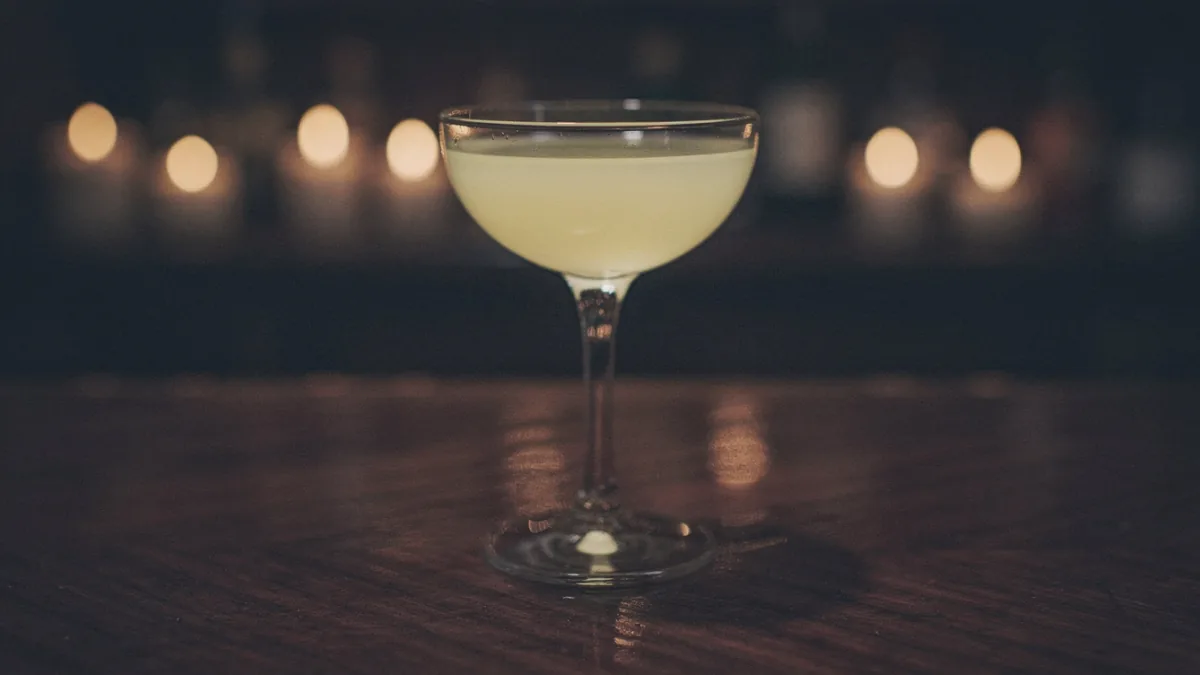
Preparation
- Chill the serving glass beforehand. Add the measured ingredients to a shaker.
- Add plenty of solid ice cubes and shake vigorously for about 10–15 seconds.
- Strain through a strainer into the chilled glass; the shaking ice stays in the shaker.
What does it taste like?
Lemon comes first, clear and sour. Right after that comes the sweetness, coming solely from the orange liqueur. Besides sugar, it also brings a distinct orange peel note that comes through clearly. The vodka has little flavor of its own; it mainly adds strength and lets the citrus lead. Overall, the drink is small, cold, and clear in flavor: sour, sweet, done. There's no bitterness, no herbal notes either. The vigorous shaking gives it a light freshness on the tongue, making it feel less austere than the ingredient list might suggest.
When does it work best?
A beginner's drink. If you've only heard about cocktails so far, this one will land well, since lemon and orange liqueur taste familiar. It suits pre-dinner moments and parties. Connoisseurs might find it too simple, but then there's nothing to figure out here. Small doesn't mean weak, though: fifty milliliters of spirit and liqueur go into the glass, with nothing added to top it up.
What matters
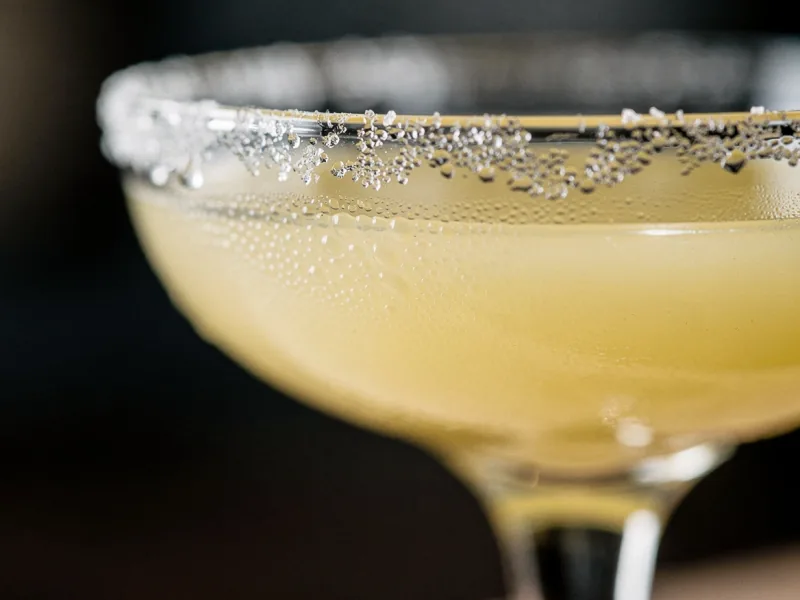
The sweetness here comes solely from the orange liqueur. If you add sugar syrup on top, you turn the drink into lemonade. Squeeze the lemon fresh—with only three ingredients, anything else stands out immediately. A sugar rim on the glass is common, but isn't part of the base recipe; it makes every sip sweeter. Shake briefly and vigorously and strain into the chilled glass.
Where the drink comes from
The Lemon Drop is traced back to Norman Jay Hobday and his bar Henry Africa's in San Francisco, in the 1970s. The version served in a cocktail glass came later, amid the vodka cocktail craze. The name recalls lemon drop candies, and that's exactly how the drink is built: sweet and sour at once. Fixed proportions aren't really part of it, though. Some recipes use more lemon, others rely on a sugar rim. The core stays the same, while the execution is a matter of taste.