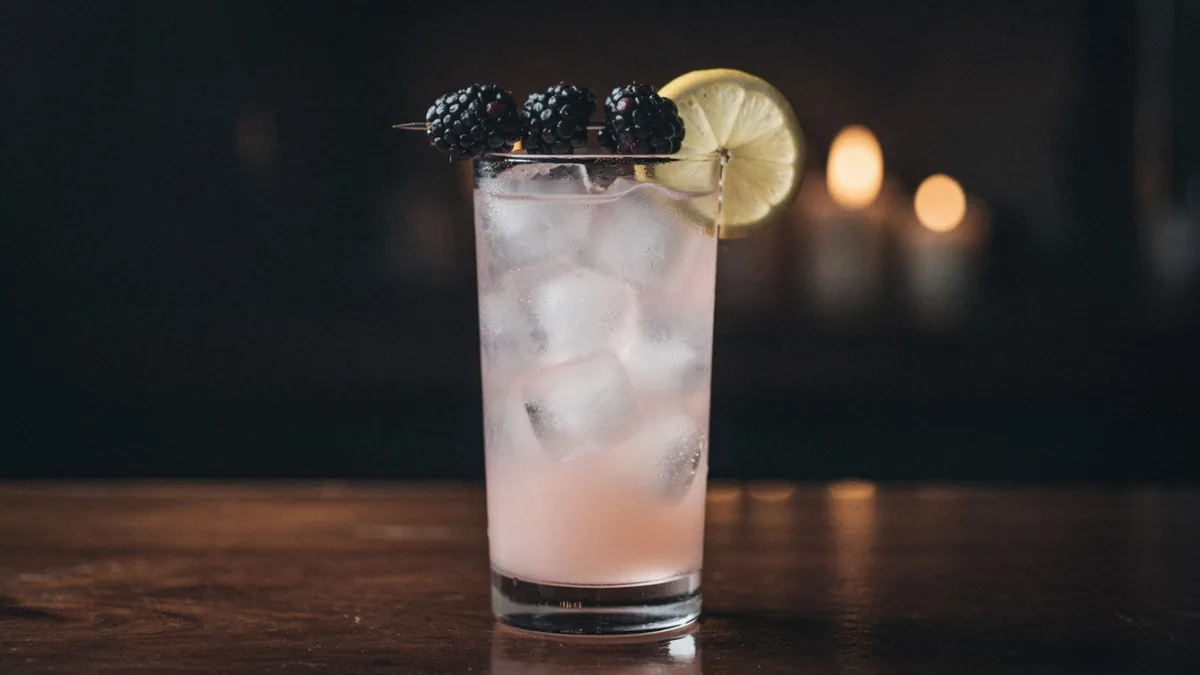
Preparation
- Shake the vodka, lemon juice, cassis and syrup with ice. Hold back the sparkling wine.
- Strain into a chilled highball glass over fresh ice.
- Top up slowly with cold sparkling wine.
- Finish with a garnish: blackberries and a lemon slice, if desired.
What does it taste like?
You'll taste dark blackcurrant first. It comes from the crème de cassis and brings plenty of sweetness with it. Against that stands 25 ml of fresh lemon juice, whose acidity is clearly noticeable. The vodka has little flavor of its own; mainly, it makes the drink stronger. You top up with sparkling wine, not water or soda. It's dry and fizzy, which keeps the punch fresh rather than syrupy. On the finish, berry and a touch of acidity linger. The glass is tall, but the alcohol content isn't low — the topping-up liquid contains some too.
When does it work best?
A drink for warm evenings, celebrations, and as a starter. It tastes fruity and light, so newcomers handle it well. That's exactly the trap: the sparkling wine brings its own alcohol, so the glass is stronger than it tastes. Serve it ice-cold. If you avoid very sweet cocktails, choose an especially dry sparkling wine.
What matters
Never shake the sparkling wine in. It only goes into the glass once everything else is already cold and strained. Pour slowly down the side, or it will foam over. How much you need depends on the glass, so no fixed amount is given in the recipe. Use a dry sparkling wine: the liqueur and syrup already bring plenty of sweetness. Fresh ice in the glass, not the shaker ice.
Where the drink comes from
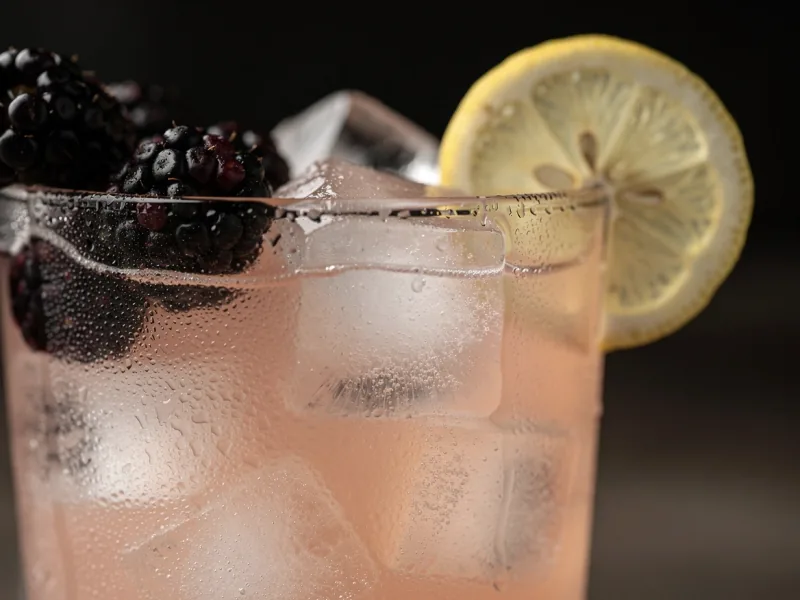
Dick Bradsell created the Russian Spring Punch in 1980s London. The idea borrows something from the Kir Royale: blackcurrant and sparkling wine belong together there. Add vodka and lemon, and serve it long, over ice. In many punches, water or juice fills the glass. Here, the sparkling wine takes on that role. The word 'punch' sounds like a light party drink. But this one carries more alcohol than the name suggests.