Preparation
- Coat the serving glass with absinthe and chill it with ice.
- Crush the sugar with the bitters in a mixing glass. Add cognac and ice, then stir until cold and the sugar is as dissolved as possible.
Images generated with AI · Text AI-assisted, editorially reviewed
Cognac · Stir
Cognac, a sugar cube and a few dashes of Peychaud's Bitters are stirred until cold. Then everything goes into a glass whose interior has been scented with absinthe. The Sazerac stays clear and strong, with no ice in the finished drink.
As of: · New Orleans
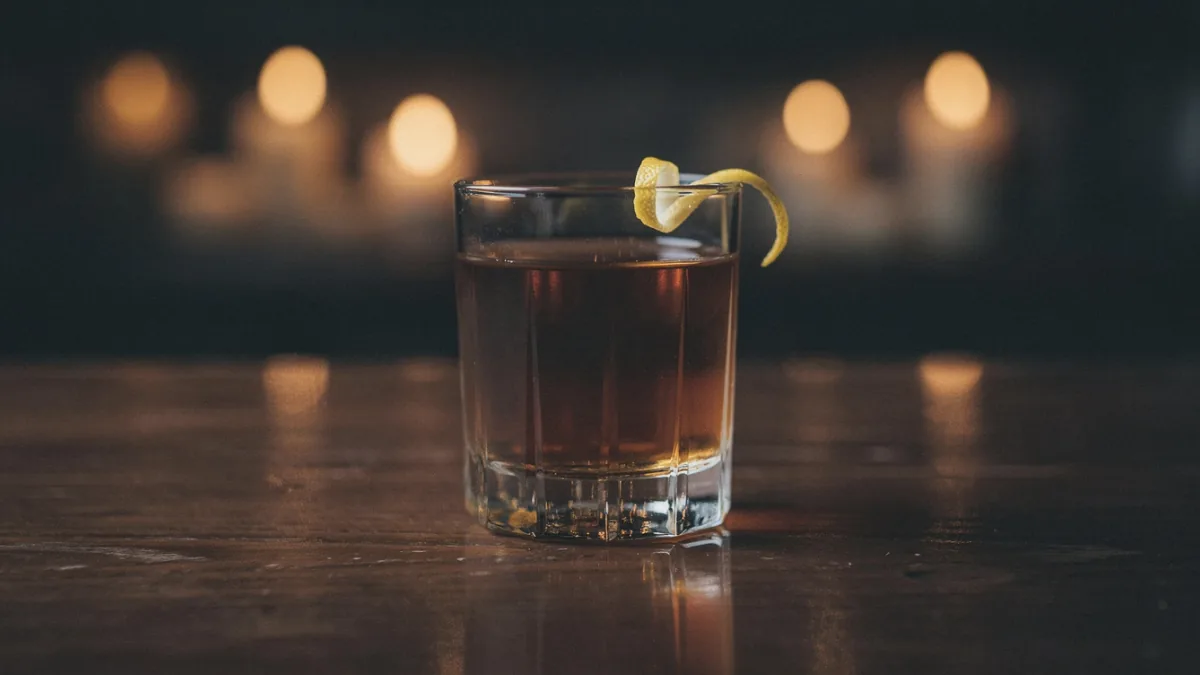
The aroma comes first. Anise from the absinthe and the oil from the lemon zest rise from the glass before you even take a sip. On the palate, the Cognac leads—50 ml of it—soft and fruity with barrel notes. A cube of sugar takes the edge off, without making the drink sweet. The Peychaud's Bitters lay down a spicy, bitter undertone. There's no ice in the glass at the end, nor juice or soda. That's why the Sazerac tastes so concentrated. It stays just as strong from the first sip to the last.
A drink for the experienced and for late evenings. The Sazerac is essentially pure spirit, seasoned only with sugar, bitters, and a whiff of anise. Newcomers often flinch at the first sip, since nothing cushions the alcohol. Anyone who enjoys Cognac or whisky neat will find an exciting change of pace here. Sip it slowly, in small mouthfuls. One is enough.
What matters
The absinthe and chilling ice must be removed from the serving glass before the cocktail goes in. Otherwise it turns watery and the anise overwhelms everything. Stir the sugar patiently until it dissolves. A half-dissolved cube will otherwise sit at the bottom later. This version uses cognac. The widely known rye versions are a variation of their own, not a mistake.
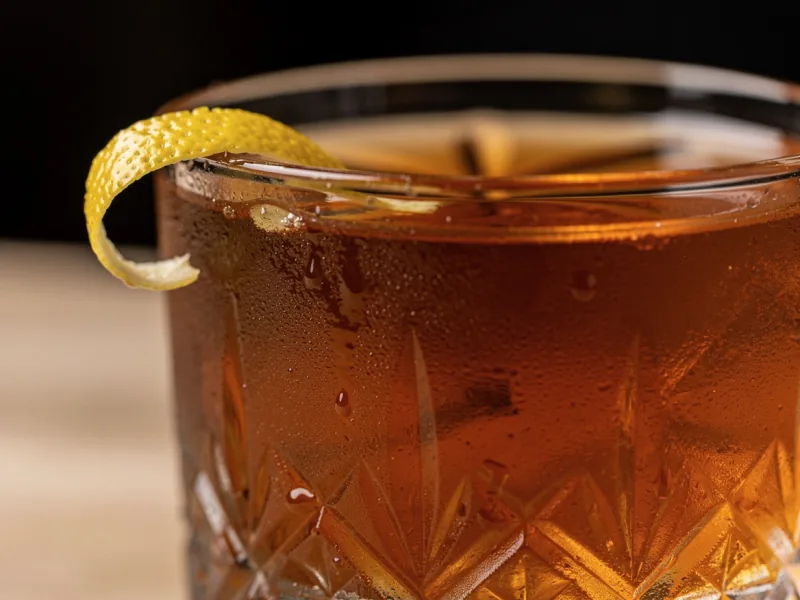
The Sazerac is deeply tied to the cocktail history of New Orleans. Old recipes feature Cognac and rye, along with absinthe and Peychaud's Bitters. The well-known origin stories are somewhat disputed. Even the tidy narrative that the drink simply switched from Cognac to rye falls short. It didn't happen in such a straightforward way. This version uses Cognac. It keeps the principle that matters most: a glass rinsed inside with absinthe, its aroma lingering long.
In the same direction
Rum and Cognac share the base, orange liqueur bridges the two, and lemon pushes back against them. Between the Sheets is a strong, dry citrus cocktail in the style of a Sidecar.
Zum RezeptBrandy with lemon, two liqueurs and bitters, served in a small stemmed glass with a sugared rim. In the Brandy Crusta, the sugar rim and the wide citrus peel are an essential part of the drink.
Zum RezeptTwo ingredients in equal parts: Cognac and Amaretto, over ice in a tumbler. The drink tastes smooth, sweet, and nutty, leaning more toward dessert territory than toward fresh citrus cocktails.
Zum Rezept