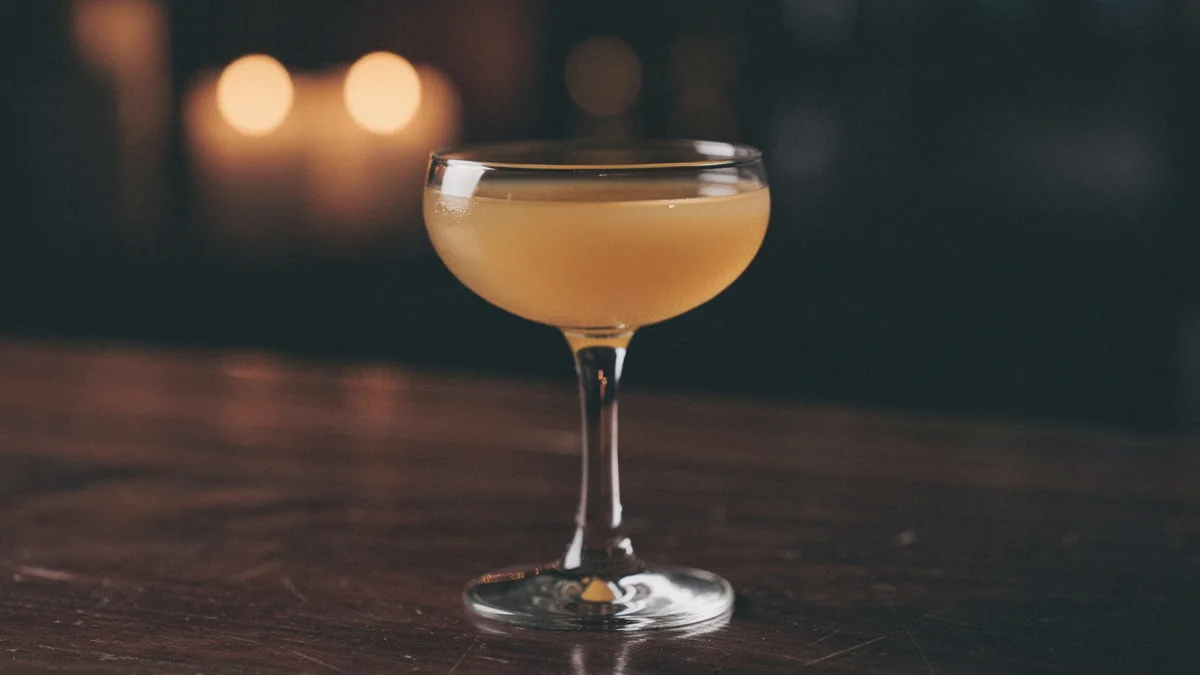
Preparation
- Chill the serving glass. Add the measured ingredients to a shaker.
- Add plenty of solid ice cubes and shake vigorously for about 10-15 seconds.
- Strain through a bar strainer into the chilled glass; the shaken ice stays in the shaker.
What does it taste like?
The first impression is acidity. Twenty milliliters of fresh lemon juice make the drink sharp and lively. Right after comes the orange liqueur, adding sweetness in an equal measure. Beneath it all sits the Cognac at 50 ml, soft, fruity, and carrying notes from the barrel. It holds the majority share in the glass and sets the base tone. There's no water or soda, only the melt water from shaking. That's why the Sidecar tastes bold, despite the lemon. What lingers at the end are orange notes and a dry, lightly bitter finish.
When does it work best?
The Sidecar suits pre-dinner drinking and early evenings. It's tart and strong, so it's not for anyone seeking a sweet cocktail. Beginners can handle it well if they enjoy lemon. Anyone who's only known Cognac neat will experience it here from a fresh angle. The portion is small, so drink it cold and promptly.
What matters
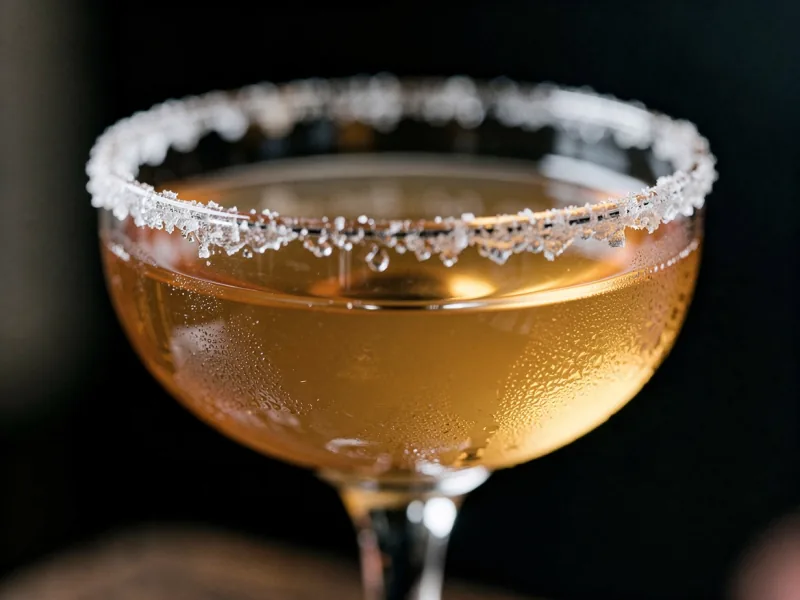
Use freshly squeezed lemon juice, not the bottled kind. With only three ingredients, the difference is immediately noticeable. Shake with plenty of solid ice for around 15 seconds, which chills the drink properly and dilutes it just right. A sugar rim is often seen, though this recipe doesn't call for one. Try the balance of Cognac, liqueur, and juice first before changing anything.
Where the drink comes from
Printed recipes for the Sidecar have existed since 1922. Bars in both London and Paris are linked to its creation, along with several bartenders. Who truly mixed it first remains unclear. A popular tale involves a guest who arrived at the bar in a motorcycle's sidecar. It's unverified and remains a legend rather than fact. What is certain, though, is its construction: brandy, orange liqueur, and lemon. You'll find this same trio echoed in a whole string of later classics.