Modern botanicals
Flowers and herbs
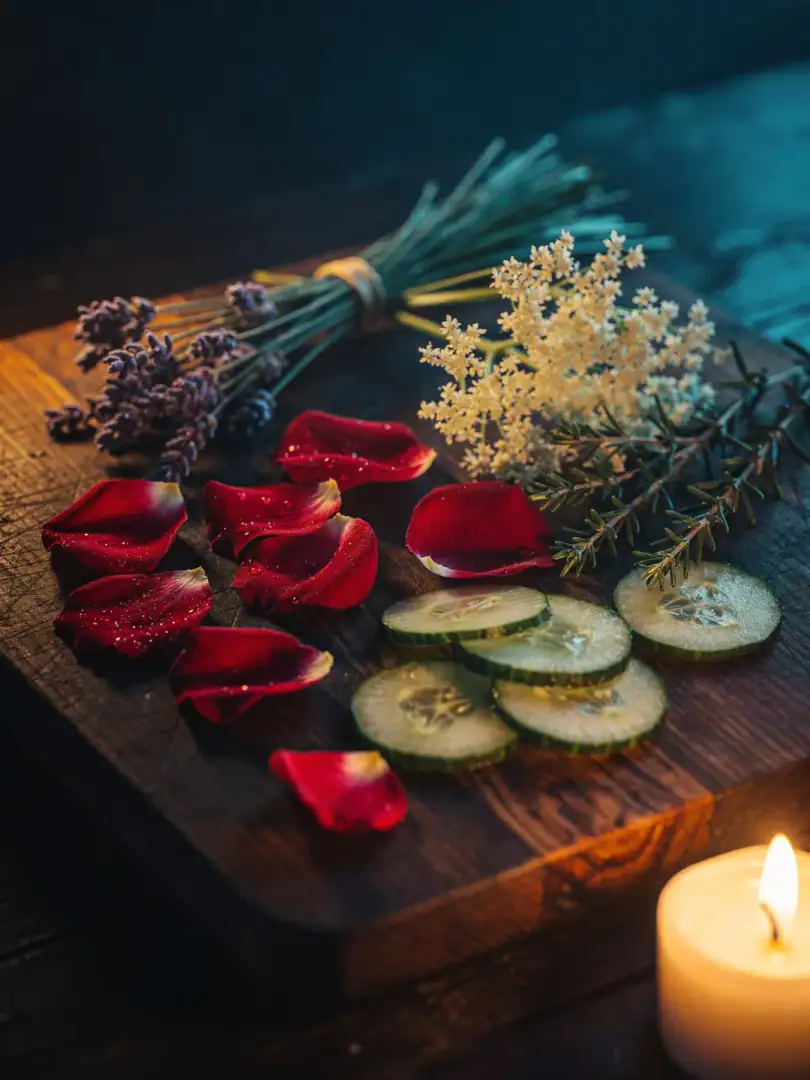
Rose, lavender, elderflower, rosemary, thyme and cucumber represent a younger wave of gin that moves away from the classic spice cabinet. These botanicals make recipes more floral, green or fresh, appealing to drinkers seeking a milder gin than the heavy styles of the 19th century.
How do flowers change the character of a gin?
Rose petals and elderflower are among the most popular floral botanicals. Rose petals bring a perfumed, slightly sweet aroma that feels elegant in small doses but quickly tastes soapy in large amounts, overwhelming the rest of the recipe — which is why distillers usually dose it drop by drop across multiple test batches. Elderflower, by contrast, smells brighter and more honeyed, with a slight hint of lychee.
Lavender is the strongest of these florals and is therefore usually used sparingly. Its intense, herbaceous-floral aroma can dominate an entire gin, which is why distillers often use it only as a small accent alongside citrus or juniper, rather than putting it center stage. A single petal too many can tip an entire recipe toward soapiness — a flaw experienced tasters spot immediately.
Which herbs pair well with gin?
Rosemary and thyme come from Mediterranean cuisine and bring a resinous, green, slightly camphor-like note to a recipe that pairs well with juniper, since both plants share similar essential oils. Just a few sprigs can noticeably shift a gin's aroma toward garden and forest.
Unlike most other botanicals, herbs such as rosemary and thyme are often used fresh rather than dried, because their aroma fades faster during drying than that of hard seeds or roots. This makes them more delicate to work with, but also more expressive, and requires distilleries to maintain a reliable, fresh supply chain — often with their own small herb gardens right next to the distillery.
Why is cucumber considered a gin botanical?
Cucumber holds a special place among these ingredients: it contributes hardly any strong flavor compounds and mainly delivers a cool, watery freshness. In many modern recipes it is therefore not distilled at all, but added afterward as a flavor extract or infusion, creating a refreshing undertone that blends well with floral botanicals and gives recipes featuring rose or elderflower extra lightness.
This approach shows just how open the gin category has become. As long as juniper remains the dominant flavor, EU regulations allow practically any additional ingredient — from traditional spices to unusual additions like cucumber, which no one would have associated with gin just a few decades ago.
Who are floral and herbal gins made for?
Floral and herb-forward gins often appeal to people who don't connect with heavy, very juniper-forward styles. Their milder, brighter flavor profile makes them more approachable, especially for drinkers new to the world of gin or those who prefer light cocktails over neat tastings.
At the same time, these botanicals demand particular finesse from distillers. Floral and herbal aromas are more volatile and delicate than roots or spices, which means even small differences in quantity can shift the entire character of a gin — often more dramatically than with sturdier ingredients like cinnamon or angelica root.
Rose petals for gin often come from Bulgaria. The Rose Valley near Kazanlak is famous for this. Lavender thrives especially in Provence, where it blooms across vast purple fields. Elderflower is usually gathered in Central Europe, often straight from wild shrubs along the roadside. Rosemary and thyme frequently come from Spain or Italy. Both herbs tolerate dry conditions well. Cucumbers for gin infusions, by contrast, usually come from regional farms. They are processed fresh, not dried. These varied origins show just how far modern gin recipes travel before they come together in the glass. Each ingredient carries its own little climate with it.