Sweet Relatives
Sloe Gin & Liqueur
Sloe Gin, Pink Gin, and gin liqueur sound similar but are three different things. All bring more sweetness and color to the table than classic gin.
What Is Sloe Gin?
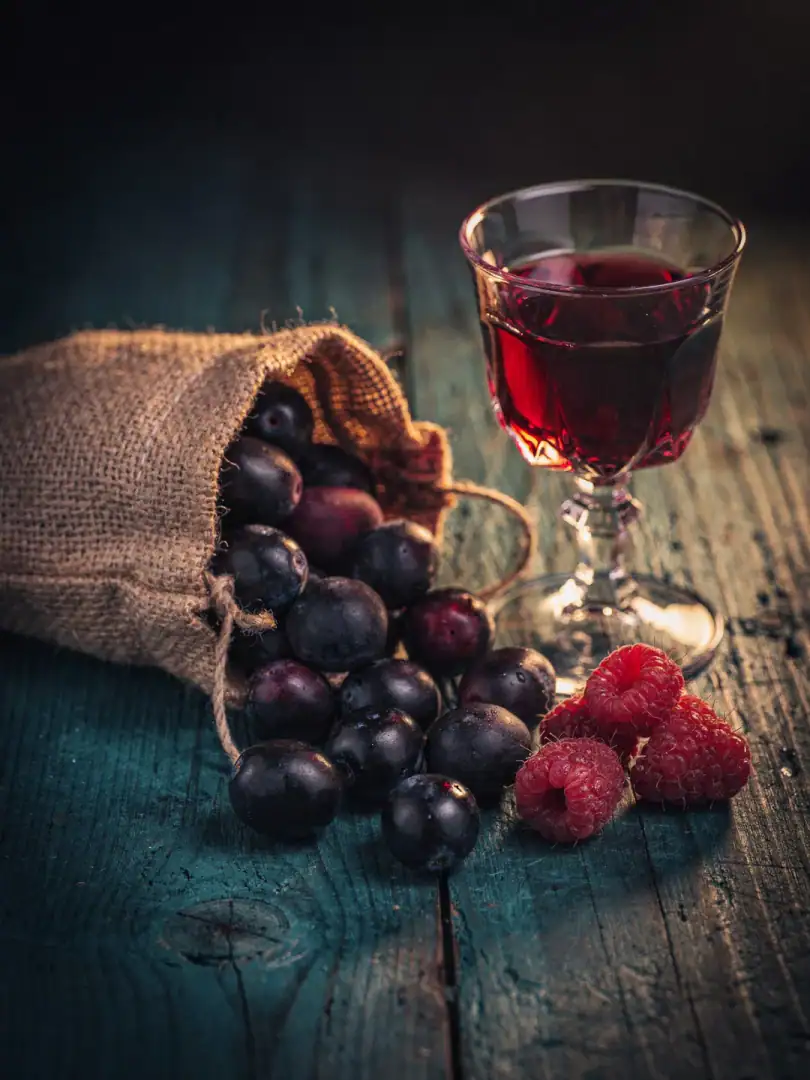
Sloe Gin is made by steeping gin with sloes for weeks, the small, tart fruits of the blackthorn, along with sugar. The fruit lends a deep red color and a tart, fruity, slightly almond-like flavor, while the sugar balances the natural tartness of the sloes. Legally, Sloe Gin counts as a juniper spirit with added fruit and, under EU spirits regulation, requires a minimum of 25% ABV, notably lower than the minimum required for gin itself. Traditionally, British households made their own Sloe Gin in autumn, once the sloes had ripened after the first frost.
The taste falls somewhere between fruity liqueur and gin: sweet and berry-like on the first sip, with a drier, juniper-driven note on the finish. This makes Sloe Gin a drink in its own right, enjoyable neat, on ice, or in simple long drinks.
Since raw sloes taste very tart and astringent, it's only the weeks-long steeping in gin that makes them palatable. Some homemade recipes add a touch of almond flavoring or a fruit stone to intensify the slightly bitter-almond note that many consider typical of a good Sloe Gin. After the steeping period, the spent fruit is strained out, leaving a clear, deep red liquid free of fruit pieces in the bottle.
What Is Pink Gin?
Originally, Pink Gin referred to a cocktail, not a spirit in its own right: classic gin, usually Plymouth Gin, with a few dashes of Angostura bitters, which turned the mixture slightly pink. British naval officers in the 19th century drank this combination because the bitters were originally intended as a stomach remedy, and the gin made them more palatable.
The Pink Gin sold today is usually something different: a ready-bottled gin or gin liqueur flavored with red berries like strawberry or raspberry, often with a visibly pink color. This modern version is noticeably sweeter and fruitier than the historic bitters cocktail and appeals to a broader audience less focused on classic drinks.
This double meaning occasionally causes confusion at the bar. Anyone thinking of the historic Pink Gin should specifically ask for gin with Angostura bitters, since a modern bottle bearing the same name delivers a completely different, much sweeter product.
Gin Liqueur and the Differences at a Glance
Gin liqueur is the umbrella term for sweetened, flavored products based on gin, which include both Sloe Gin and modern Pink Gin in the broader sense. Liqueurs usually have a lower alcohol content than gin itself and are permitted to contain significantly more sugar, since they're legally classified as liqueurs rather than juniper spirits. In terms of flavor, fruit and sweetness clearly take center stage, with juniper often appearing only as a quiet undertone.
The practical difference for buyers: Sloe Gin is a traditional, legally well-defined category with a minimum alcohol content. Pink Gin historically refers to a cocktail, but today usually means a ready-made, fruity-sweet product. Gin liqueur is the broadest term and includes both, plus many other fruit and herbal liqueurs based on gin that don't have to follow any strict standard.
When buying, it's worth checking the alcohol content and ingredient list. A product with well under 25% ABV and a lot of sugar is almost certainly a liqueur rather than a juniper spirit in the legal sense. Anyone specifically looking for one of these three categories should go by the name, but also by these details on the label, otherwise the wrong bottle can easily end up in the shopping basket even though the name sounded familiar.