Why Neat Comes First
Tasting Gin Neat
Anyone who really wants to get to know a gin tastes it neat first. Tonic, ice, and lime mask a lot — neat reveals what's actually in the bottle.
Why the First Taste Should Be Without Tonic
Tonic water brings its own sweetness, bitterness, and carbonation. This changes the taste of the gin so drastically that in the end you often end up judging the tonic rather than the spirit. If you buy a new gin and mix it with tonic right away, you won't know afterward whether the juniper was mild or bold, whether citrus plays a role, or whether the alcohol feels harsh. Tasting it neat filters all of that out.
This is especially true when comparing two gins. If you mix both with the same tonic, the differences often blur, because the tonic takes over most of the flavor profile. Only tasting neat shows which gin has more citrus, which tastes earthier, and which lingers longer on the palate. This order — neat first, then in a mix — is why bartenders and tasters never pour a new bottle straight into a cocktail.
The Process of a Simple Tasting
A simple tasting doesn't require expertise, just a bit of calm. Pour a small amount — about two centiliters — into a glass, look at the color, smell it without burying your nose too deep in the glass, then take a small sip. Let the sip sit briefly in your mouth before swallowing. Afterward, pause for a moment and notice what lingers in the finish: does the juniper persist, does sharpness follow, or does it turn neutral quickly?
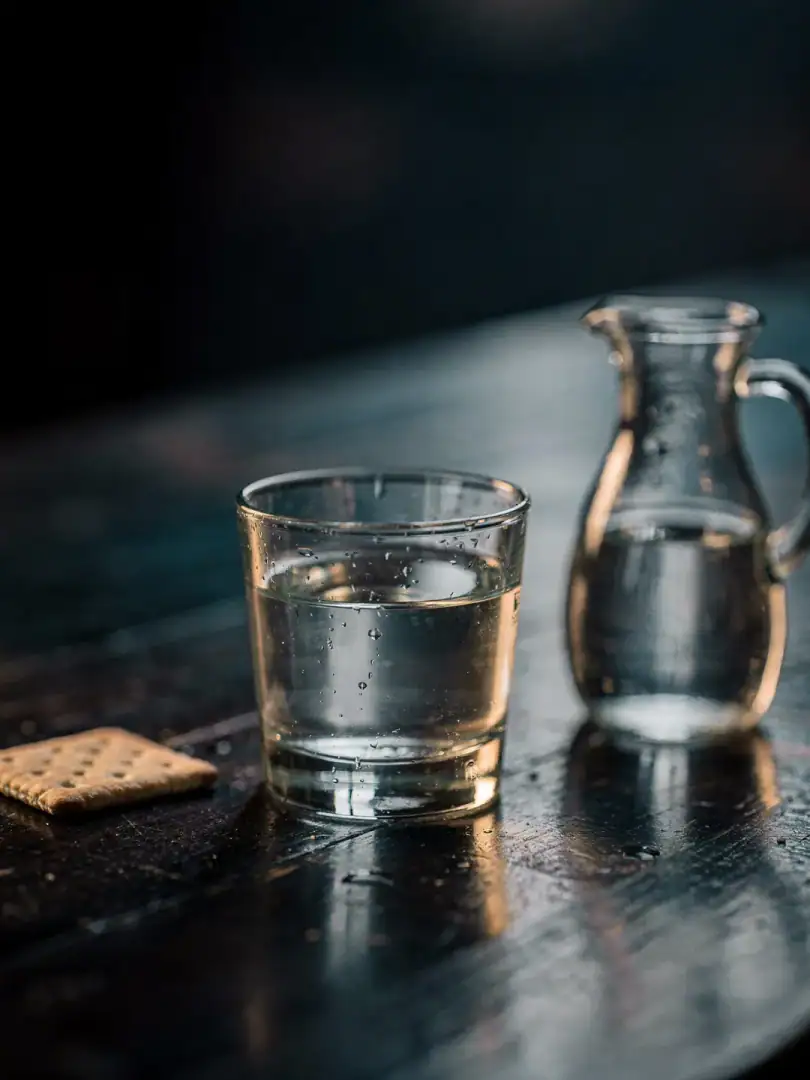
It's important to drink some water between samples and, if possible, eat a piece of bread or a neutral cracker. This resets the palate and prevents flavors from the previous sample from lingering. If you're testing several gins in a row, it also helps to follow a fixed order — from milder to bolder gins — so a strong gin doesn't overshadow the finer nuances of the next one. This turns a casual sip into a tasting that actually reveals something about the gin.
What to Note During the First Taste
It's worth jotting down your first impressions, even if it's just a few keywords. How strong is the juniper? Does citrus appear immediately, or only after a moment? Does the gin feel sweet, earthy, or sharp? These notes will help later, when you mix the gin with tonic or compare it to other bottles, since the pure impression fades quickly otherwise.
It's also a good habit to keep the alcohol content in mind. Under EU Spirit Drinks Regulation (EU) 2019/787, gin must have a minimum ABV of 37.5%, though many bottles sit at 40% to 45% ABV or higher. A higher alcohol content often makes the gin sharper and more intense, which changes how the aromas come across. Knowing this helps you interpret the first taste correctly and avoid being misled by pure alcohol bite.
How Often to Re-Taste
A single tasting is rarely enough to form a solid judgment. Your own sense of taste fluctuates from day to day, depending on tiredness, what you ate beforehand, or even the time of day. What tastes clearly of citrus in the morning might come across quite differently in the evening after a spicy meal. If you really want to assess a gin, taste it on several different days, in a calm state, and without strong influence from other drinks or food beforehand.
This is especially true for new brands you're considering buying. A second, independent tasting confirms or challenges your first impression. If the key points align both times — juniper intensity, citrus level, sharpness — you can trust your own judgment. If the impressions differ significantly, it's worth a third attempt before forming a final opinion about the bottle. This turns a spontaneous impression into a reliable picture.