Light, Spanish
Rum Style
The rum from Chichigalpa belongs, like Nicaraguan rum in general, to the Spanish style — a category of rums distilled from molasses in columns, producing a light flavor profile. This group includes rums from Cuba, Puerto Rico, the Dominican Republic, Venezuela, Panama, and Guatemala. The term isn't a legal designation but an industry classification.
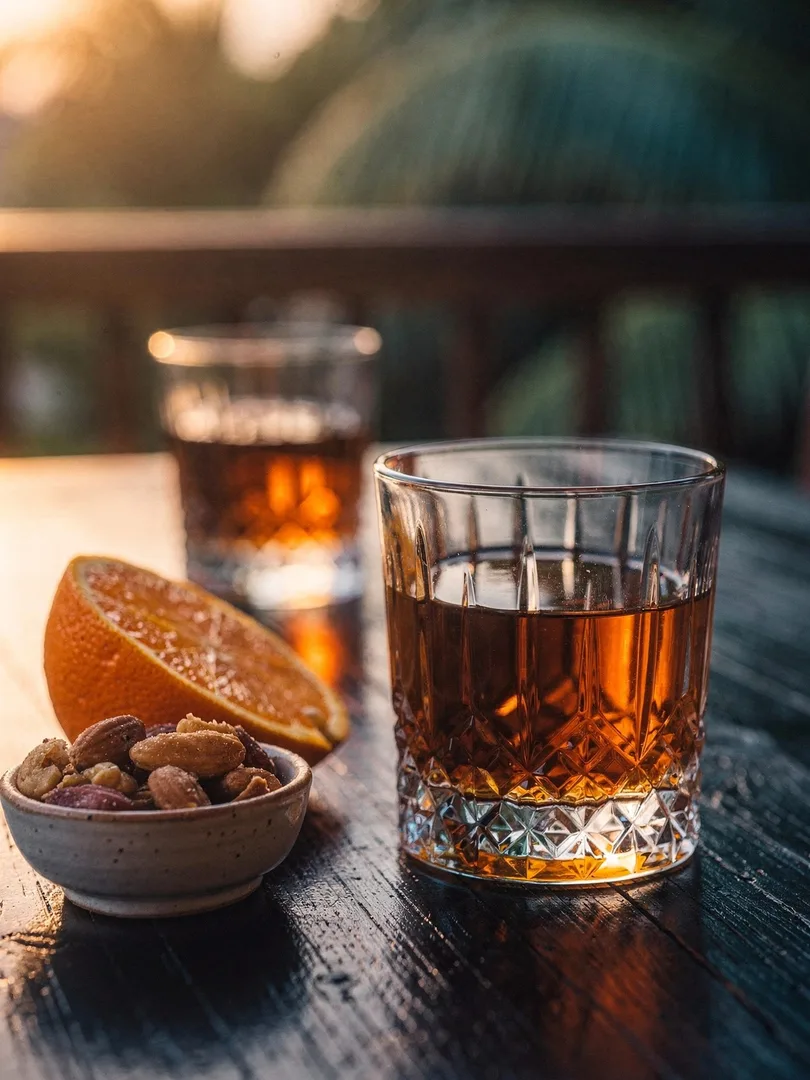
Molasses, short fermentation, and column distillation form the foundation. The result is a lean distillate, which the cask and blending then shape into the final rum. In the glass, it tastes round, smooth, and lightly sweet, with vanilla and caramel. It's designed to please without rough edges: a rum equally suited to mixed drinks and sipping neat.
It's far removed from the Jamaican style with its pot still and high ester content: there, you pick up banana, pineapple, and glue; here, it's mostly wood and burnt sugar. What sets it apart from rhum agricole, which comes from fresh cane juice and tastes grassy, is the raw material. And neighboring Guatemala uses reduced cane juice, essentially a syrup, rather than molasses, for its best-known rum.
Unlike Jamaica, no designation of origin rule here bans sweetening. In the EU, up to 20 grams of sugar per liter are permitted, and the sugar content doesn't have to appear on the label. Flor de Caña states that it adds neither sugar nor additives after distillation. For other brands, only lab analysis reveals whether a rum has been sweetened.
The profile below sums up the style. The aging range is wide — at Flor de Caña, according to the house, from four to 25 years — and as the age increases, the flavor shifts from fresh sweetness toward wood, roasted notes, and dried fruit.
Nicaragua, Spanish StyleMolasses · Column still
- Alcohol
- 40 % vol
- Cask ageing
- 4–25 Years
Light, round, and smooth: vanilla, caramel, roasted notes, with more wood and dried fruit as it ages.