In the Glass
Tasting
What does Flor de Caña taste like? A younger rum from the brand smells light and sweet, often with notes of vanilla, caramel, and a touch of orange peel, and stays smooth and short on the palate. The older bottlings turn darker and drier, with wood, roasted notes, and dried fruit.
Four bottles from the same distillery make for a good comparison: the Añejo Clásico as the youngest expression, the Gran Reserva 7, the Centenario 12, and the 18-year bottling. All come from Chichigalpa, so the influence of aging can be tasted clearly, since the raw material and distillate remain unchanged.
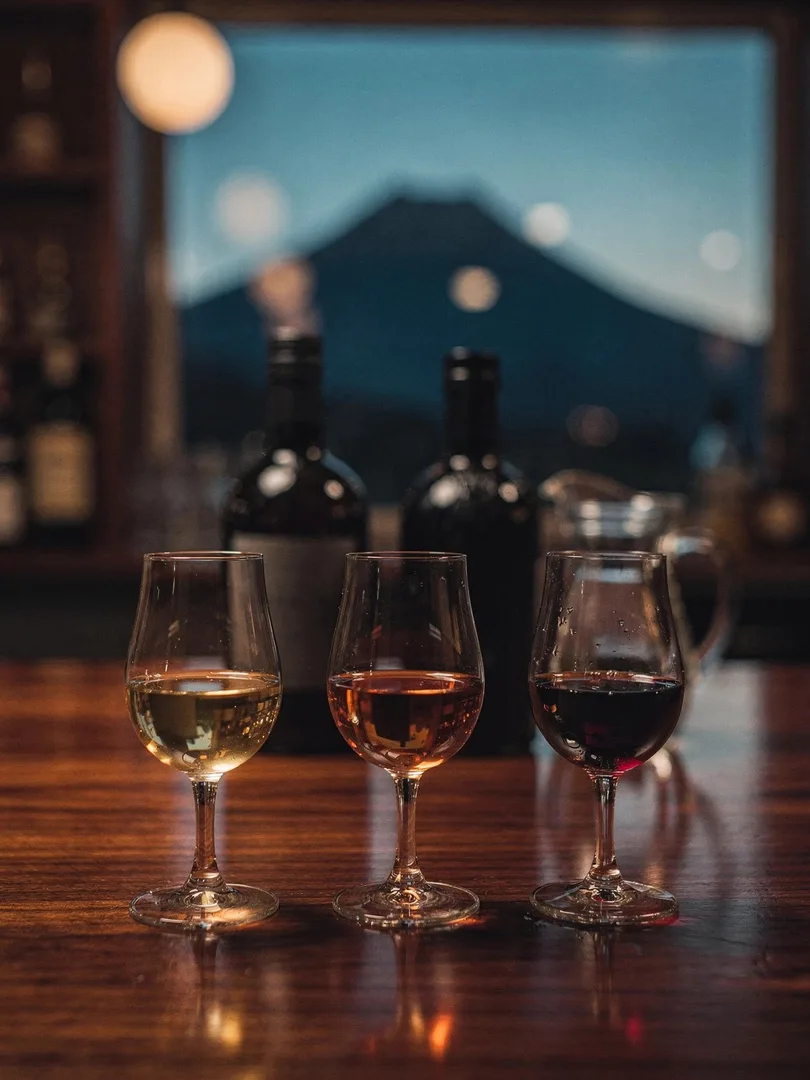
A nosing glass or a small tulip glass holds the aromas together, while a wide tumbler lets them escape more quickly. Rum shows its aromas most clearly at room temperature. Served too cold, the sweetness disappears and the wood comes through harshly.
First look at the color, then briefly nose the glass without pushing your nose too deep in, since the alcohol can numb your senses. A first small sip helps you adjust; only the second reveals sweetness, wood, and finish. A darker color doesn't automatically mean older, since in the EU, color can be adjusted with caramel coloring.
Neat or with a few drops of water? At 40% ABV, water is rarely necessary, since Flor de Caña is usually bottled at this strength. Water tends to open up cask-strength rums instead. It's worth comparing two rums back to back, from younger to older, then checking the number on the label.