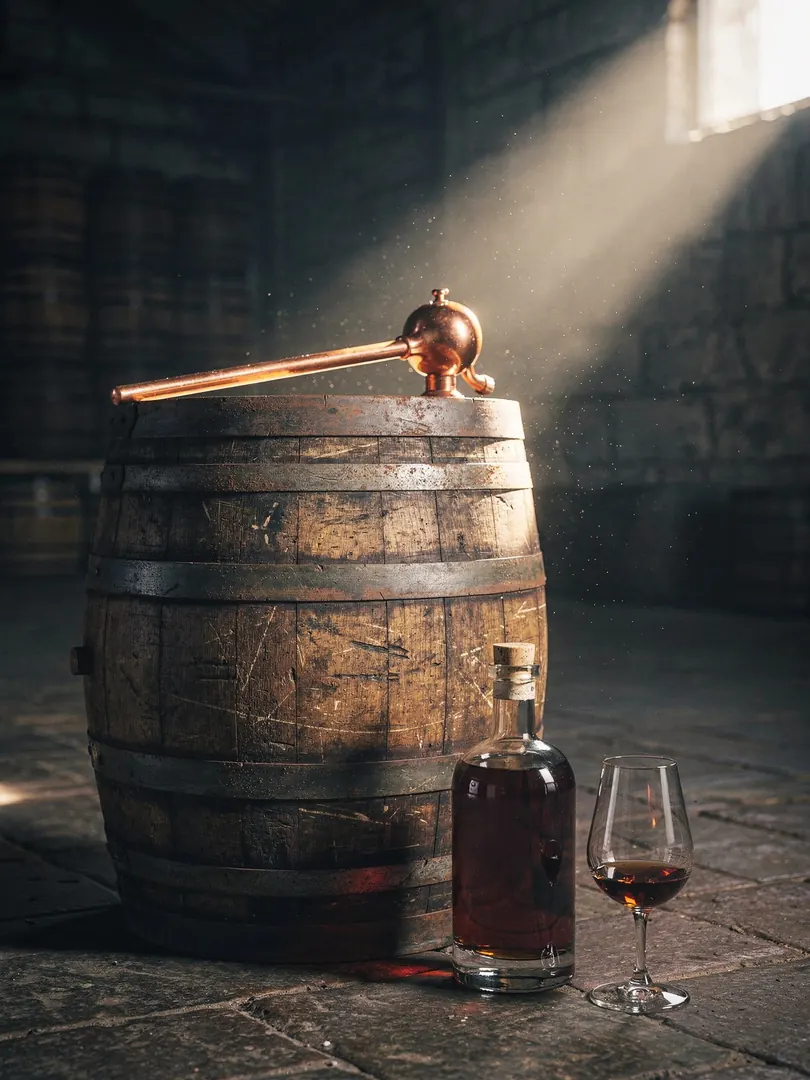
A Label for Connoisseurs
Vintage, Single Cask, Cask Strength: Rum Terms for Collectors
A vintage rum comes from a single distillation year, a Single Cask from a single barrel, and cask strength means the rum was bottled without the addition of water. Of these, only the vintage is strictly regulated, and even then only for certain origins such as Martinique and Madeira.
What Does a Vintage on a Rum Bottle Mean?
Unlike wine, a rum vintage doesn't refer to the harvest but usually to the year of distillation. Often the bottling year appears alongside it. Together, the two dates reveal the time spent in cask. A bottle labeled 2006 and 2017 contains rum that aged for roughly eleven years.
The strictest rules apply under AOC Martinique. A vintage there, called millésime, is permitted only for Rhum vieux aged at least six years in oak casks under 650 liters. For rum da Madeira, a vintage may appear on the label only if the rum comes entirely from that single year.
A vintage doesn't automatically make a bottle better. But it does make it traceable. Comparing two vintages from the same distillery reveals how weather, raw materials, and casks shift slightly from year to year.
Single Cask and Small Batch: What's Behind Them?
Single Cask means the contents of a bottling come from exactly one barrel. The label often states the cask number and the number of bottles produced. Because every cask ages differently, each such bottling tastes unique. Once the cask is empty, that particular rum is gone for good.
Small Batch means a blend from just a handful of casks. Both terms are trade expressions without any standardized definition. How small a “small batch” actually is remains entirely up to the bottler. Only a label with specific, concrete details builds real trust.
Many Single Casks come from independent bottlers. They purchase casks from distilleries and bottle them under their own name. Collectors particularly prize details like origin, distillery, still type, and where the cask was aged. Velier, for instance, teamed up with Dutch bottler Scheer to release comparison sets featuring tropically and continentally aged rum from the same origin.
Cask Strength: Why Some Rums Top 60 Percent
Most rums are brought down to drinking strength with water after maturation, often to 40 percent. Cask strength, also called Full Proof, means no water has been added. The alcohol content is exactly what the cask held at the end of maturation—this could be 50 percent, but it might also exceed 65 percent.
Cask strength, too, is a trade term. The law only requires that the stated alcohol content be accurate. The appeal lies in the full, unaltered aroma, since water changes the flavor profile. When tasting such rums, it's best to add a few drops of water directly to the glass and work your way in gradually.
The figure on the label also tells a story about the warehouse. A tropically aged cask in a humid coastal warehouse tends to lose alcohol strength over the years, while a cask stored in a hot, dry attic can actually gain strength. Two Single Casks of the same vintage can therefore differ by several percentage points. Cask strength shouldn't be confused with overproof. Overproof refers to a very high-strength rum that can also be unaged and deliberately bottled at high proof.
What Collectors Look for on a Rum Label
A good collector's label reveals a lot. This includes the distillery and country, the years of distillation and bottling, cask type and cask number, the still, and the location of maturation. Some labels also state whether the rum is unsweetened and uncolored. The more information provided, the easier it is to place a bottle in context.
One example of highly sought-after old stock is Caroni from Trinidad. The distillery closed in 2002, so every bottling today comes from old casks. Stories like this drive demand for bottles. Whether they actually taste good is decided solely by the glass. Price appreciation is never guaranteed.
Anyone wanting to keep bottles should store them upright, cool, and in the dark. Unlike in the cask, rum doesn't continue to mature in the bottle. A 2010 vintage bottled in 2020 remains a ten-year-old rum, even if it sits in the cabinet for another twenty years.