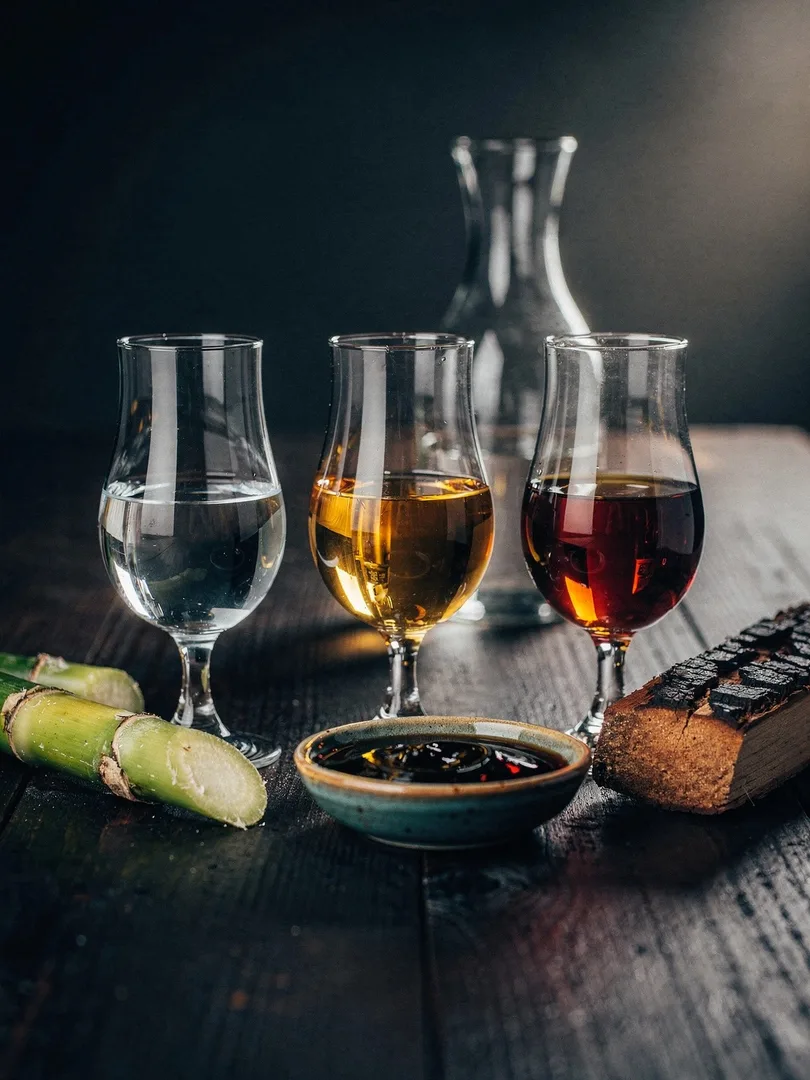
The way in
First steps: which rums to try first?
For getting started, it's best to first try a well-balanced, aged molasses rum—say, from Barbados—then a Rhum Agricole made from cane juice, and after that a Jamaican rum. A direct comparison teaches you faster than a single bottle ever could about how raw material, still and cask shape a rum.
Why comparison is the best way to learn about rum
A single rum doesn't tell you much. You might like it or not, but you won't know why. Only alongside a second one does what makes it distinctive become clear. That's why it pays to work with two or three small samples from the start, rather than one big bottle. Sample bottles or an evening at a bar with a good selection are ideal for this.
The guiding thread for the first few weeks is rum's three great divides: molasses or juice, pot still or column, short or long aging. Once you've tasted these three axes, you can roughly place almost any rum. The section on styles shows how to recognize them.
The first rum: balanced, aged, unsweetened
A good starting point is an aged Barbados rum at 40 to 43 percent. Distilleries there blend pot still and column still distillate, and the result shows vanilla and coconut from the cask, mild banana, and a touch of spice. It's neither extreme nor boring, and later serves as a useful reference point.
Many beginners first gravitate toward heavily sweetened rums, because they taste soft and approachable. That's no crime, but it is a detour. Sugar masks the distillate, and once you get used to it, unsweetened rums can initially taste harsh by comparison. It's worth setting an unsweetened rum alongside early on.
The second step: Rhum Agricole versus molasses rum
Next comes the biggest contrast: a Rhum Agricole made from fresh sugarcane juice. It's best to take two—a blanc and an aged vieux from Martinique. The blanc smells of grass, pepper and sugarcane. The vieux shows how the cask transforms these base notes without masking them.
Next to the Barbados rum, it now becomes clear what the raw material contributes. Molasses rum is round and caramel-like, juice rum is green and dry. If you find agricole too intense neat, try it the way it's drunk in the Antilles: in a Ti' Punch with lime and a little cane sugar.
The third step: Jamaica and Demerara
Next come the heavy molasses styles. A Jamaican pot still rum shows what long fermentation and esters produce: banana, pineapple, glue, all bold and dry. A Demerara rum from Guyana brings dark notes of licorice, brown sugar and wood. Both are unfamiliar at first, but they're among the most aromatic rums there are.
For getting started, moderate ester levels and bottlings around 40 to 46 percent are plenty. The extreme high-ester brands and cask-strength bottlings aren't going anywhere.
A good rhythm is one or two new rums per week, each paired with a familiar one. That keeps the comparison fresh, and your notes gradually grow into your own personal map. Looking back after a few weeks, a direction often emerges: some people gravitate toward green juice rums, others toward fruity Jamaicans or dark Guyana rums. This preference is the best compass for your next purchase—better than any ranking.
What you can skip at the start
Overproof rums at 60 percent and above are meant for mixed drinks and will overwhelm any untrained palate neat. Spiced rum and flavored rum-based spirits teach you little about rum, since spices and flavorings mask the distillate. And very old, expensive bottles only reveal their worth once you already know younger rums.
Anyone who's gone through these three steps now has a framework. With a bit of practice, you'll be able to taste whether a rum is molasses- or juice-based, and whether it comes from a pot still or a column. Opened bottles keep well for a long time if stored upright and in the dark—details are in the encyclopedia entry on storing rum.