Reading the Label
Grappa Giovane, Invecchiata, Riserva, Monovitigno: The Styles
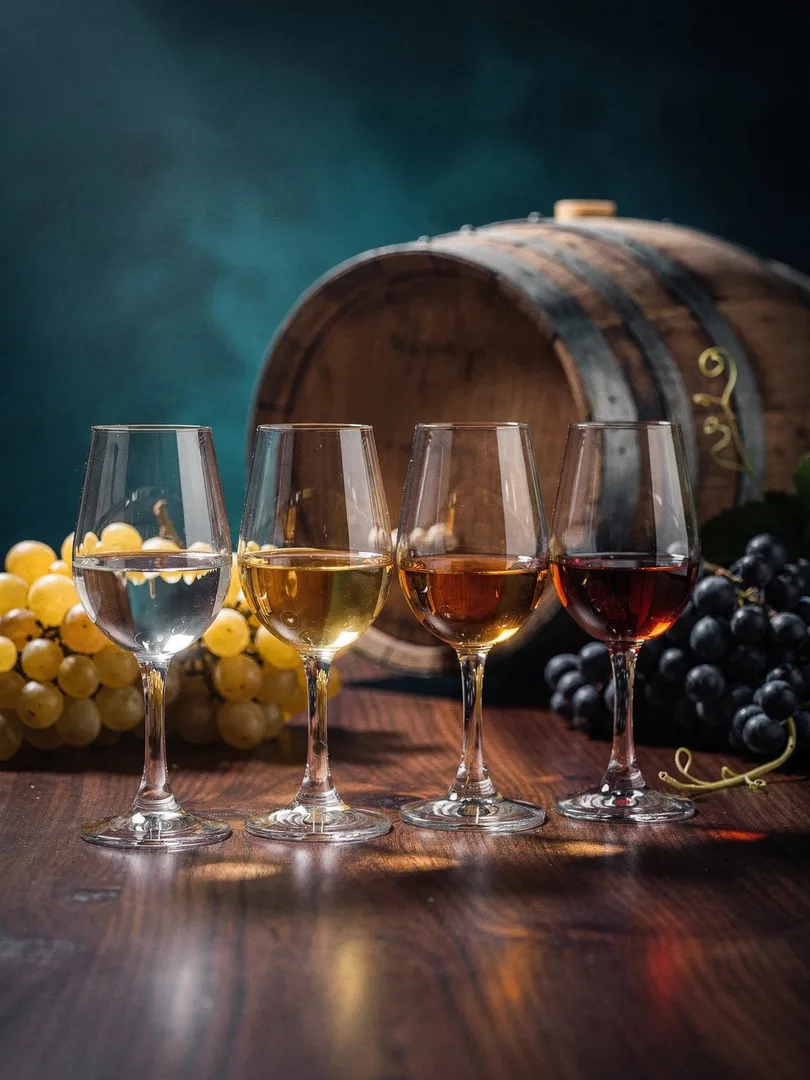
Grappa giovane is young and clear, with no wood aging. Invecchiata or vecchia has spent at least 12 months in wood, while riserva or stravecchia requires at least 18 months. Monovitigno means it's made predominantly from the pomace of a single grape variety. The first single-varietal Grappa was distilled by Nonino in 1973 from Picolit.
Grappa Giovane and Aromatica: Young, Clear, True to the Grape
Most Grappas served after meals in Italy are young ones. Giovane, meaning young, or bianca, white, appears on such bottles. After distilling, they rest in glass or stainless steel, never touching wood, and so remain colorless. In the glass, they reveal what the pomace brought with it: grape skin, fresh hay, sometimes almond or pear, along with a pronounced bite of alcohol.
Grappa is classed as aromatica when made from the pomace of highly fragrant grape varieties. These include Moscato, Traminer, or Malvasia, whose skins carry especially strong floral aromatic compounds. A young Moscato Grappa often smells so distinctly of roses and fresh grapes that newcomers assume it's been sweetened. Usually, it hasn't been—that's simply the grape variety speaking.
Grappa Invecchiata and Riserva: What 12 and 18 Months Mean
Amber-colored Grappa has spent time in wood, and Italy sets fixed minimum periods for this. A Grappa may be labeled "vecchia" or "invecchiata", meaning aged, once it has matured at least 12 months in wooden casks. For "riserva" or "stravecchia", at least 18 months are required. The aging period in wood is tracked under bonded customs supervision, meaning under official control, so the claim remains verifiable.
The choice of wood is more open than with Cognac. Besides oak, other types of wood are also used in Italy, and many producers note the cask or its prior contents on the label—casks that previously held wine, for instance. The wood softens the alcohol's sharp edge, bringing vanilla, spice, and dried fruit, and darkens the color.
Long wood aging isn't proof of quality on its own. An aromatic Grappa made from Moscato can easily lose in the barrel exactly what makes it special. That's why the most fragrant Grappas are often kept young, while robust pomace from red grape varieties like Nebbiolo tends to handle wood aging well.
What Does Monovitigno Mean? Single-Varietal Grappa Explained
For a long time, Grappa was distilled from mixed pomace, gathered from many different cellars. That changed in Friuli. On 1 December 1973, Benito and Giannola Nonino in Percoto distilled, for the first time, the pomace of a single grape variety separately: Picolit, a rare native white grape. This Grappa Monovitigno Picolit is considered the first single-varietal Grappa. The Nonino distillery has existed since 1897; Benito Nonino passed away in 2024.
Today, many labels read 'monovitigno,' meaning a single grape variety. If a grappa names a grape variety, Italian rules require that the pomace come predominantly from that variety; other varieties are allowed only up to 15% by weight. The counterpart is called polivitigno: pomace from several varieties, deliberately blended to achieve a well-rounded overall profile.
Many single-variety grappas come from Piedmont in particular. There, Bocchino in Canelli has been distilling Moscato pomace since 1898, Berta in Mombaruzzo since 1947, and Marolo near Alba since 1977. Nebbiolo, the grape of Barolo, yields powerful grappas often aged in wood, while Moscato and Brachetto produce fragrant young ones. Anyone who tastes different grape varieties side by side quickly understands why the pomace of a single variety reveals so much about the spirit.
Reading a grappa label: what the details reveal
Standing in front of the shelf, you can learn a lot from just a few terms. The sales designation 'Grappa' indicates that the pomace comes from Italy. A regional designation such as Grappa trentina or Grappa friulana narrows down the origin further. The age statement reveals whether and how long the grappa rested in wood, while the grape variety shows what it was distilled from.
Words like 'morbida,' meaning soft, or references to special handcrafting are less meaningful. They describe a style but aren't protected quality tiers. A reliable sign of quality is a clearly stated origin: grape variety, region, distillery, and, for aged grappas, the maturation period.