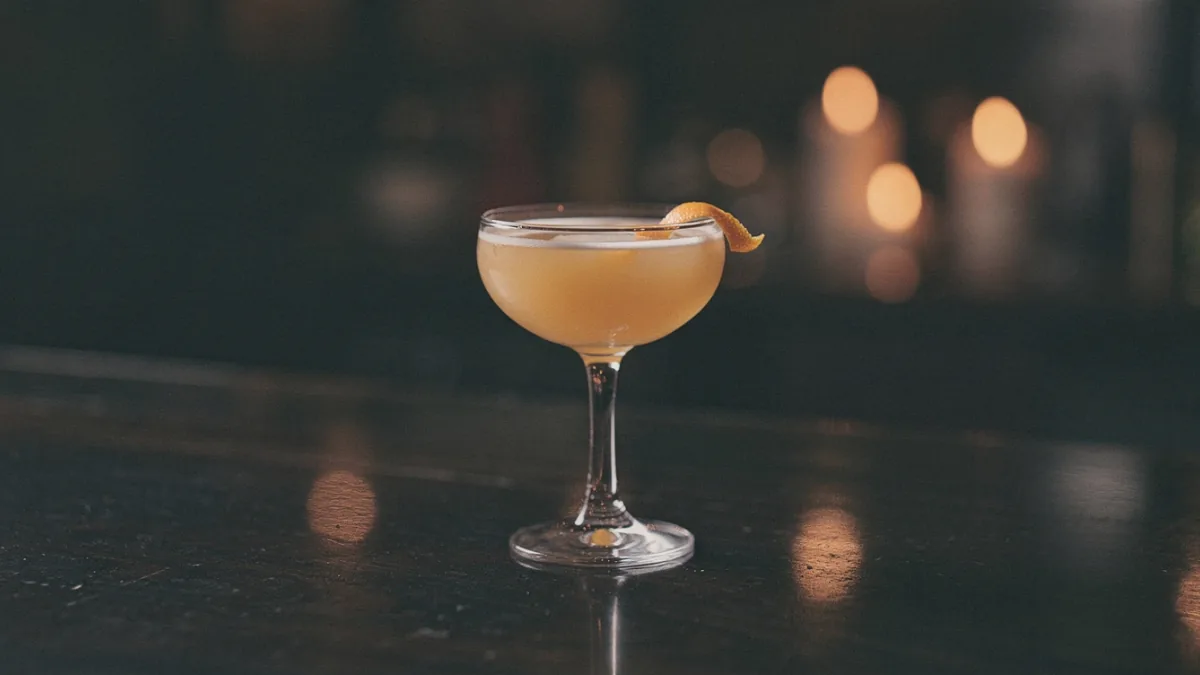
Preparation
- Stir the honey syrup together with the lemon and orange juice in the shaker. Add the gin.
- Add plenty of ice and shake vigorously.
- Strain into a chilled cocktail glass, without the shaking ice.
- Garnish to finish: lemon or orange zest, if desired.
What does it taste like?
The honey stands out immediately. It tastes different from sugar—rounder and slightly floral—and lingers longer on the palate. Lemon makes the drink sour, while orange adds a milder, fruitier acidity alongside it. Together they create a soft sourness that never bites too hard. Underneath sits the gin with its juniper and botanicals. Nearly half the liquid is juice, so the cocktail feels approachable rather than heavy. Still, it's strong, since gin is the largest single measure in the glass. Served without ice, the drink stays clear and clean.
When does it work best?
The Bee's Knees is a good entry point into gin cocktails. Honey takes the edge off the acidity, and nothing here tastes bitter. It suits the early evening best, or a warm day. Anyone who's found gin too harsh before should start right here. Before a meal it stirs the appetite; after a heavy meal it can quickly taste too sweet.
What matters
Pure honey barely dissolves in cold juice and settles as a lump at the bottom of the shaker. That's why the recipe calls for honey syrup—honey stirred smooth with a bit of warm water. Mix it first with the lemon and orange, then add the gin. This version includes orange; leave it out, and the drink tastes noticeably sharper and more sour.
Where the drink comes from
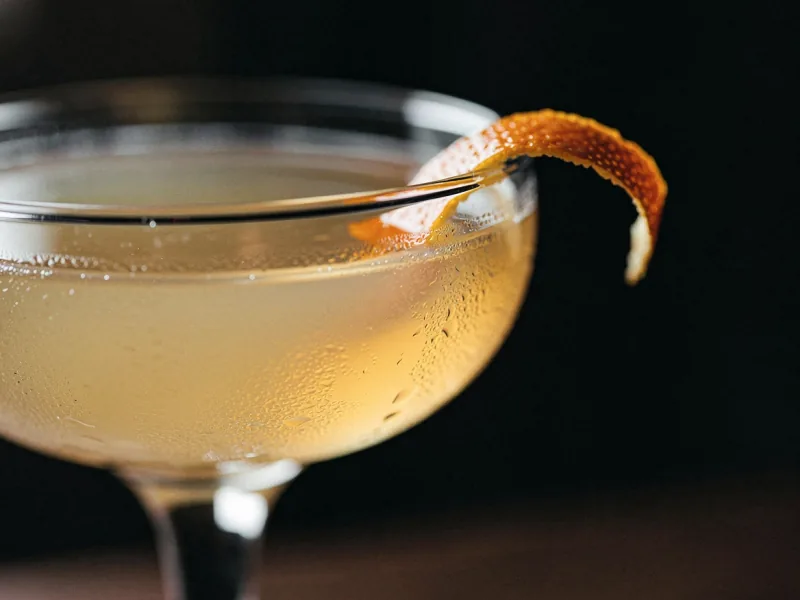
The Bee's Knees is often said to come from the American Prohibition era, supposedly meant to mask poor-quality gin. It's not that simple. Contemporary evidence also points to Paris and names different originators than this popular story suggests. What's certain, above all, is the underlying principle: the sweetness comes from honey, not ordinary sugar. That's still the drink's defining feature today. There's no single definitive recipe either—the version shown here adds orange, while other well-known versions stick to gin, lemon and honey.