Skip to content
Gustofolio
Knowledge HubProducersMeet & TasteEvents
CaptureCollectionTasteEnjoyShare
Roadmap
Knowledge HubProducersMeet & TasteEvents
CaptureCollectionTasteEnjoyShare
Beta roadmapCreate account
Legal NoticePrivacy
ENSign inCreate account
Drinks EncyclopediaLexiconKnowledge JourneysJourneysTopic WorldsTopicsAll ArticlesArticlesCocktail RecipesCocktailsRecipes with drinksRecipes
Encyclopedia/Cocktails

Vodka · Shaken

Espresso Martini

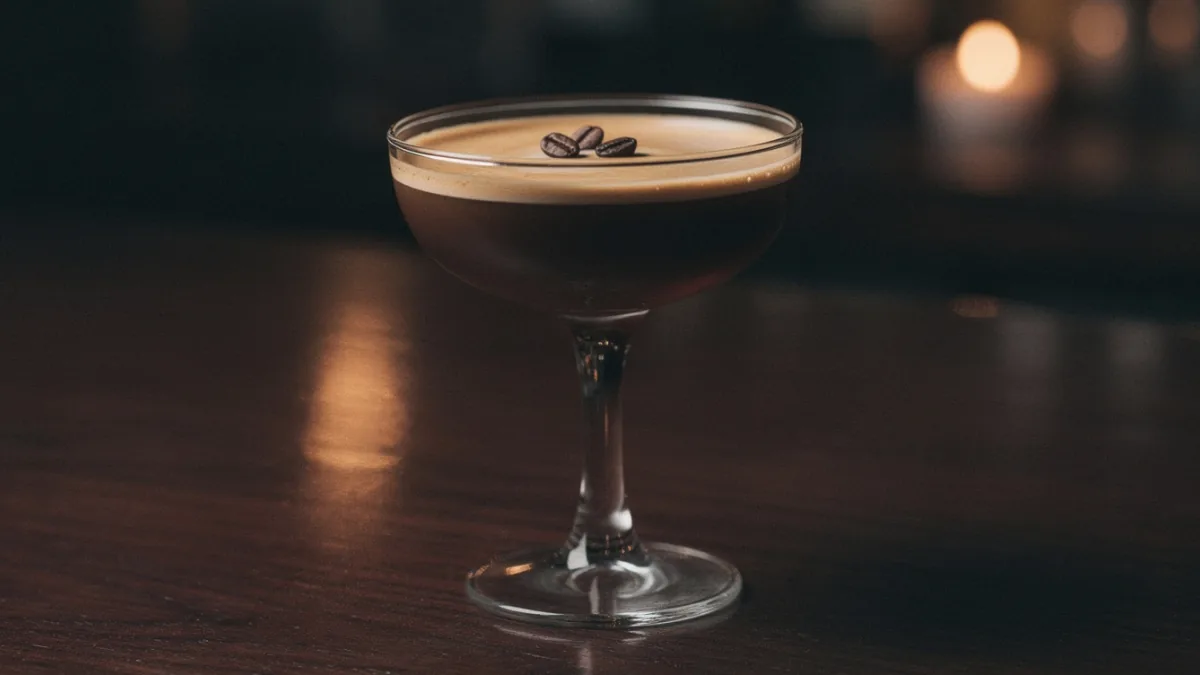
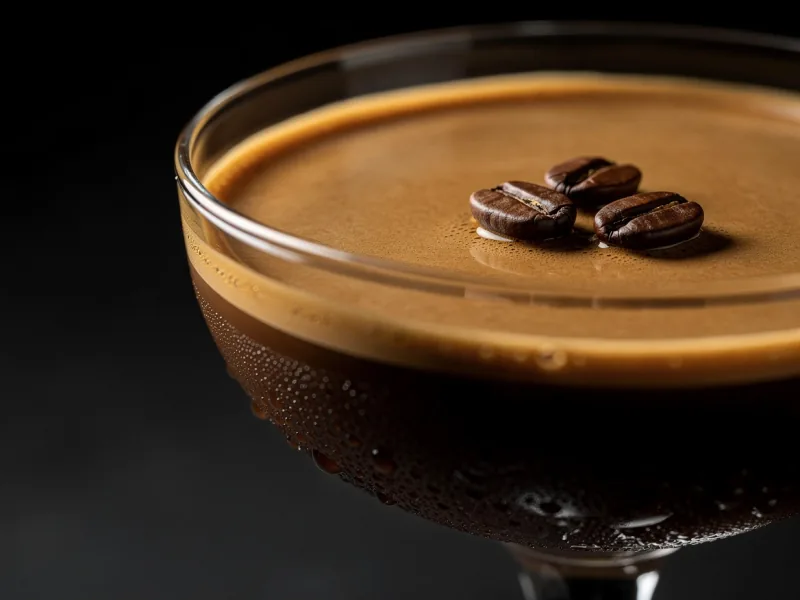
Fresh espresso, vodka, coffee liqueur, and a touch of sugar syrup, shaken hard. On top sits a fine layer of brown foam, crowned with three coffee beans. Aside from the glass, this drink has nothing in common with the classic gin-and-vermouth Martini.

As of: 17. September 2026 · London, 1980s

Espresso Martini im Cocktail coupe

Ingredients

  • 50 mlVodka
  • 30 mlCoffee liqueur
  • 10 mlSugar syrup
  • 1 Servingstrong espresso
Glass
Cocktail coupe
Method
Shaken
Garnish
3 coffee beans
Taste
coffee, sweet
Calories
approx. 230 kcal per drink

How do you like the recipe?

4.7 · 7 ratings

  • Anne · September 2026

    Für mich sitzt die Balance genau zwischen röstig und samtig und etwas mehr Wucht.

  • Katharina · September 2026

    Der Wodka wirkt nach dem ersten Schluck fast stärker als beim Nachtrinken.

  • Ben · September 2026

    Ich hätte nicht gedacht, dass Wodka so gut mit Espresso und Kaffeelikör funktioniert.

  • Samuel · September 2026

    Ich war bei Espresso und Kaffeelikör erst skeptisch, aber das funktioniert.

  • Kathrin · September 2026

    Der Wodka ist direkt da, aber Espresso und Kaffeelikör bleibt trotzdem schön im Hintergrund.

  • Noah · September 2026

    Ich finde den Drink ziemlich stimmig, nur am Ende fehlt mir etwas. Gerade Wodka macht ihn für mich interessant.

  • Mats · September 2026

    Die Aromen von Espresso und Kaffeelikör bleiben angenehm auf der Zunge.

Preparation

  1. Prepare a small, strong espresso and let it cool briefly. Chill the serving glass.
  2. Shake the espresso, vodka, coffee liqueur, and syrup very vigorously with plenty of solid ice cubes.
  3. Strain into the glass through a bar strainer and let the foam crown settle briefly.
  4. Finish by garnishing: 3 coffee beans.

What does it taste like?

The first impression is coffee, richly roasted and slightly bitter. Right after that comes the sweetness from the coffee liqueur and the 10 milliliters of syrup. Together, these round out the drink without turning it into a dessert. The vodka contributes little flavor of its own, but plenty of punch: 50 milliliters is a hefty measure. The foam crown, formed purely through vigorous shaking, ensures the first sip glides smoothly across the tongue. In the finish, the roasted bitterness lingers, similar to a strong espresso without milk.

When does it work best?

This cocktail belongs at the end of the evening, after dinner or in place of dessert. Coffee drinkers get it immediately, even without cocktail experience. Sweetness and roasted notes mask the alcohol well, though it's still strong. Anyone who avoids coffee in the evening should keep in mind: espresso is still espresso. And anyone who simply doesn't like coffee won't find happiness here, since coffee is the entire point.

What matters

The espresso needs to be fresh and should cool briefly before going into the shaker. Piping hot, it melts the ice instantly and the drink turns watery. Cold coffee from the day before, on the other hand, won't produce any foam. Shake really hard afterward, until the shaker fogs up on the outside: the crown forms purely from the air you beat into the drink. Stirring won't do it.
Espresso Martini — detail

Where the drink comes from

Dick Bradsell mixed the precursor to this drink in London in the 1980s. Back then it was called the Vodka Espresso. Later, the trend arose of serving vodka cocktails in martini glasses, and the name shifted along with it. Part of this story is the often-told tale of a model's order at the bar. Who this was supposed to be has never been reliably established. So the story remains an anecdote. The character of the drink is explained far better by fresh coffee and vigorous shaking than by any celebrity legend anyway.

Related knowledge

  • What Is Vodka? Raw Materials, Flavor, and Cocktails
  • Cocktail Balance: Sweetness, Acidity, Bitterness, Dilution

In the same direction

You might enjoy this too.

  • Black Russian

    Vodka and coffee liqueur over ice—that's all the Black Russian is. It tastes dark and coffee-forward, carries noticeable sweetness, and comes entirely without cream.

    To the recipe ↗
  • French Martini

    Vodka, raspberry liqueur, and fresh pineapple juice, shaken vigorously. The drink arrives fruity and mellow in the glass, topped with a fine foam cap from the pineapple. Vermouth or gin, as in the classic Martini, are nowhere to be found here.

    To the recipe ↗
  • Long Island Iced Tea

    Four spirits and an orange liqueur in the same glass, plus lemon, sugar syrup, and a splash of cola. There's no tea in it: the name comes from the color. A long drink that's much stronger than it tastes.

    To the recipe ↗

What's in your bar?

With Gustofolio, you keep track of which bottles you have — and what becomes of them.

Discover Gustofolio ↗

Images generated with AI · Text AI-assisted, editorially reviewed

Gustofolio
Drinks EncyclopediaCocktail RecipesRecipesProducersTastings near youEventsWine App GuideBeer App GuideWhisky App GuideTasting App GuideBeta RoadmapPrivacy PolicyTerms of UseLegal NoticeContact

May we measure which areas get used?

With Google Analytics and a cookie, without the contents of your collection. You can change this anytime. Privacy policy