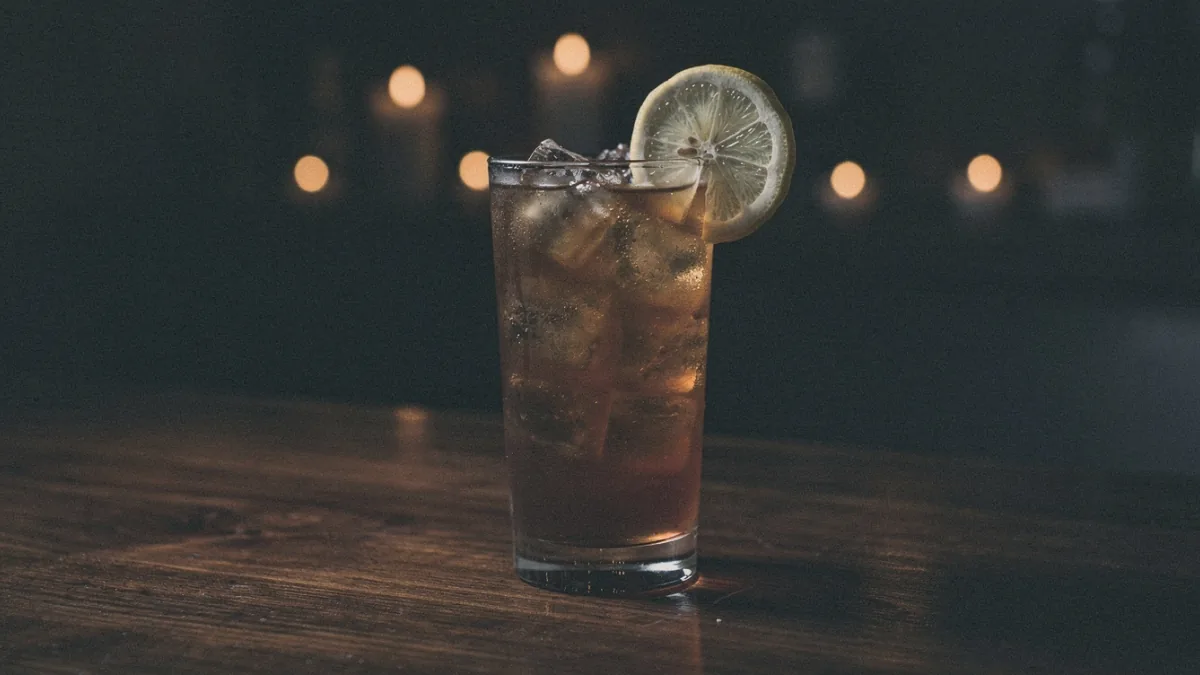
Preparation
- Fill the serving glass with solid ice cubes.
- Add the measured ingredients. The cola goes in last and is poured slowly to preserve the carbonation.
- Stir gently until the ingredients combine. For top-up ingredients, leave a little room for the garnish.
- Finish with a garnish: lemon slice, if desired.
What does it taste like?
You mostly taste lemon and cola. The sugar syrup makes it distinctly sweet, while the lemon pushes back against it. Among the individual spirits, hardly any stand out on their own. Vodka, tequila, rum and gin each make up only fifteen milliliters in the glass. That's exactly what makes the drink dangerous. Together, that's five alcoholic ingredients, and you don't taste it. The cola brings carbonation and caramel sweetness, while the ice chills and dilutes. Freshly made, it tastes like a strong, very sweet lemonade.
When does it work best?
A party drink, not an aperitif. It tastes sweet and harmless, which is why many people underestimate it. Beginners often like it but should stick to just one. If you're after dry drinks, this isn't for you. It doesn't pair well with food, as it's too sweet for that. Best enjoyed slowly, with plenty of ice and plenty of time.
What matters
The biggest mistake is thinking this drink is light. Five alcoholic ingredients add up, and the lemon and cola just mask that. So use a really large glass and fill it completely with ice, or the drink will turn warm and even sweeter. The cola goes in last, and only as a small finishing touch, not half a glass. Squeeze the lemon fresh — it's the only counterweight to the syrup.
Where the drink comes from
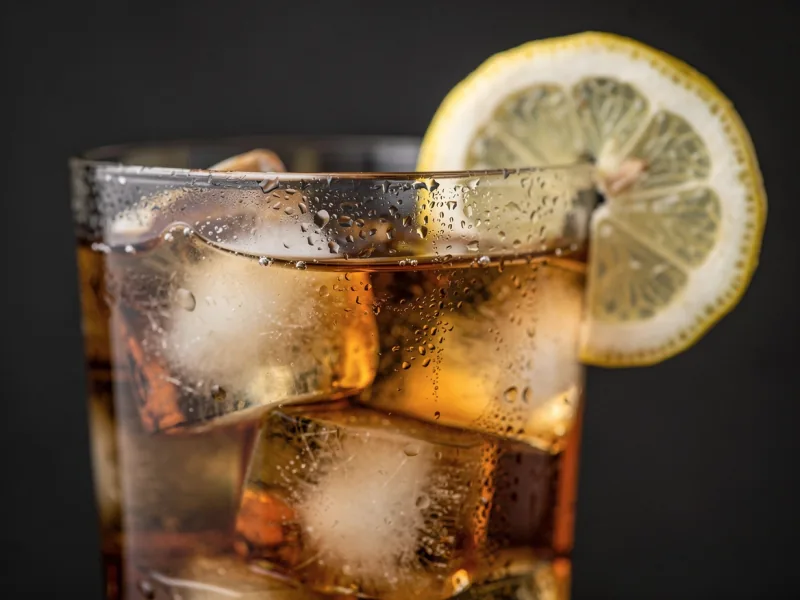
One well-known attribution credits Robert Butt and the Oak Beach Inn on Long Island in the 1970s. Other accounts contradict this, so there's no confirmed invention date. What is certain is where the name comes from: the finished mix looks like iced tea. In the following decades, the drink made a career in bars and at parties. To this day, it stands for long, sweet mixes where you can't taste the alcohol.
Related knowledge
- What Is Vodka? Raw Materials, Flavor, and Cocktails
- Tequila and Mezcal: What's the Difference?
- Rum for beginners: Finding your taste, understanding labels, mixing the right way
- What is gin? Juniper and countless possible flavors
- Understanding cocktails: sweetness, acidity, bitterness, and dilution
- Gin for beginners: finding your flavor, dialing in your Gin & Tonic, mixing cocktails