Preparation
- Fill the serving glass with solid ice cubes.
- Add the measured ingredients.
- Stir gently until the ingredients combine. If topping up with an ingredient, leave a little room for the garnish.
Images generated with AI · Text AI-assisted, editorially reviewed
Liqueur · Built in the glass
Campari and freshly squeezed orange juice over ice, that's all there is to it. The long drink glows orange-red and tastes bitter and fruity at once. Whip the juice up until airy and the drink turns soft and creamy.
As of: · Italian aperitivo culture
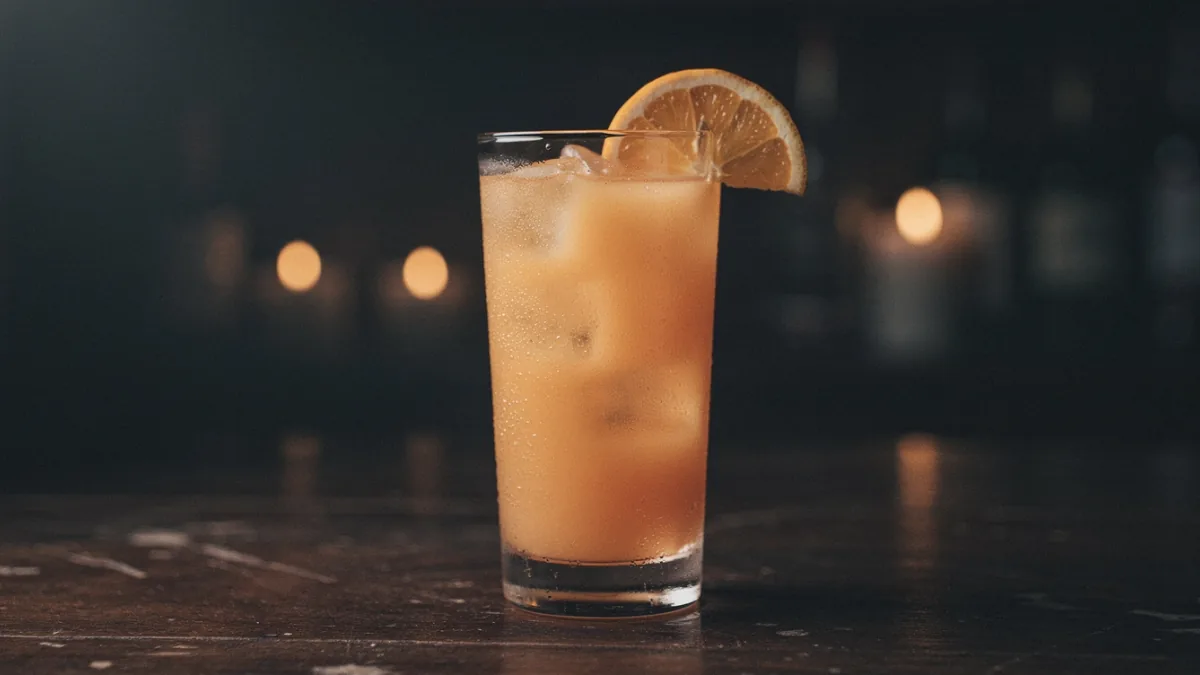
The first sip is bitter and fruity at the same time. Campari brings the bitterness and a strong herbal note, while the orange juice lays sweetness and acidity over the top. With 120 milliliters of juice to 45 milliliters of Campari, the fruit clearly dominates, with the bitterness sitting behind it and only coming through again in the finish. No extra sugar is added; both the orange and the Campari bring their own sweetness. That's why the taste shifts with the fruit: ripe oranges make the drink softer, very sour ones make it sharper. Whipped juice settles as a fine foam on the tongue and further softens the bitterness.
The Garibaldi is an aperitif and belongs at the start of the evening. It's built light: plenty of juice, little alcohol, plus lots of ice. Beginners find it easier to handle than a straight bitter aperitivo, since the orange takes away some of the sharp edge. Anyone who dislikes bitterness altogether still won't love it. For everyone else, it's one of the easiest ways into the world of bitter drinks.
What matters
The juice has to be freshly squeezed, anything else tastes like it came from a can. Whip it up briefly before pouring, either with a shaker (no ice) or a small milk frother. This gives the drink a creamy head and makes it feel softer, even though nothing changes about the ingredients themselves. You don't need sugar, the orange brings enough on its own. Fill the glass to the top with ice, otherwise the drink warms up fast.
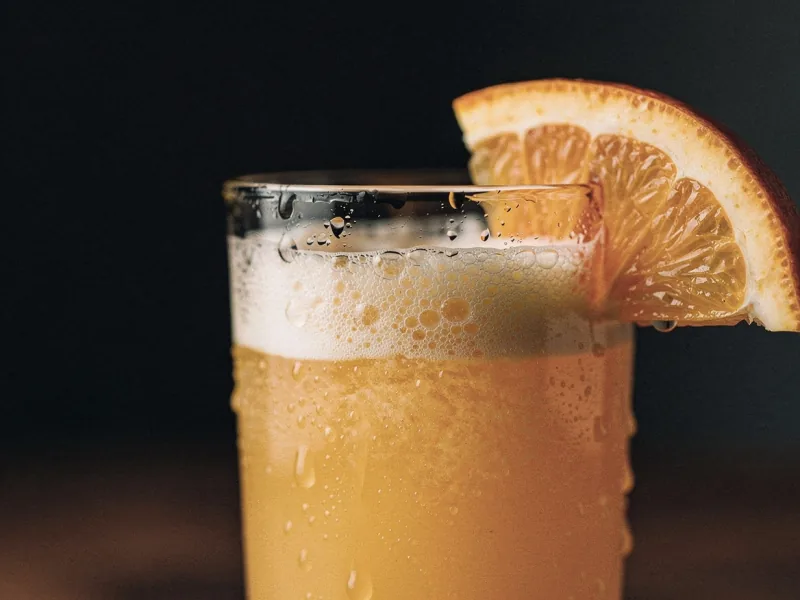
The drink is named after Giuseppe Garibaldi, a central figure of the Italian unification movement. It combines Italian bitter aperitivo with orange and is firmly part of aperitivo culture. Two ingredients and ice, the recipe asks for nothing more. Modern bars have taken it seriously again and worked especially on the texture: they whip the orange juice until airy. That doesn't change a single ingredient, but it completely changes the mouthfeel. It's a perfect example of how much technique can hide inside a supposedly simple drink.
In the same direction
Green Chartreuse is a bold herbal liqueur. Here it meets pineapple, lime and Falernum, a sweet spiced liqueur. You stir everything together in a tall glass over crushed ice. The drink still tastes tropical, even without any rum.
Zum RezeptFernet-Branca and cola—that's all this long drink needs. It arrives dark and boldly herbal in the glass, with sweetness from the cola and plenty of fizz. You build it directly in the glass over ice.
Zum RezeptProsecco, Aperol, and a splash of soda over plenty of ice. This orange Italian aperitif is bittersweet, light, and fizzy. It belongs at the start of the evening, before the meal.
Zum Rezept