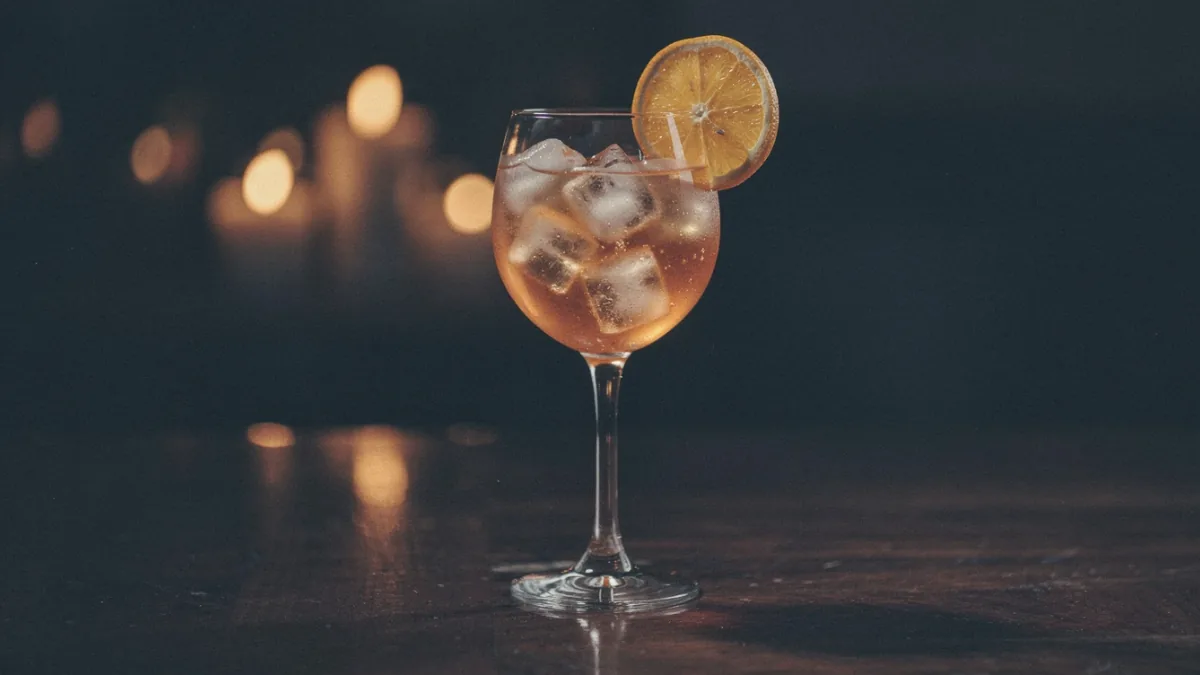
Preparation
- Fill the wine glass generously with ice.
- Pour in chilled Prosecco and Aperol, then top with a small splash of soda.
- Stir gently once from bottom to top.
- Garnish to finish: orange slice.
What does it taste like?
First comes carbonation and cold, then an orange note with bitterness behind it. The bitterness comes from the Aperol and is mild—it doesn't bite. The Prosecco brings acidity and fine bubbles, while the soda dilutes things further. This makes the Spritz light and refreshing. Plenty of ice keeps it cold and makes it even more watery over time, which is exactly the point here. Sweetness and bitterness balance each other out. The glass contains only sparkling wine and liqueur, no spirits—so you barely taste the alcohol. In the end, a dry, slightly bitter note lingers on the tongue.
When does it work best?
The Spritz is the classic choice for early evening. Order it before a meal, on a terrace, in the sun. It's light enough to sip for a full hour. Beginners often take to it right away, since it's sweet enough and tastes of orange. But anyone who really can't stand bitterness will still notice it here.
What matters
Everything needs to be cold before it goes into the glass: Prosecco, Aperol, and soda. Warm ingredients melt the ice immediately, watering the drink down. Fill the wine glass generously with ice—don't skimp. Stir just once, briefly, from bottom to top, or you'll lose the carbonation. A small splash of soda is enough; more dilutes the mix too much.
Where the drink comes from
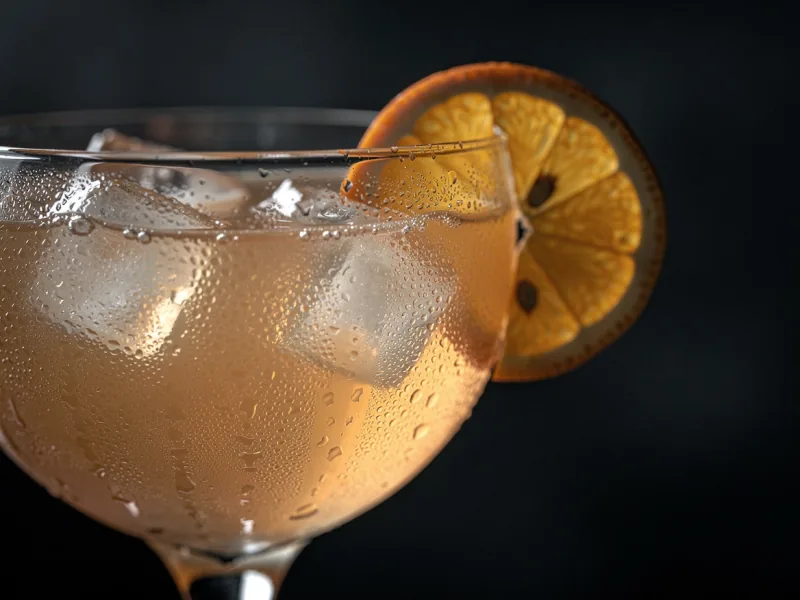
The Spritz comes from Northern Italy's aperitif culture. It started with the simple idea of lengthening wine with water or soda. Later, bitter aperitifs and sparkling wine were added. This gave rise to many versions, depending on the region and the brand. The version with Aperol is just one of them, not the only one. Order a Spritz in Italy and you won't get the same glass everywhere. This particular version became famous for three things: bittersweet orange, carbonation, and plenty of ice.