Styles on the nose
Jamaica, Agricole, Demerara, Cuban: identifying rum styles blind
Rum styles can be identified blind mainly through the nose: Jamaica smells of overripe banana, pineapple, and glue; Rhum Agricole of fresh grass and pepper; Demerara of dark sugar, licorice, and wood; Cuban-style rum is light, dry, and restrained. Barbados sits somewhere in between.
Identifying Jamaican rum blind: banana, pineapple, funk
Few styles are as easy to identify as Jamaican rum. The moment you pour it, an aroma rises that recalls overripe bananas, pineapple, glue, and sometimes nail polish. Rum enthusiasts call this "funk." It comes from long fermentations with dunder and bacteria, and from pot stills that let many congeners through into the distillate.
How strong the funk is depends on the ester class. The historical trade marks range from Common Clean at 80 to 150 grams of esters per hectoliter of pure alcohol, up to Continental Flavoured at 700 to 1600. The top classes are mainly used for blending. One more note: Jamaica's geographical indication rules allow only water and coloring to be added after distillation—no sugar. That's why Jamaican rum tends to taste dry.
Identifying Rhum Agricole: grass, pepper, brine
Rhum Agricole comes from fresh sugarcane juice and has a completely different character. The nose is green and vegetal: freshly cut grass, green bell pepper, white pepper, sometimes olives or sea salt. On the palate it feels dry, often almost austere, with a peppery bite.
This comes down to raw material and distillation method. The juice is fermented unboiled and, in Martinique, distilled in a Creole column still to only 65 to 75 percent. This preserves aromas that molasses rum lacks. An aged Agricole from the barrel loses some of its green character but keeps this dry, spicy throughline. Once you've tasted Agricole alongside a molasses rum, you'll rarely confuse the two again.
Demerara rum from Guyana: dark sugar and wood
Rum from Guyana, named after the Demerara region, is heavy and dark in expression. Typical notes include molasses, brown sugar, licorice, raisins, and often a smoky or earthy wood character. Some of this comes from historic stills made of greenheart, a hardwood from the Amazon region, such as the Port Mourant or the Versailles.
The geographical indication rules classify Demerara rum by congener content into light, medium, and heavy. The heavy marks come from pot stills. Unlike Jamaica, Demerara rum is permitted up to 20 grams of sugar per liter. Some bottlings come across as soft and sweet as a result, while independent cask bottlings tend to be sharper and drier.
Cuban style versus Barbados: light versus balanced
Cuban-style rum is the opposite of Jamaican. Under the Cuban specification, it's made from molasses, ferments for only 24 to 26 hours, and is distilled in column stills. The base distillate ages, is blended with filtered distillate, and ages again. The result is a light, dry rum with notes of wood, tobacco, vanilla, and fresh fruit—little funk, little weight.
Barbados sits in the middle. There, distilleries blend pot still and column still distillate, both produced in-house. The result is rounded: vanilla, coconut from bourbon barrels, banana in a mild form, a touch of spice. It's a good reference point against which to measure other styles.
Limits of blind tasting: sugar, blending, the cask
Blind tastings have their limits. Added sugar smooths out edges and makes different styles seem similarly soft. Blends from multiple countries, as with Navy Rum, mix characteristics together. And an Agricole finished in a Cognac cask may smell more of the barrel than of grass. Getting it wrong isn't a failure—it teaches you something about where the boundaries of these styles lie.
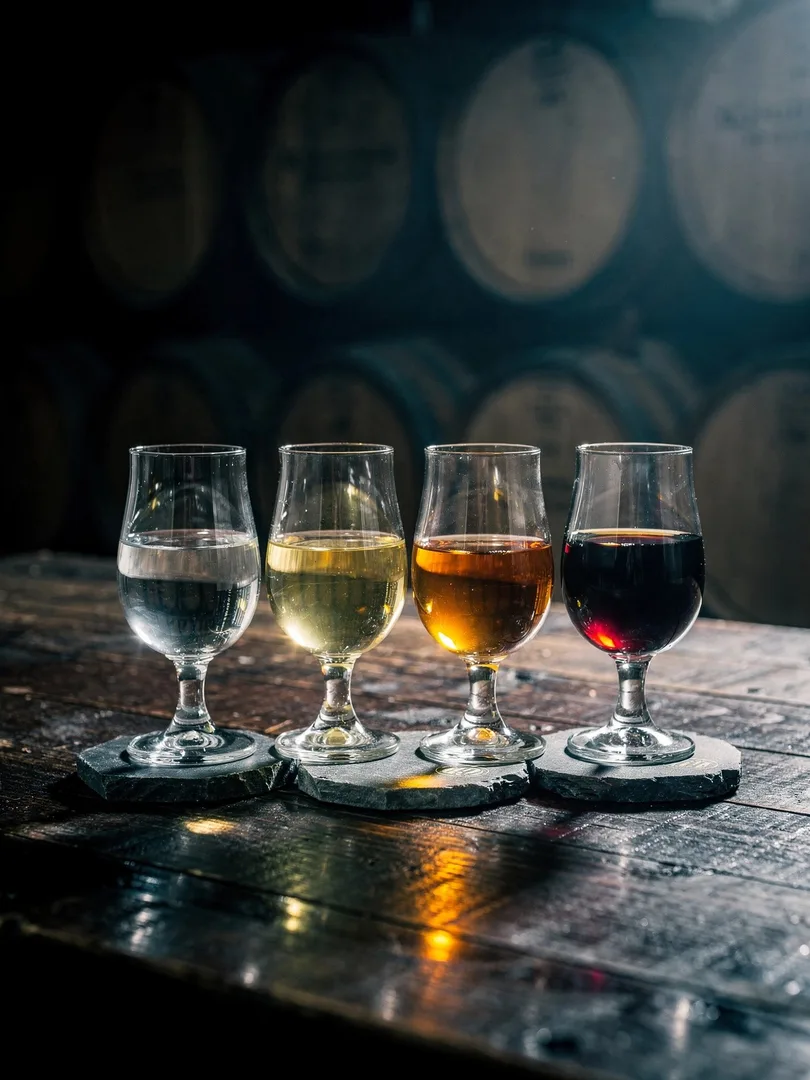
To practice, start with the starkest contrasts: a Jamaican rum and a Rhum Agricole, both unsweetened, both similar in strength. Almost everyone picks up on this difference immediately. Then move to finer pairings, such as Barbados against Cuban-style, or Demerara against Jamaica. Have someone pour into numbered glasses, and jot down notes on the nose first, then the palate, then a guess. Only reveal the answers afterward.
It helps to focus on two questions rather than dozens of notes. First: green and vegetal, or caramelized and dark? That separates juice from molasses. Second: fruity and wild, or smooth and light? That separates pot still from modern column still. With these two answers, you'll often already be in the right country.