Themed journey · 10 chapters
Law & Distilling Rights: Am I Allowed to Distill Spirits? Distilling permits, tax, and protected names
Flat-rate assessment, raw-material ownership, distilling rights, alcohol tax: ten stops explain who is allowed to distill in Germany, Austria, and Switzerland, and why.
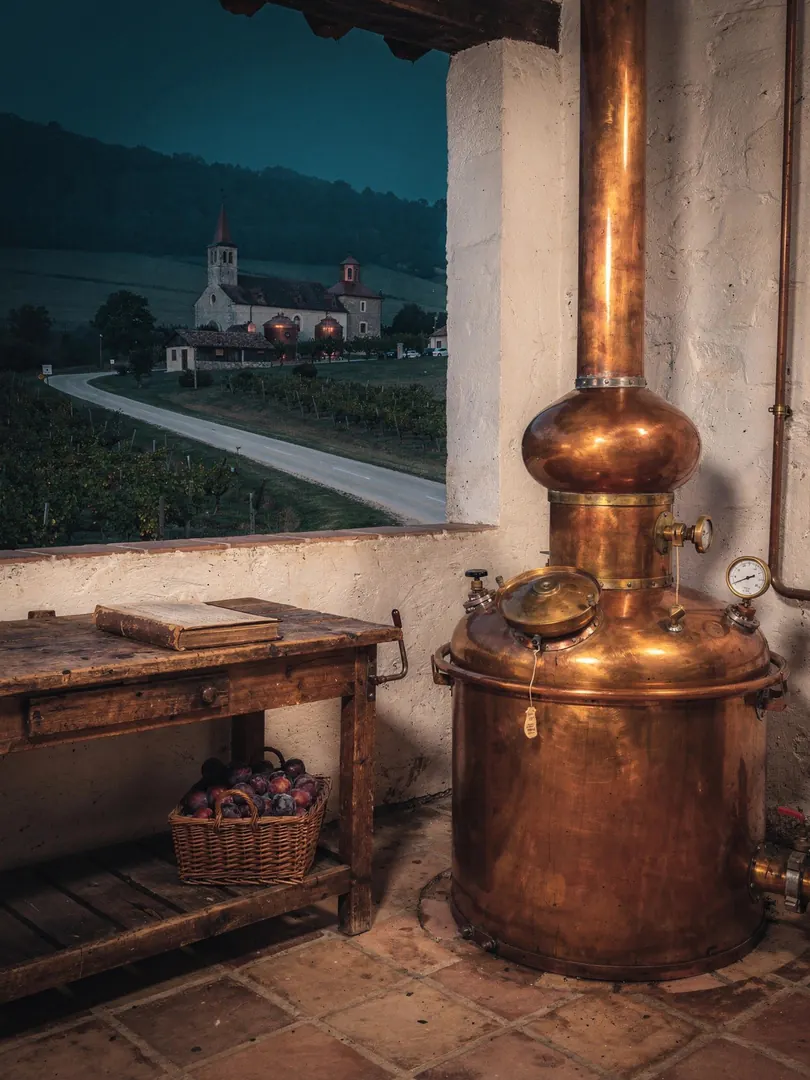
 Chapter 1Can you distill your own spirits? What the law says in GermanyThe basic rule
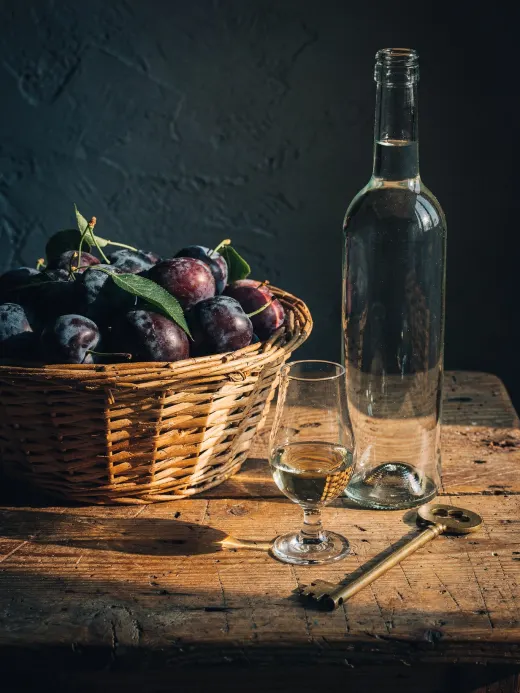
 Chapter 2What is a flat-rate distillery? 300 liters and a fixed taxDistilling on the farm
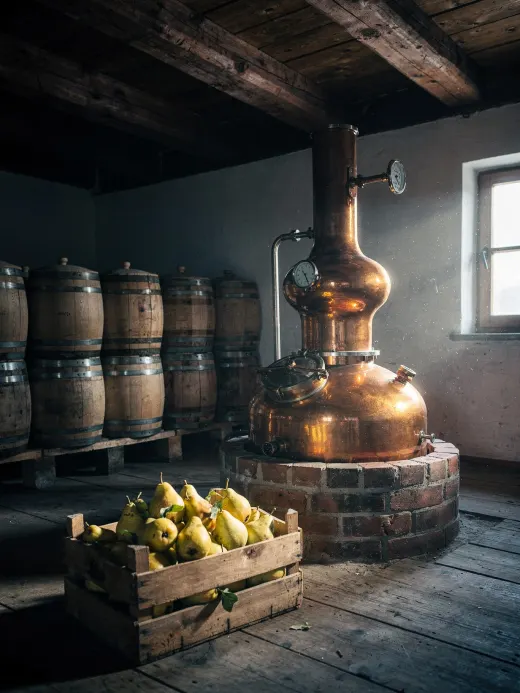
 Chapter 3Raw-material owner: having your own fruit distilled legallyYour own fruit, someone else's still
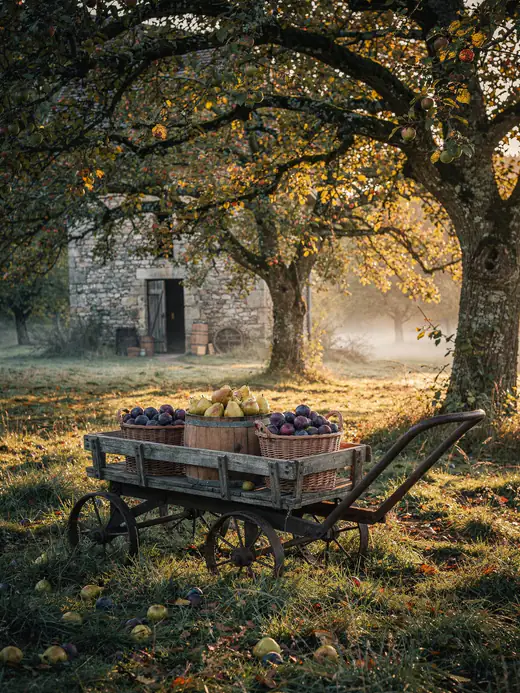
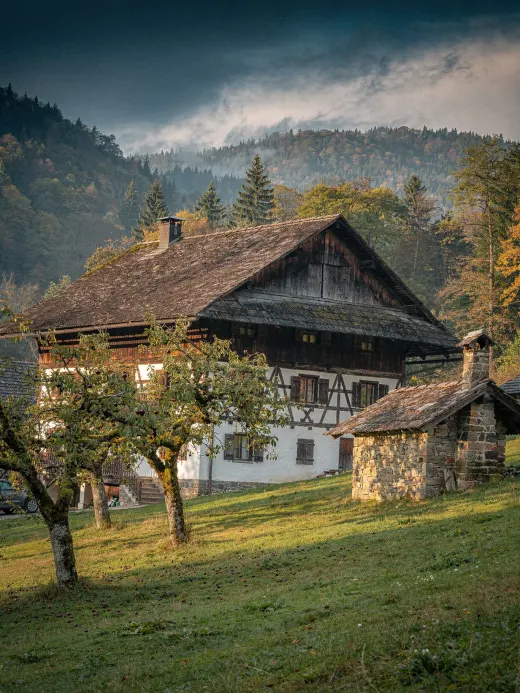 Chapter 4Buying or inheriting a distilling right? What's applied since 2018A permit instead of a right
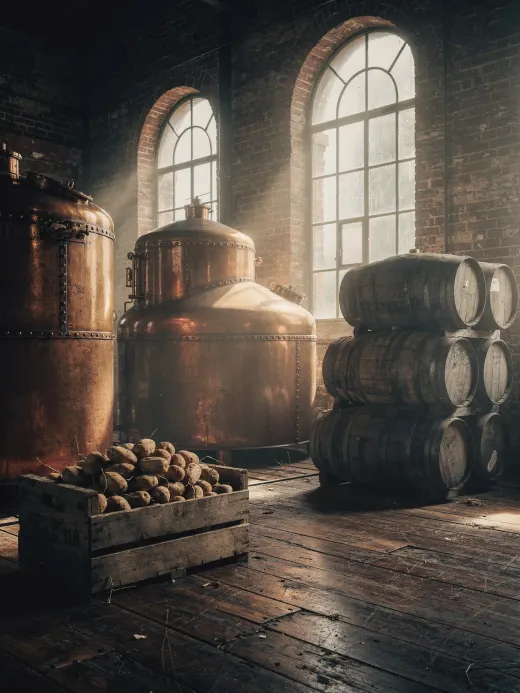 Chapter 5The Spirits Monopoly: What It Was and Why It Ended in 20171919 to 2017
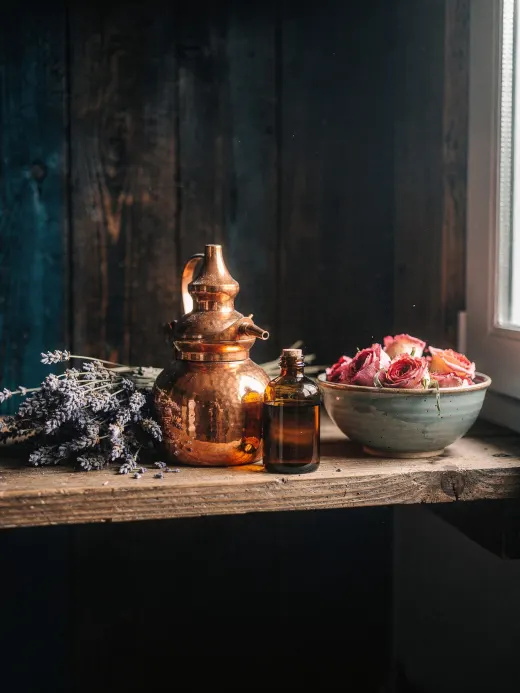 Chapter 6Buying a Still: What's Allowed When It Comes to Distilling EquipmentStills and Customs
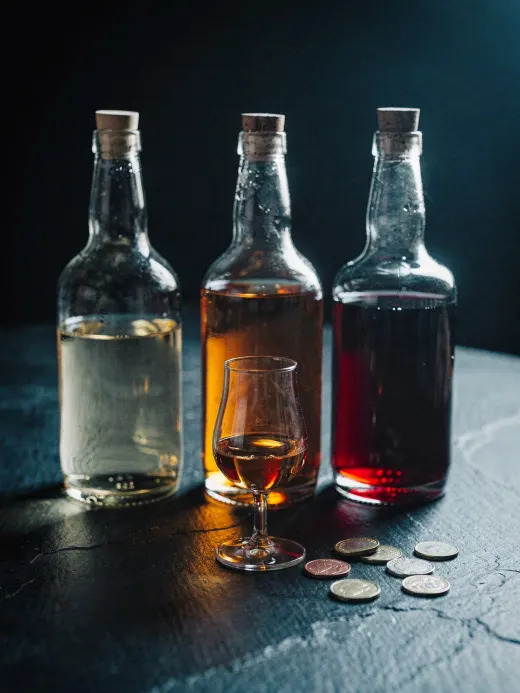 Chapter 7Alcohol Tax: How Much Tax Is in a Bottle of Schnapps?Tax per Bottle
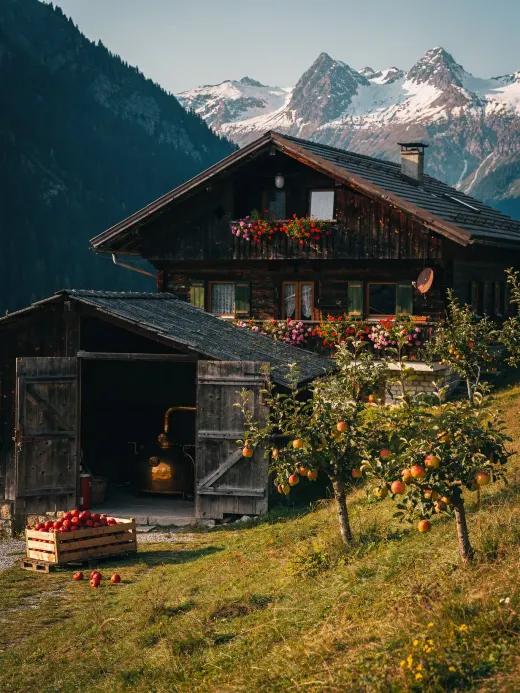 Chapter 8Distilling Schnapps in Austria: Abfindung and HausbrandHausbrand and Abfindung
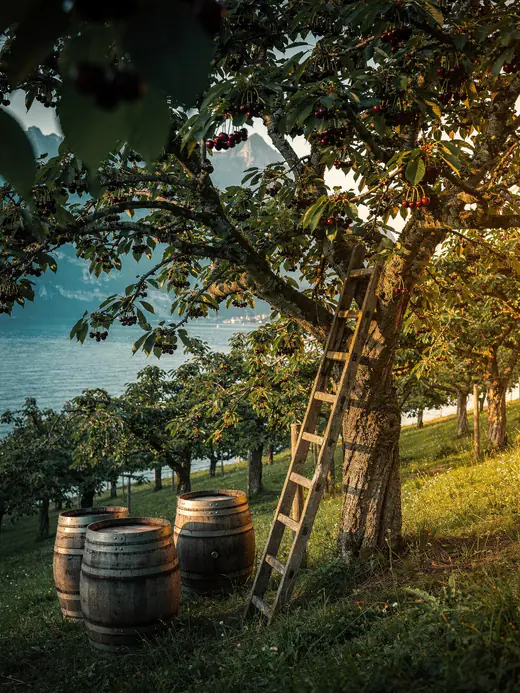 Chapter 9Distilling in Switzerland: home and contract distillersHome distillers and contract distillers
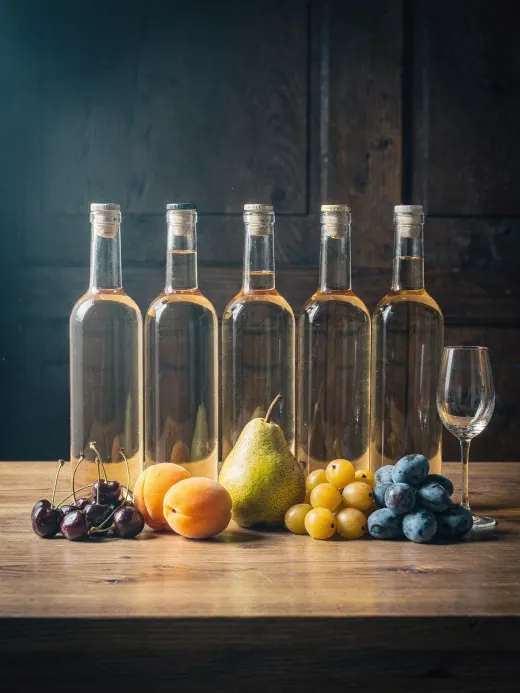 Chapter 10Protected names: from Schwarzwälder Kirschwasser to PálinkaOrigin on the label