Gin · Calvados · Shaken
Angel Face
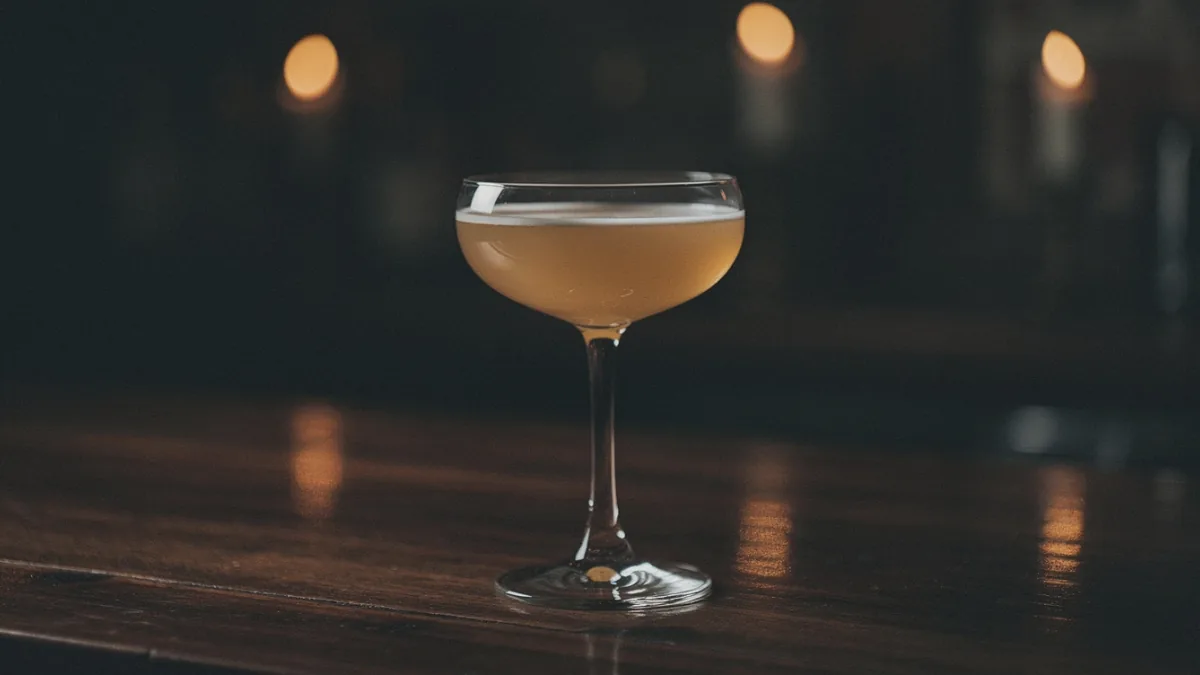
Gin, apricot liqueur and Calvados in equal parts. The Angel Face tastes fruity, of apricot and apple. Despite its soft name, it's a strong cocktail with no juice at all.
As of: · Cocktail classic of the 1930s
Images generated with AI · Text AI-assisted, editorially reviewed
Gin · Calvados · Shaken
Gin, apricot liqueur and Calvados in equal parts. The Angel Face tastes fruity, of apricot and apple. Despite its soft name, it's a strong cocktail with no juice at all.
As of: · Cocktail classic of the 1930s
Apricot comes first. The liqueur brings sweetness and a thick, almost jammy fruit character. Underneath, the gin works with juniper and botanicals, making the drink dry and lean. Calvados adds apple to the mix—but distilled apple: dry, warm and slightly woody. There's no acidity here, since neither juice nor lemon makes it into the glass. Everything therefore tastes dense and concentrated. All three parts are alcohol, and the liqueur is the only soft element among them. What lingers at the end is a warm, fruity weight on the palate.
The Angel Face belongs to the evening, not to quenching thirst. It suits an after-dinner moment or a quiet conversation best. Anyone used to juice-heavy cocktails will be surprised: there's not a drop of juice in it, and you can clearly taste the alcohol. Those who like gin and don't shy away from fruit liqueur, though, will take to it quickly.
What matters
Check the label when you buy the ingredients. Apricot Brandy here means a sweet apricot liqueur. An unsweetened apricot eau-de-vie carries the same fruit but no sweetness, and the drink tips into harsh territory. Measure the three parts precisely—they support each other. Chill the glass well: there's no ice in the finished drink, so it warms up quickly otherwise.
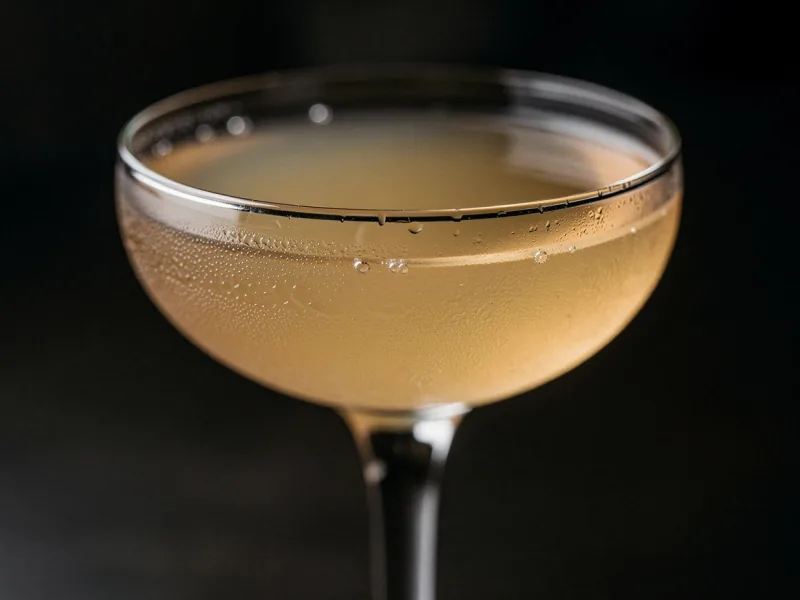
The Angel Face is documented in print as early as 1930, already made with equal parts gin, apricot liqueur and Calvados back then. Who first mixed it is unknown, and where the name comes from isn't reliably settled either. It sounds harmless—the drink itself is not. What's especially interesting is its structure: two very different spirits stand side by side, held together by the sweet liqueur. Without it, juniper and apple would have little in common.
In the same direction
Gin, honey and citrus: in the Bee's Knees, honey syrup does most of the sweetening; the orange juice also brings natural sugar along. This version adds orange juice alongside lemon, tasting softer and fruitier as a result.
Zum RezeptA Gin Sour over crushed ice, finished with blackberry liqueur poured on top. The Bramble tastes fresh and tart, with the dark fruit slowly sinking through the drink as you sip.
Zum RezeptA gin-forward classic with cherry liqueur, a touch of lemon and orange bitters. Old Tom Gin is a less dry style of gin. The drink is shaken and served over fresh ice, staying lean despite the liqueur.
Zum Rezept