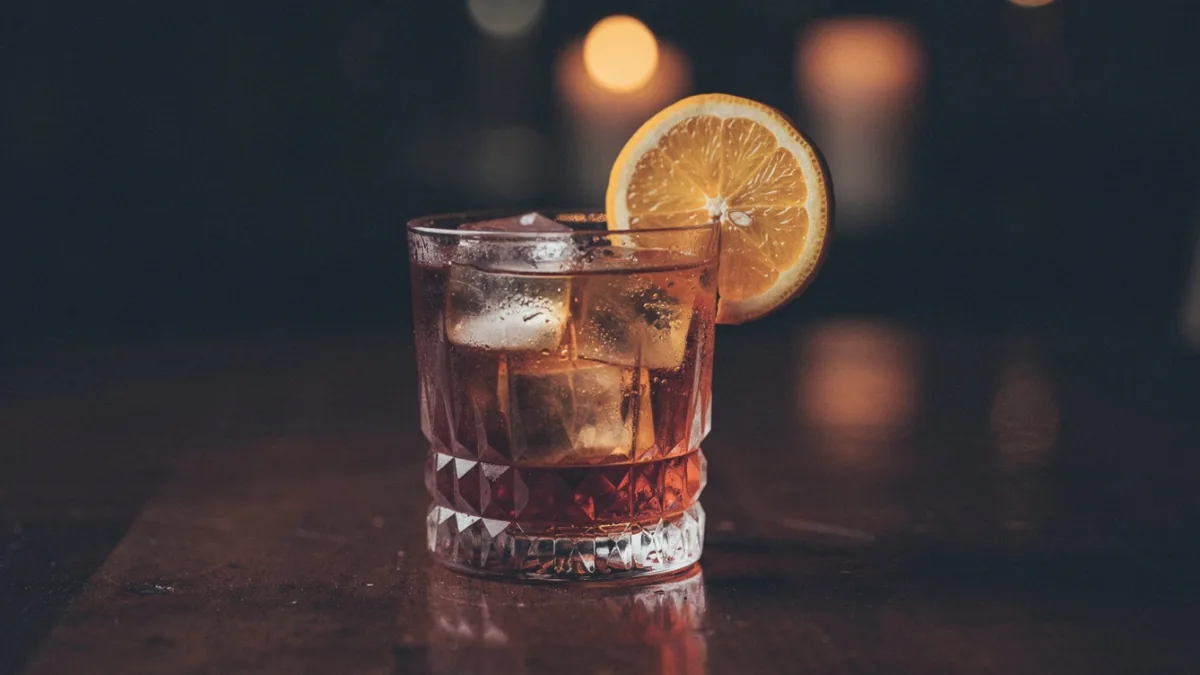
Preparation
- Fill the serving glass with solid ice cubes.
- Add the measured ingredients.
- Stir gently until the drink is cold and the ingredients have combined. Leave a bit of room at the top for the garnish.
- Finally, garnish: half an orange wheel.
What does it taste like?
The first sip is bitter. That comes from the red bitter aperitif, and it's meant to be that way. Behind it stands the juniper from the gin, with sweet vermouth rounding things out. No juice dilutes the drink: gin and Campari meet sweet vermouth, a fortified aromatized wine. That's why it tastes concentrated and hits fast. Toward the end, as the ice melts, it softens and the vermouth's sweetness comes through more. The orange slice adds a fresh aroma as you drink. If you're not used to bitter flavors, give it two or three sips.
When does it work best?
The Negroni is an aperitif and belongs before the meal. Beginners sometimes struggle with it, because the bitterness comes through very directly. If you enjoy grapefruit, dark chocolate, or strong espresso, you'll find your footing quickly. After a sweet dessert, though, it tastes off. One glass is usually enough: gin, Campari, and vermouth make a strong cocktail even without any juice.
What matters
The first time, measure all three ingredients equally, meaning 30 milliliters each. Only after that is it worth experimenting: then adjust just the gin or just the vermouth, otherwise you won't know where the difference comes from. The second common mistake is ice that's too small. It melts too quickly and waters down the drink. Use large, solid cubes and stir only until the outside of the glass frosts up.
Where the drink comes from
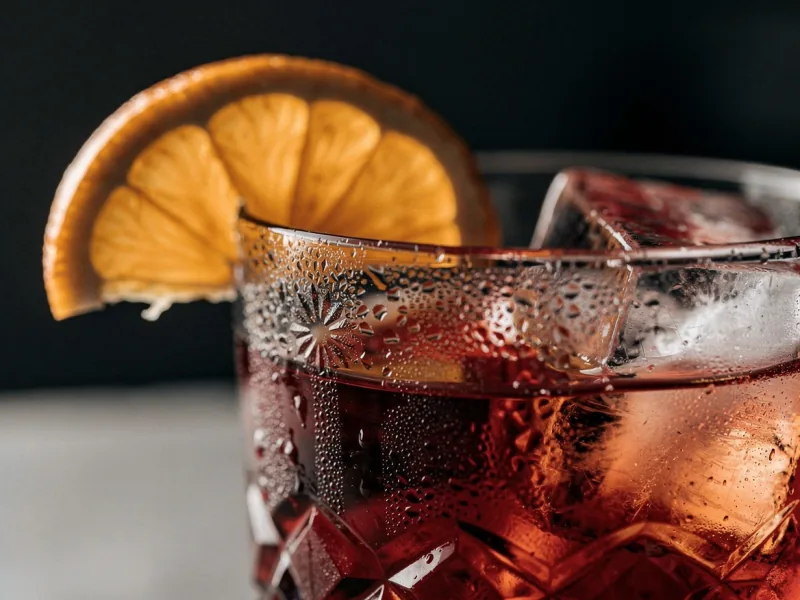
The most well-known story leads to Florence, around 1919. A guest is said to have wanted his Americano stronger. Instead of soda, gin went into the glass. The story names Camillo Negroni and bartender Fosco Scarselli. This isn't documented: individual details about its origin remain disputed. What's certain is only its close ties to Italian aperitif culture. What makes the drink so enduring is its simple ratio. Gin, bitter aperitif, and vermouth in equal parts is something anyone can remember. That's exactly why there are so many variations of it today.