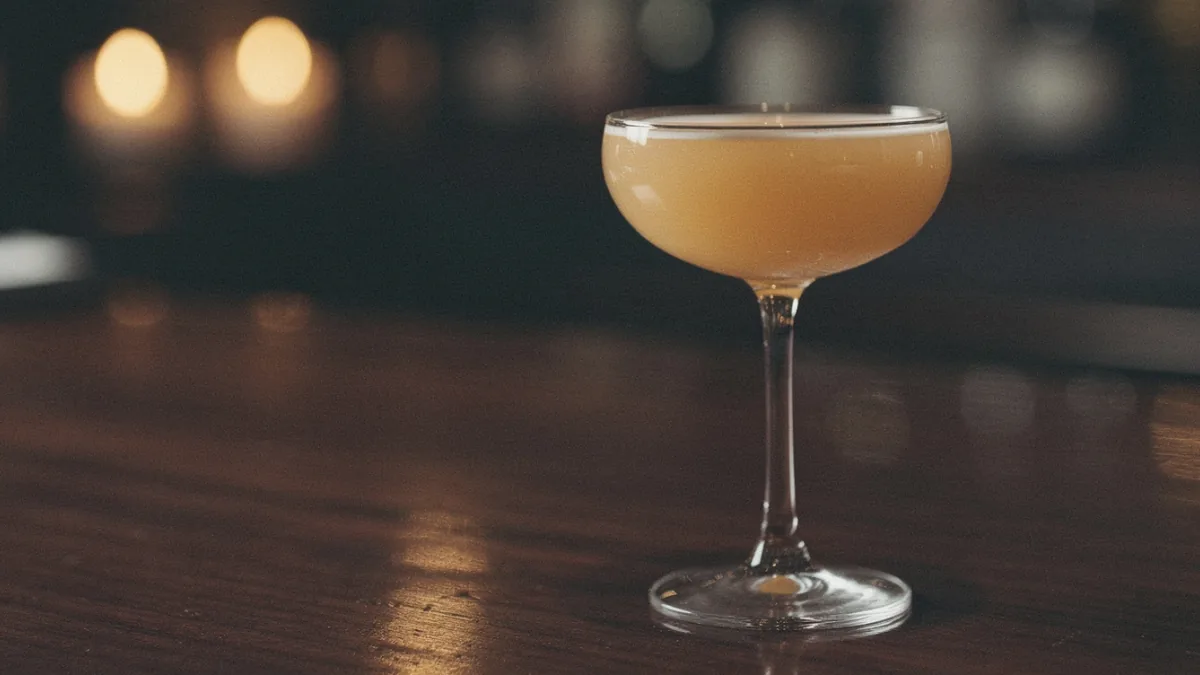
Preparation
- Chill the serving glass. Add the measured ingredients to a shaker.
- Add plenty of solid ice cubes and shake hard for about 10–15 seconds.
- Strain through a bar strainer into a pre-chilled glass; the shaker ice stays behind in the shaker.
What does it taste like?
Apricot leads, soft and distinctly sweet, just as the liqueur tastes. The orange juice layers fruit on top and brings a bit of acidity, but only a little: it's just 15 milliliters. Juniper and botanicals from the gin work from below and keep the whole thing from tasting like stewed fruit. This cocktail never turns sour, since lemon and lime are missing. It stays round and gentle. With only 15 milliliters of juice against 50 milliliters of spirit and liqueur, it's still no light drink.
When does it work best?
The Paradise suits early evening and guests who don't care for bitterness. Sweetness and fruit make it approachable, even for people with no cocktail experience. Those who prefer dry drinks, though, will quickly find it too sweet. It hardly pairs with food. Best enjoyed as a small cocktail before dinner or simply in between.
What matters
Apricot Brandy here means apricot liqueur, not a clear fruit brandy. With a brandy the drink turns hard and dry, and the sweetness disappears entirely. Use freshly pressed orange juice: juice from a carton tastes flatter and often bitter from the peel. And stick to the 15 milliliters. More juice turns this short cocktail into a thin orange drink.
Where the drink comes from
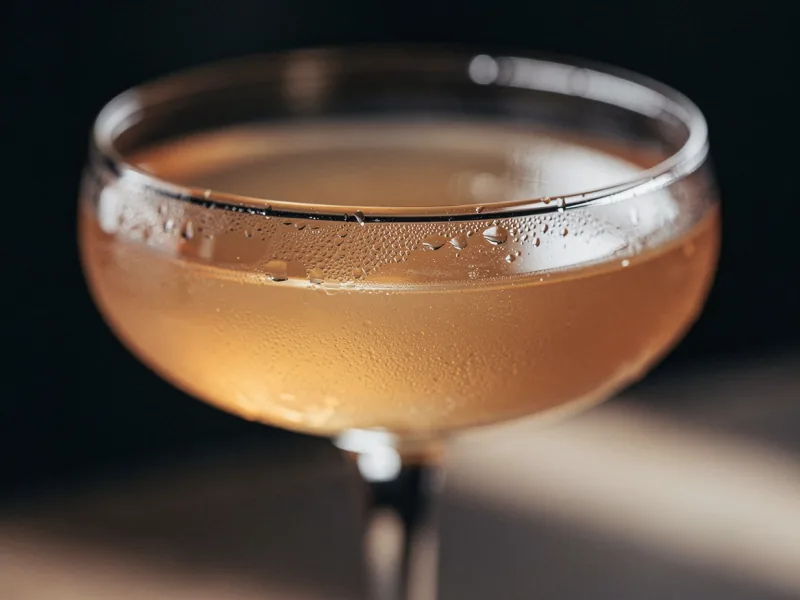
The Paradise already appears in cocktail recipes from the early 1920s. Who invented it can't be determined from that. Later versions have shifted the proportions of gin, apricot liqueur, and orange again and again, sometimes more gin, sometimes more liqueur. The version here is one of those. It remains distinctive nonetheless, because it does without lemon and lime. Fruit and liqueur carry the drink on their own, and that's exactly what makes it so mellow. Three ingredients, shaken briefly, and a classic is ready.