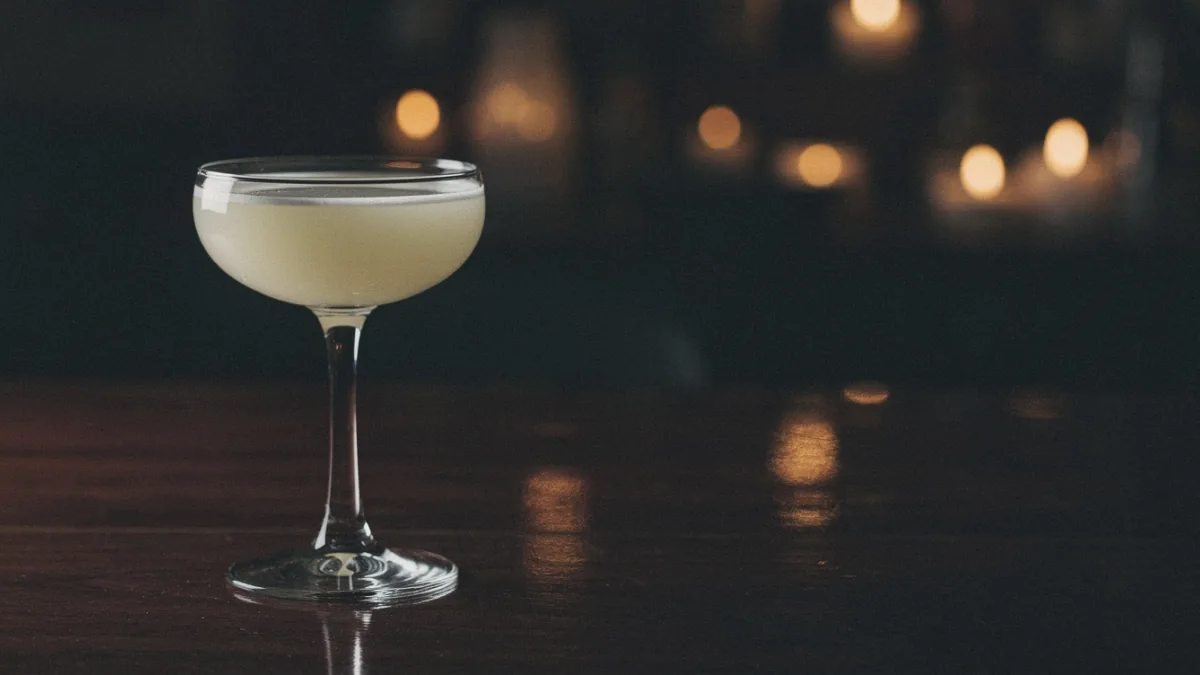
Preparation
- Pre-chill the serving glass. Pour the measured ingredients into a shaker.
- Add plenty of solid ice cubes and shake hard for about 10–15 seconds.
- Strain through a bar strainer into the pre-chilled glass; the shaking ice stays in the shaker.
What does it taste like?
First comes the lemon, clear and sharp. Right after, you taste orange: the Triple Sec brings peel and sweetness. Beneath that lies the gin with juniper and botanicals, giving the drink its backbone. Sweetness and acidity are nearly balanced, as 30 ml of liqueur meets 20 ml of lemon juice. In the finish, orange peel lingers, dry and slightly bitter. Don't underestimate its strength: 40 ml of gin plus the liqueur fill nearly the whole glass, with water coming only from the shaking ice.
When does it work best?
An aperitif before dinner, best served ice-cold and sipped slowly. For beginners, it's more approachable than a straight spirit mix, since the orange sweetens it and the lemon keeps it fresh. That doesn't make it harmless: soda isn't part of the recipe; 20 ml of lemon juice and melting ice are all that complement the gin and orange liqueur. Even those who don't care for gin will clearly taste the juniper here.
What matters
The orange liqueur is the only sweetness here. Additional sugar syrup doesn't belong in the base recipe, or the balance tips off. Egg white isn't included in this version either. Pre-chill the coupe and shake with large, solid ice cubes for ten to fifteen seconds. A warm glass will make the drink heavy and overly sweet within minutes.
Where the drink comes from
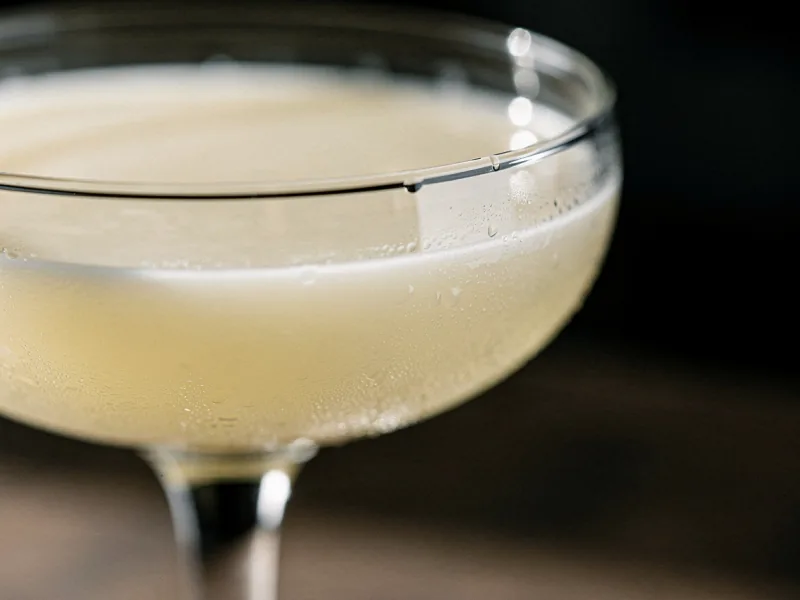
The name White Lady is older than this recipe. Earlier, quite different mixes went by this name, including some with mint liqueur. The version familiar today, made with gin and citrus, only appears in the late 1920s, with a recipe from 1930 recording it. Several bartenders claim credit for its creation, and this remains unresolved. So keep two things separate: the history of the name and the history of this particular mix. Only the latter is in your glass.