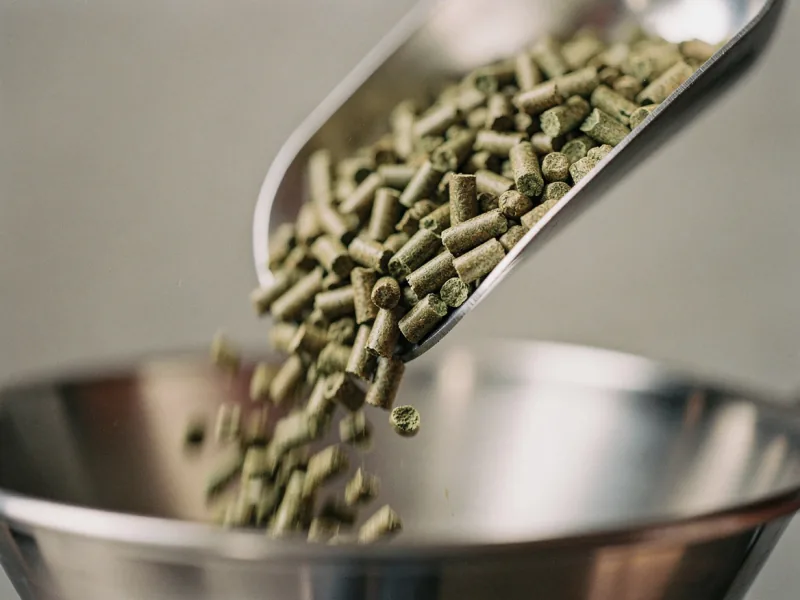
The short answer
Dry hopping means: the hops are only added once nothing is boiling anymore — during or after fermentation. This keeps the aroma in the beer. The English term for this is dry hopping.
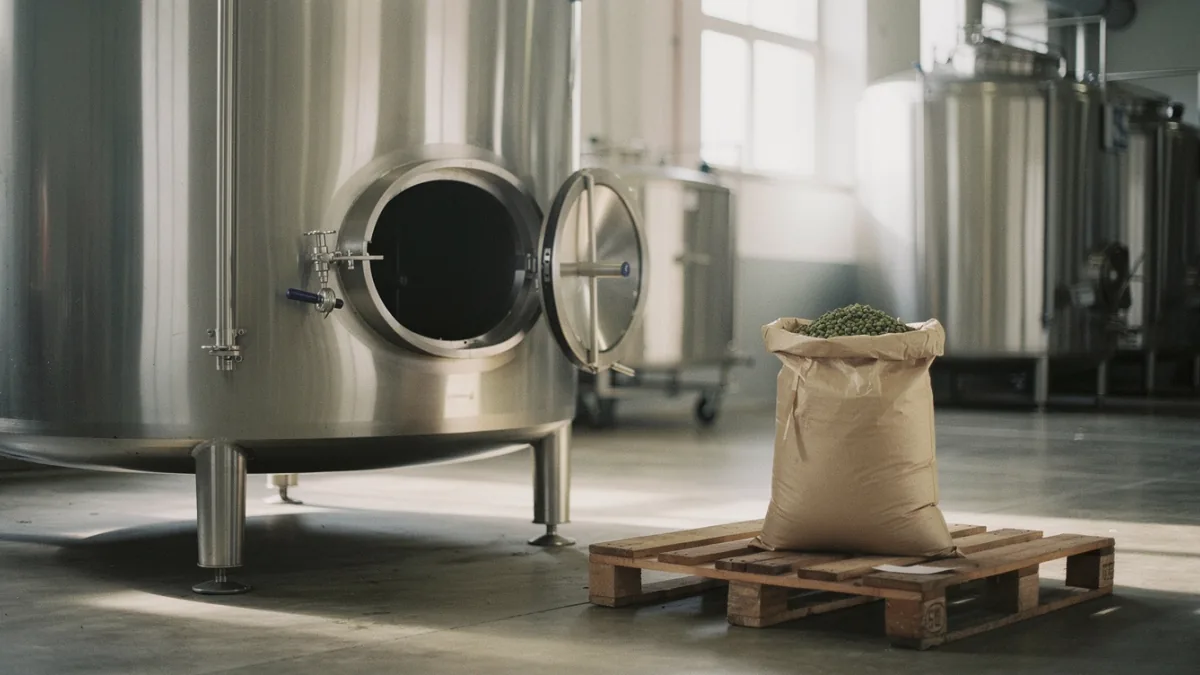
"Dry" here doesn't mean dry in taste
Dry hopping describes when the hops are added, not how sweet the beer is. This should be distinguished from wet hopping: that refers to freshly harvested, still-moist hops. The two terms answer different questions.
The reason for this method is simple. The aromatic compounds in hops are volatile and evaporate during boiling. Anyone who wants them in the beer adds the hops once nothing is boiling. The bittering compounds, on the other hand, need heat to dissolve. That's why a dry-hopped beer can smell intensely aromatic and still be low in bitterness.
What "Double Dry Hopped" doesn't promise
Double Dry Hopped only tells you that dry hopping happened twice. It says nothing about how intense or how good the beer is. Better to ask about the style. And a beer with a strong aroma doesn't necessarily have to taste better to you.
Pay attention to storage and freshness. Hop aromas are delicate and prefer cool, dark conditions. Don't collect these beers like bottles that improve with age. If you want to compare, use two equally fresh cans rather than a new one against one that's been sitting somewhere warm for a while.
This is exactly why these beers don't keep long. What wasn't boiled in is delicate: light, warmth and time break down the aromas. A fresh packaging date and a cool spot matter more here than the brand on the label.