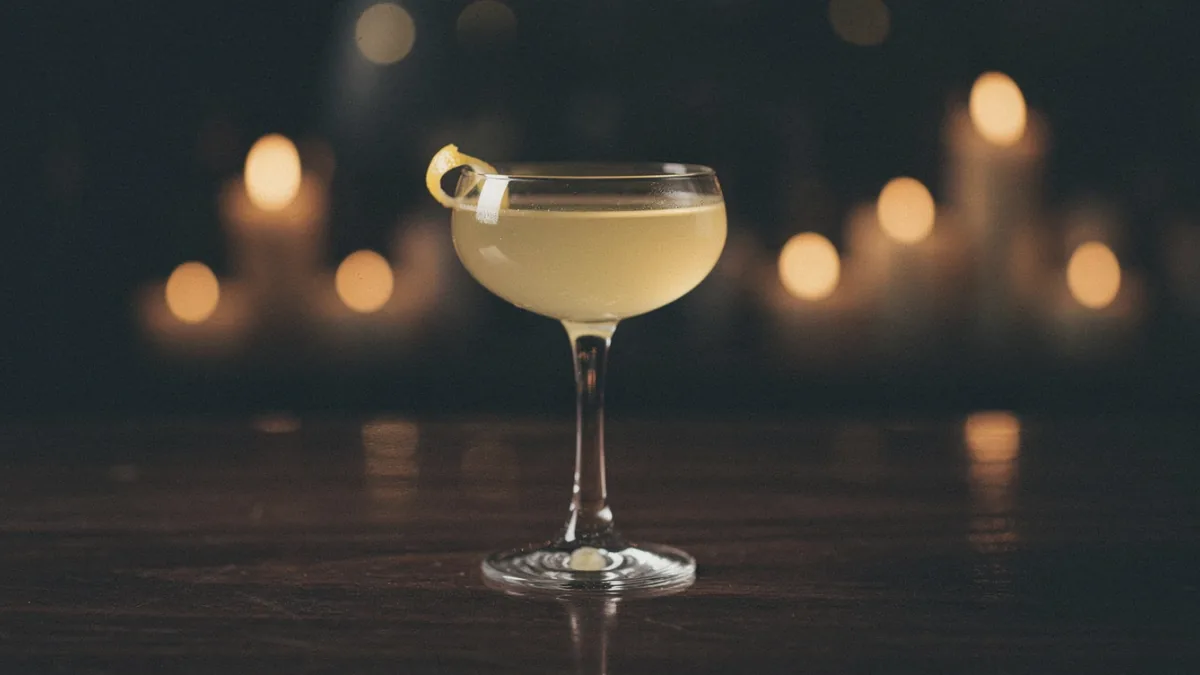
Preparation
- Pre-chill the serving glass. Add the measured ingredients to a shaker.
- Add plenty of firm ice cubes and shake vigorously for about 10–15 seconds.
- Strain through a bar strainer into the pre-chilled glass; leave the shaking ice in the shaker.
- Finish by garnishing: lemon zest.
What does it taste like?
The first impression is coldness and alcohol. Right after comes the juniper from the gin, along with its herbal notes. The vodka itself tastes of little; it mainly makes the drink stronger. Lillet Blanc is only a small portion, but it brings a hint of sweetness and fruit. That takes the final edge off the cocktail. You can smell the lemon zest even before the first sip. There's no juice in it: nothing sour, nothing to buffer the alcohol. Shaking makes it very cold and a bit more diluted, and that's exactly what makes it drinkable.
When does it work best?
The Vesper is an aperitif for the experienced. It pours 60 ml of pure spirit into the glass and not a drop of juice. Drink it slowly and stick to just one. It works well before a meal, since it doesn't add sweetness. Beginners may struggle: nothing here hides the alcohol, and that's exactly the point.
What matters
Shaking makes the drink colder and slightly more diluted than stirring; both are intended here. Chill the glass beforehand, or it will turn lukewarm within minutes. Use large, firm ice cubes: small, partially melted pieces dilute too quickly. Don't expect the original taste. Lillet Blanc isn't the same product as the Kina Lillet of the past.
Where the drink comes from
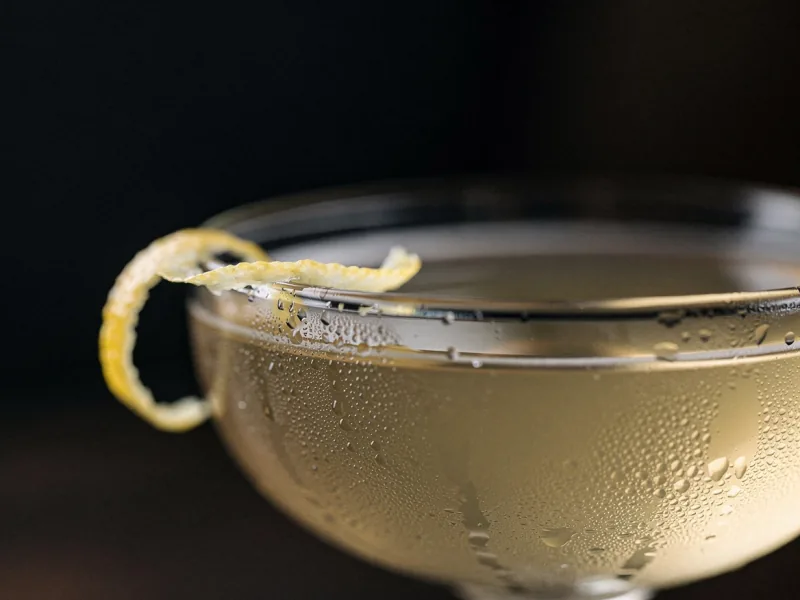
The Vesper comes from a novel. Ian Fleming described it in 1953 in Casino Royale, and the character Vesper Lynd gave it its name. The book calls for gin, vodka, and Kina Lillet. That Kina Lillet no longer exists today in its original form; what's on the shelf now is Lillet Blanc, a different product. So every Vesper made today is an honest recreation, not a trip back in time. What remains is the idea: two clear spirits, a small portion of wine, served very cold.