The short answer
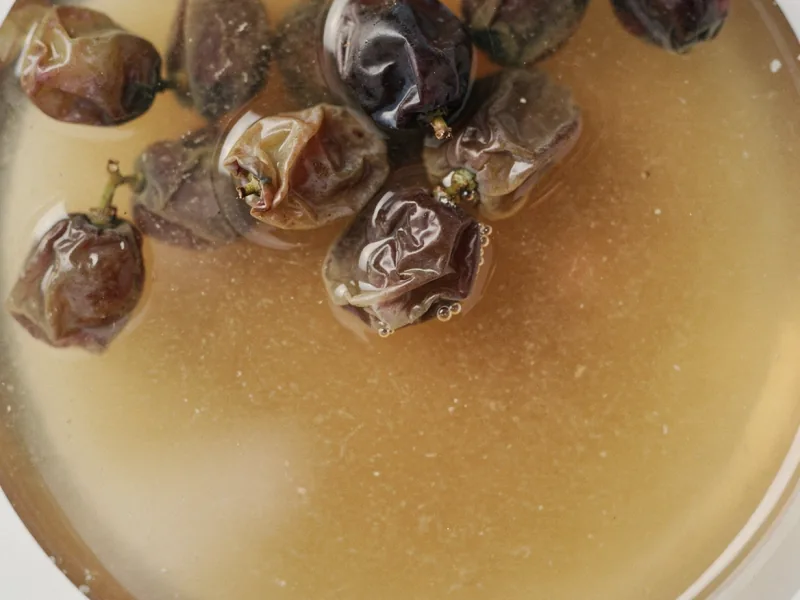
Orange wine is made from white grapes. During production, the juice stays in contact with the skins for longer. The wine has nothing to do with oranges. From the skins, it picks up color and tannin, and both often turn out more pronounced than in a classic white wine.
What's Different in the Winemaking
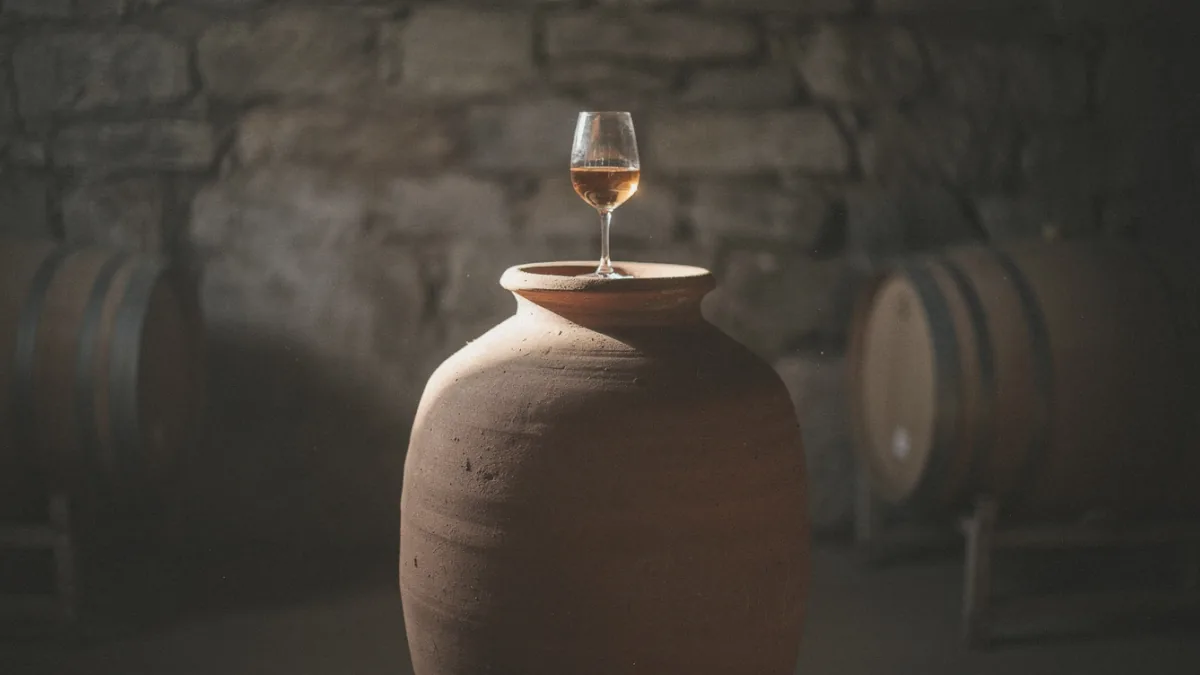
With orange wine, the juice ferments together with the skins or stays in contact with them for longer. How long this contact lasts varies from producer to producer. The vessel used for aging varies too — so a wine like this doesn't necessarily have to come from an amphora. And it doesn't have to taste oxidative either, meaning it doesn't have to show notes of extended air contact.
The term tells you about the method, not the taste. Some bottles come across fruity and only lightly gripping. Others are noticeably spicier and more tannic.
Color and tannin sit in the skin. With a classic white wine, the winemaker separates the juice from the skins early on. With orange wine, the juice stays in contact with them longer. That's where the difference you see in the glass and feel in the mouth comes from: more color, and often a dry, gripping sensation on the palate. You'll already know this sensation from red wine.
Because the duration and vessel are handled so differently from one producer to the next, the term tells you little about any individual bottle. It describes a method, much like a mention of oak aging does. Two bottles with the same word on the label can turn out worlds apart in the glass. If one orange wine didn't win you over, that says nothing yet about the next one.
Your First Bottle of Orange Wine
For your first bottle, ask for an approachable style with low tannin. Mention the dish you plan to drink it with. If you're expecting an easygoing white wine, the mouthfeel might catch you a little off guard. A small sample beforehand is especially helpful for that reason.
Orange doesn't automatically mean sweet, organic, or free from added sulfites. You need to check these qualities in the specific product. After tasting, jot down what surprised you most: the aroma, the color, or the mouthfeel. That way, an unfamiliar bottle becomes useful guidance for your next one.
Don't drink the first bottle alone. Set a white wine you know well next to it. In a direct comparison, you'll quickly see where the difference lies. The aroma is sometimes closer than you'd expect, but the mouthfeel diverges quite a bit.
In the shop, a clear question gets you further than reading labels for ages. Say you'd like to try skin contact and describe what you usually enjoy drinking. If the shelf tag just says Orange, you still don't know how long the skins were left in contact. That's exactly what determines whether the wine turns out delicate or bold.
Orange Wine Is Not a Rosé
The most common misconception lies in the name. Orange wine has nothing to do with oranges. The color comes from the skins of white grapes. The second misconception concerns sweetness. A deep hue looks like residual sugar to many people, but it tells you nothing about that. Color never reveals how sweet a wine tastes.
There's also a persistent idea that orange wine always comes from amphorae and always tastes of oxidative contact. That's true for some bottles, but not for others. Likewise, it's misleading to assume that orange means organic or free of added sulfites. Those are separate qualities, and you need to check them in the specific product.
Tasting Orange Wine Alongside a White Wine
Use a regular white wine glass and pour a modest amount. Smell it first and notice how the aroma changes after a few minutes. Then take your first sip. What's interesting here is less the fruit than the sensation afterward. Does your palate feel dry? Does something grip it? Does the impression linger?
With food, it's best to try the wine with whatever's already on the table. Pair the same wine with two dishes and see which one it suits better. Afterward, jot down two sentences about what you noticed. Next time you're shopping, share them with the retailer instead of starting from scratch again.