The short answer
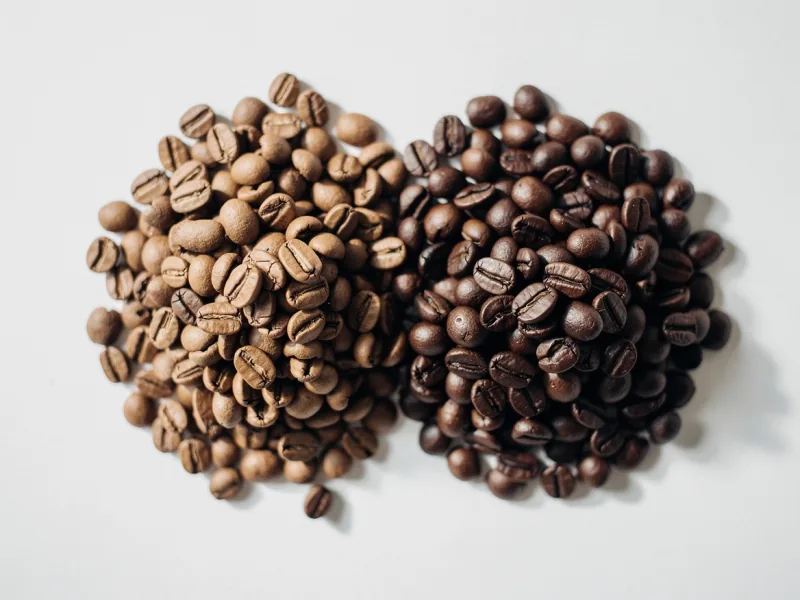
Roasting creates the flavor you later find in the cup. Light roasts show more of the bean itself, dark roasts show more of the fire. Which one suits you better depends on your taste and your brewing method.
Light, medium, dark: every roaster measures differently
The National Coffee Association broadly divides roasts into light, medium and dark. But it also notes that roasters set these levels differently from one another. Espresso roast isn't a fixed color stage. And a bold roasted flavor doesn't mean there's more caffeine in it.
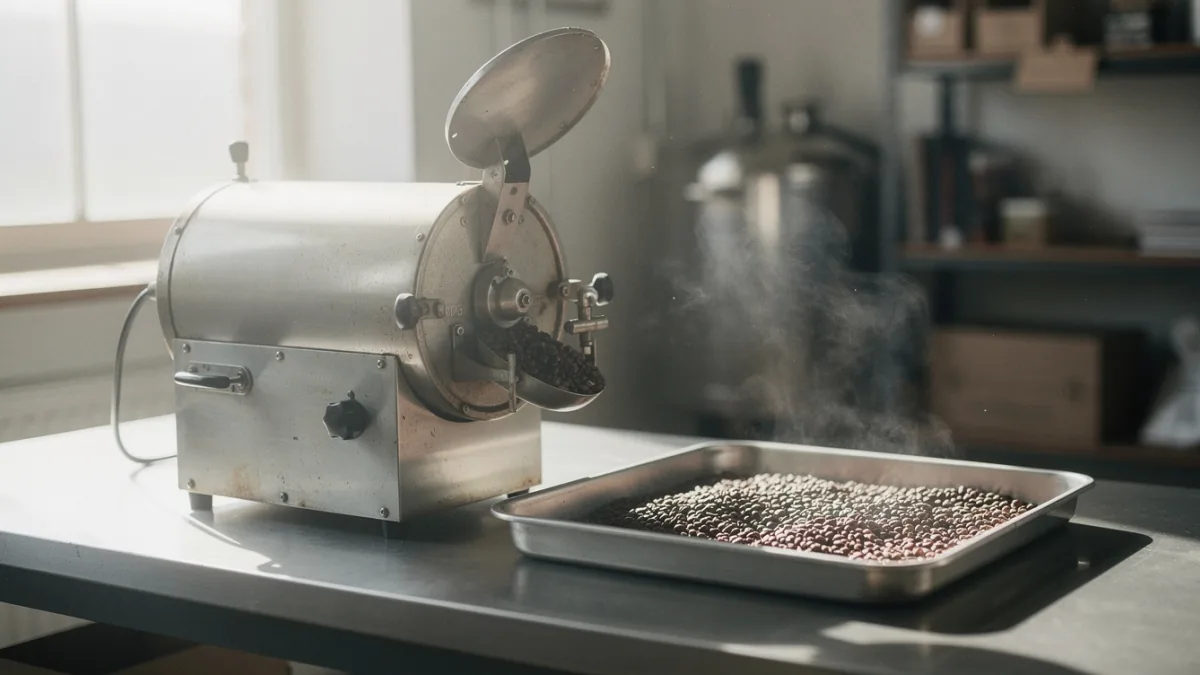
What happens during roasting is easy to explain: the longer a bean stays in the fire, the more the roast flavors mask its own character. With a light roast, you can still taste the origin, often fruity or floral. A dark roast lays a layer of chocolate, nut and bitterness over the top, and that tastes similar across almost any bean.
A simple rule follows from this: with expensive beans from a special origin, a lighter roast is worth it. Otherwise you're paying for something that got left behind in the fire.
How to find out which roast suits you
When you try a new roast, use the same method as usual. And describe the impression precisely: fruity, roasty, bitter or balanced. "Strong" alone won't get you anywhere on your next purchase.
Ask in the shop which brewing method the roast was intended for, and what flavor the roaster had in mind. A light roast, by the way, doesn't have to taste sour. That's a common misconception.
A second misconception is even more persistent: dark roast doesn't mean more caffeine. Roasting actually causes some caffeine to be lost. What increases is the bold, bitter impression, and many people mistake that for stronger effect.