The short answer
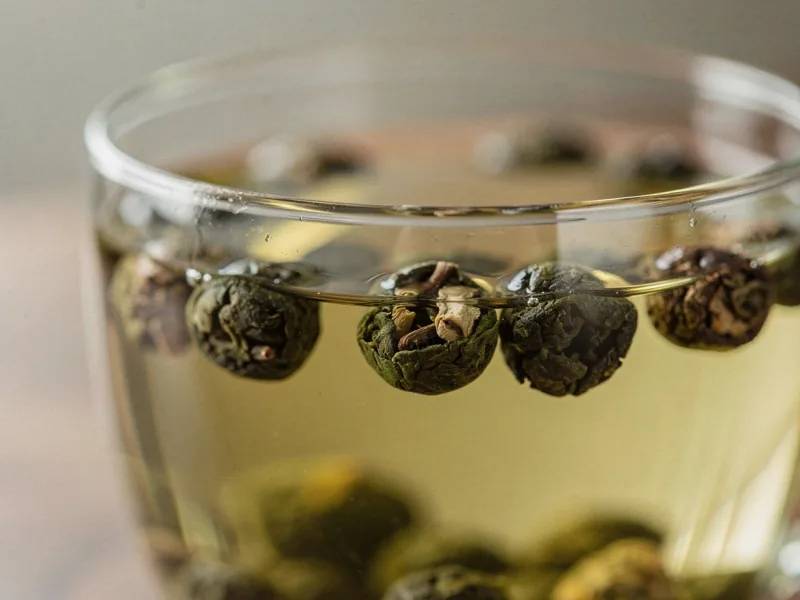
Oolong is partially oxidized tea. It is not a blend of green and black tea. It results from its own distinct processing method, in which oxidation is stopped partway through.
A wide spectrum
"Partially oxidized" sounds like a fixed point. It isn't. The degree of oxidation varies considerably from one oolong to another, which is exactly why there's no single, uniform oolong flavor.
Oxidation refers to the process in which compounds in the leaf react with oxygen from the air. With oolong, this process is interrupted, but not always at the same point. That's where the whole range within this category comes from.
The UK Tea & Infusions Association accordingly describes a variety of different styles within this category. It doesn't describe a single flavor profile.
The two extremes show just how wide this range is. A lightly oxidized oolong tastes floral and comes close to green tea. At the other end, a heavily oxidized, roasted oolong tastes dark and nutty, sitting much closer to black tea.
Both carry the same word on the package. Without any indication of oxidation level, you're genuinely buying blind here. So look on the back for a hint before relying on the name on the front.
The word oolong on its own, then, tells you fairly little. It only tells you that oxidation was stopped somewhere along the way. Exactly where determines everything you'll taste afterward. If the package doesn't specify, ask in the shop.
Getting to know the specific variety
Read the instructions for leaf amount, water, and steeping time first. Follow them exactly on your first attempt. You can still adjust from there afterward.
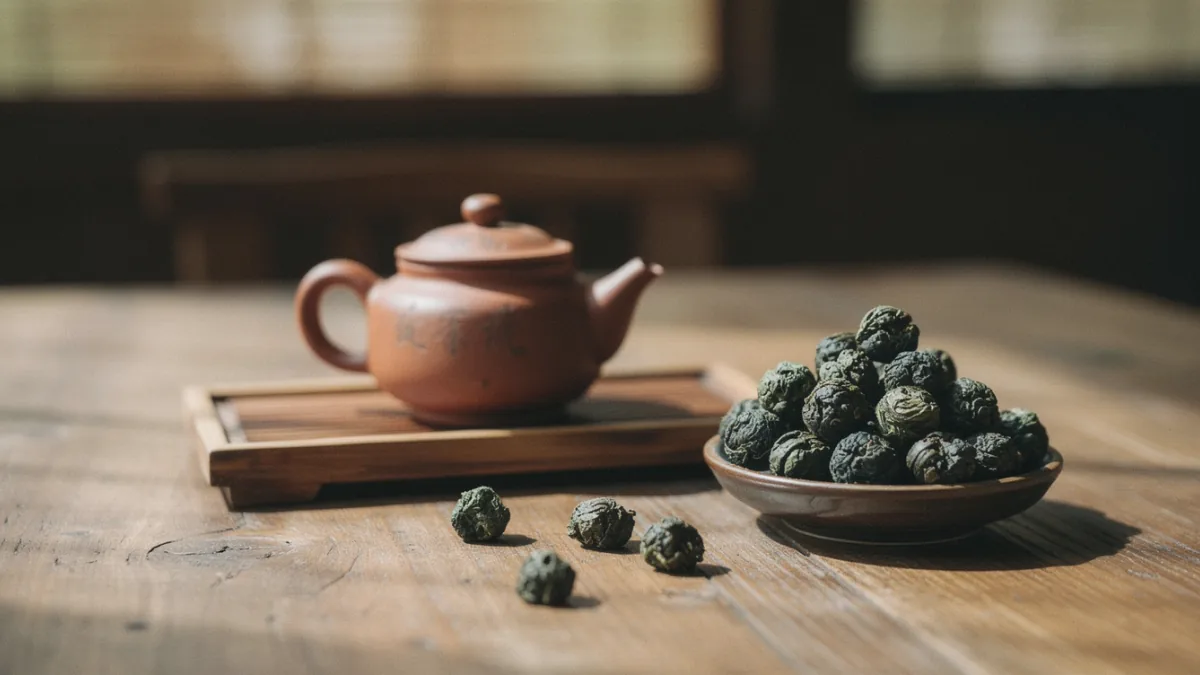
With oolong, multiple infusions are the rule rather than the exception. The leaves are often rolled tightly and only unfurl gradually.
Across three, four, or more infusions, the same tea reveals different sides of itself. The second infusion is often the best one. Anyone who tips it out after the first is giving up the better part of the package.
Keep the infusions separate and drink them one after another. Pay attention to what changes from one to the next. This kind of observation tells you more than debating whether oolong leans closer to green or black tea.
Jot down a keyword after each infusion. By the end, you'll have a small sequence in front of you and can see at which point this particular tea is at its best. With the next package, you'll already know what to look out for.
If an infusion turns out too strong, change just one setting next time. Usually a shorter steeping time is enough on its own. Leave everything else deliberately as it was.
A distinctive name doesn't automatically make brewing complicated. Oolong doesn't require special expertise. It requires a bit of patience and a willingness to steep the same leaves a second and third time.