The short answer
Stick to what's stated on the bottle. There's no uniform shelf life for opened alcohol-free drinks — they behave more like juice than like spirits.
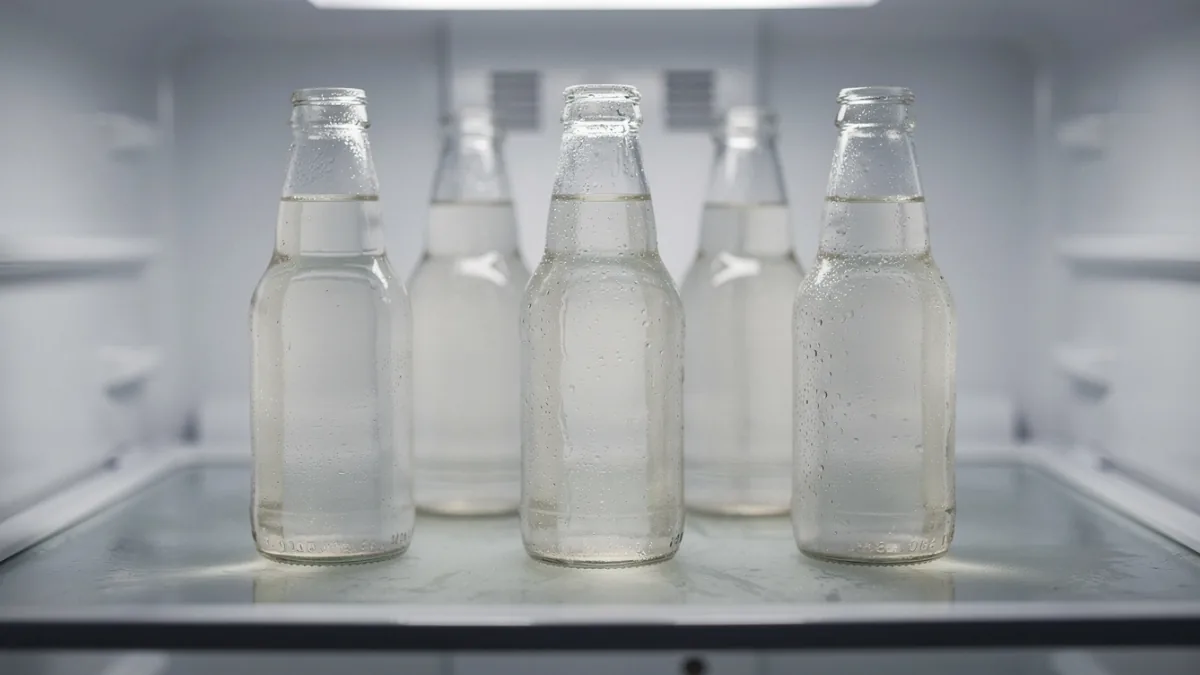
Without alcohol, the protection is missing
Non-alcoholic spirit alternatives keep differently than spirits. You can't carry over the habit of leaving an open bottle at room temperature for weeks.
The reason is simple: alcohol preserves. At around 20 percent, it slows down microbes enough that an open bottle can sit safely for months. Without alcohol, that protection is gone. What's left is a water-based, often sugary drink that behaves like an opened juice.
The bottle shape is deceiving here. A non-alcoholic alternative looks like a spirit but is a food product with a limited shelf life. Opening it, setting it aside, and using it occasionally doesn't work here.
A simple routine
Before opening, check whether the drink needs refrigeration and how long it keeps. Write the opening date on the bottle, close it again, and use clean glasses. Leftovers from a glass shouldn't go back into the bottle.
A large bottle is only worth it if you'll actually finish it. For occasional cocktails, a smaller one makes more sense. If something seems off or you don't know how long it's been open, ask the producer. Smelling it alone isn't enough.
A marker on the bottle neck is half the solution. Without a date, you guess — and when guessing, people tend to err in the bottle's favor. With a date, the question is answered in two seconds.
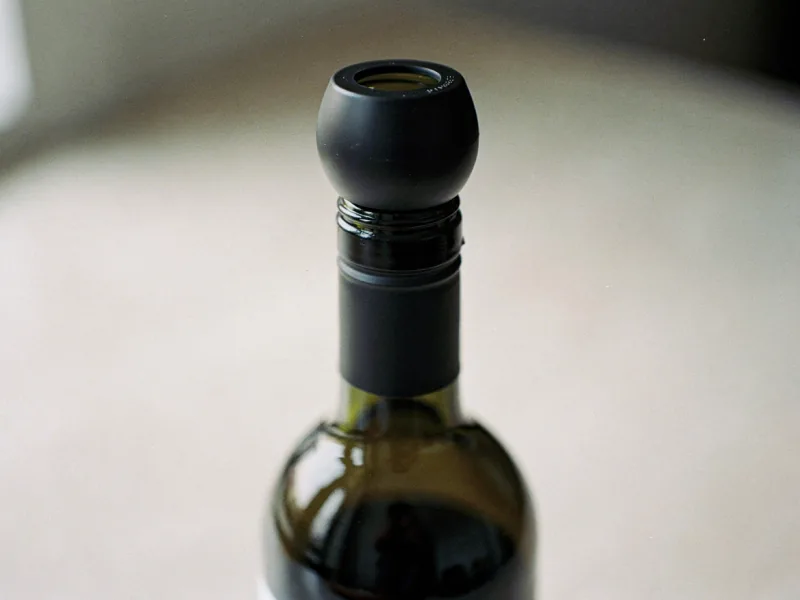
Signs that something's wrong
Cloudiness that wasn't there before. A hiss when opening a still bottle. A sour smell. In all three cases, the contents should be discarded, even if the date is still valid.
Conversely, looking fine doesn't automatically mean it's okay. That's exactly why the producer's guidance comes first, not your own impression.