The short answer
Non-alcoholic wine works well in sauces, risotto, or braised dishes. Try it before cooking: sweetness, acidity, and aroma should suit the dish. Don't blindly copy the wine quantity from a recipe if the new ingredient tastes noticeably different.
What purpose does wine serve in the recipe?
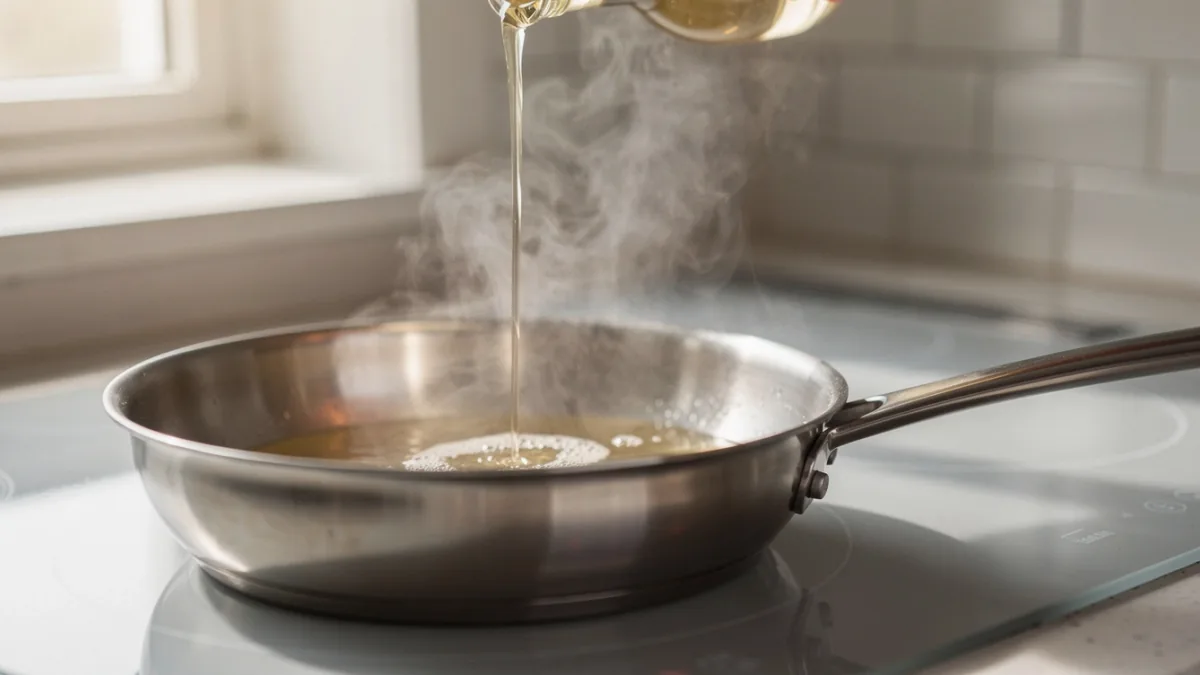
First ask yourself what the wine is actually meant to contribute. Liquid for deglazing—that is, for pouring into the hot pan? Freshness, fruit, or a particular note in the sauce? If it only supplies a small part of the liquid, another solution often works just as well. With a heavily reduced wine sauce, it's the other way around: there, the choice of bottle shapes the result very noticeably.
Use a non-alcoholic wine that you also enjoy on its own. A disruptive off-note won't reliably disappear during cooking. If the sauce reduces, it tends to stand out even more. Also check the alcohol statement if you're preparing the finished dish to a specific requirement.
Checking sweetness before reducing
A sweet-tasting drink changes a savory sauce more than expected. As it reduces, the water evaporates but the sugar stays in the pan. So read the sugar values and taste a small sip. If a recipe reduces a lot of wine, start especially cautiously and taste as you go.
Better to add more gradually than to try balancing out an overly dominant ingredient at the end. Salt or a splash of acidity won't fix a failed balance. Keep a broth suited to the recipe on hand for extra liquid. It shouldn't be too salty, or you'll just create the next problem.
A simple mushroom sauce as an example
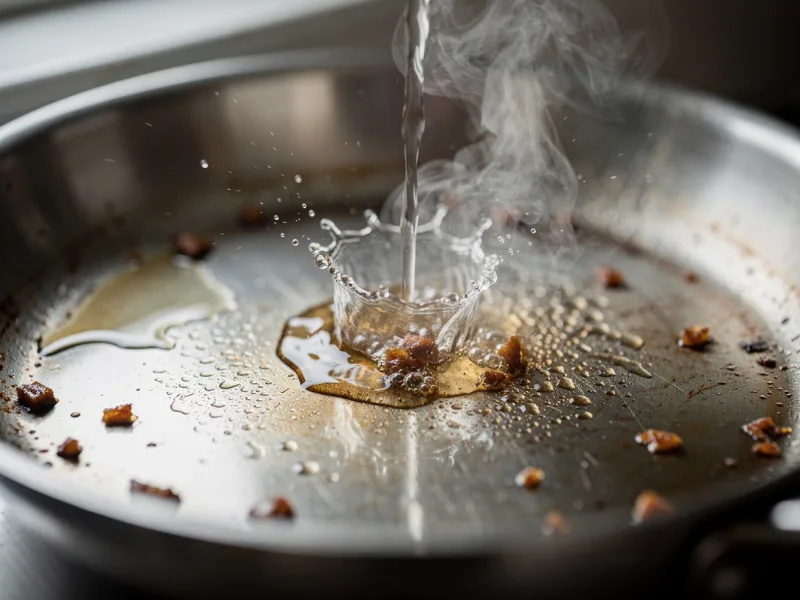
This is an editorial cooking suggestion, not a recipe we've practically tested. Sauté mushrooms and finely chopped onions as usual. For two portions, first deglaze with about 50 milliliters of a not-very-sweet non-alcoholic wine. Stir to loosen the fond—the browned bits stuck to the bottom of the pan. Then add broth gradually.
Taste before each further addition. For a creamy version, add the cream called for in the base recipe, or a plant-based alternative. Only then decide whether freshness or seasoning is missing. Starting with a small amount makes the new wine easier to gauge.
Note the bottle and the amount used. If you like the combination, you'll have a useful basis next time. “Some non-alcoholic wine or other,” on the other hand, isn't a memory you can build on.
What can be used instead of non-alcoholic wine?
If the wine flavor doesn't matter to you, start with a broth suited to the dish. Add the desired freshness afterward, carefully and separately. A little lemon juice can suit a light-colored sauce. Start drop by drop and taste after each step. Acidity can't be taken back once it's in.
Grape juice isn't a neutral swap. It brings its own sweetness along. Check it before using the same amount as wine. A water-juice mixture is also its own ingredient and needs tasting. With vinegar or other alternatives, ingredient and alcohol statements should factor into your choice too, if strict requirements apply.
Doesn't alcohol simply evaporate completely from regular wine?
Heating doesn't guarantee complete removal. The USDA's nutrient retention factor tables document remaining alcohol across different preparation methods. How much is left therefore depends on how it's prepared. “It all cooks off anyway” isn't a solid justification for every situation.
Choose ingredients from the start based on your guests' requirements. Even a wine labeled non-alcoholic isn't automatically analytically zero. If you want to use a leftover bit of an open bottle, also check its storage and the manufacturer's stated timeframe. A leftover that's been open too long doesn't belong in the sauce.