The short answer
Which alcohol-free wine you'll enjoy depends on your own taste and on the occasion. When tasting, break the impression down into four parts: sweetness, acidity, aroma, and mouthfeel. Judge each part on its own. Grape variety, a high price, or an elaborate production process don't, on their own, predict which bottle you'll like.
Why it can taste different
Alcohol changes how a drink feels in the mouth and how strongly you perceive its aromas. Without it, acidity and tannins stand out differently. Tannins are the compounds that make your mouth feel furry and dry. Some producers balance this out with a bit of sweetness. That's not required, though — every product is tuned differently.
“Tastes just like regular wine” is therefore a poor benchmark. It measures the drink against something it simply can't be. Two other questions will get you further. Does the glass feel balanced to me? And does it suit the occasion I bought it for?
You can start with these four directions
For every preference, there's a sensible comparison and a question that genuinely helps. We haven't tasted these products ourselves, and these suggestions aren't a guarantee for individual grape varieties either.
Always set two bottles side by side, never just one. Only the contrast shows you what you actually like. A single bottle quickly seems “perfectly fine,” and you learn nothing from that for your next purchase.
| You like … | What you could compare | The key question |
|---|---|---|
| fresh, aromatic drinks | Two aromatic white wines | Do you still like the acidity after swallowing? |
| a lively glass for a toast | Two sparkling variants | Is the perlage pleasant or too sharp? |
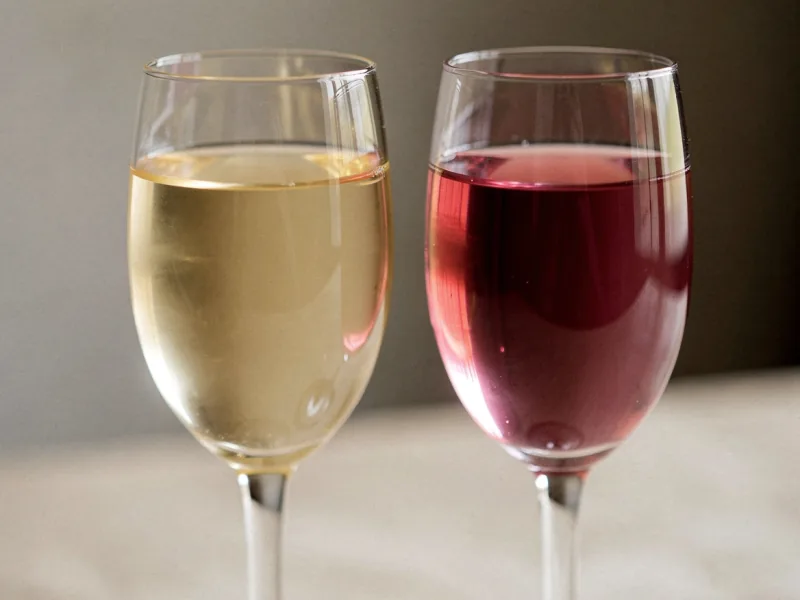
| red fruit and a light style | Rosé and light red wine | Does sweetness or a rough mouthfeel bother me? |
| low sweetness | Products with different sugar levels | Does the balance work, not just the smaller number? |
A small sample tells you more than ten marketing words
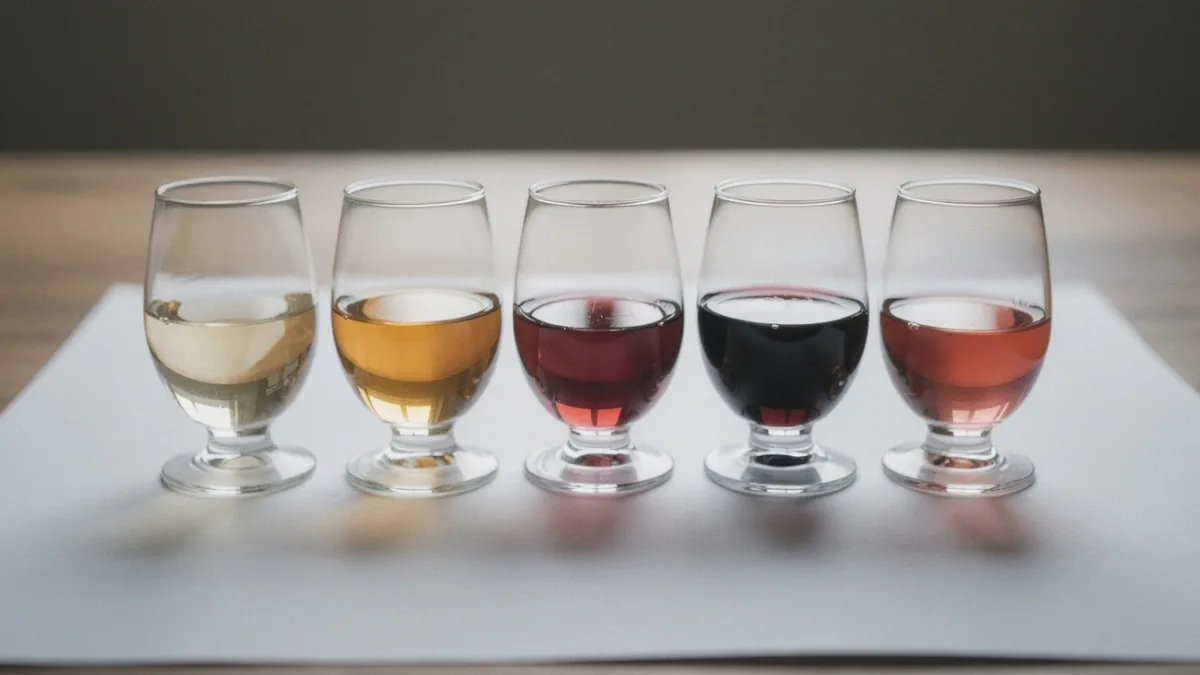
Pour two small portions into identical glasses. Both should be at the temperature the producer recommends. Don't read the flavor description yet. Smell first: Is the aroma pleasant to you? Then take a sip. Does it come across sweet, fresh, or bitter? And is there an aftertaste that bothers you?
Write one sentence for each glass. “Nice aroma, good with food, a bit sweet on its own” helps you more than a made-up score. Drink some water in between. Then try both glasses again with the same bite of food. That way you'll notice if a bottle mainly shines at the table.
Before placing a larger order, this kind of comparison with individual bottles is worth it. Two samples are finished faster than a case that then just sits there. You can judge price and attractive packaging afterward. They don't replace the tasting.
Be more specific about what bothers you
“Too sweet” leads to a completely different next bottle than “too sour.” “Thin” usually means you're missing body. “Bitter” can mean two things: a drying sensation in the mouth, or a bitter aftertaste. First, pin down what you're actually noticing. A vague search for “better wine” won't get you anywhere.
Also check the temperature before writing off a bottle. Take a small portion straight from the fridge. Try the same portion again a few minutes later. Often the same drink tastes noticeably different then. But don't let the whole bottle sit out and warm up for that.
What a credible best-of list would need to deliver
A trustworthy test names the bottles actually tasted, the conditions, and the criteria used. Without this information, the ranking is just pieced together from product descriptions. Without an actual tasting, no reliable ranking can emerge. Our guidance therefore starts with your decision: the style you want, comparable information, a small sample, a useful note.
If you pass along a recommendation, mention the occasion too. “We liked this with a mushroom dish” tells you more than “best alcohol-free wine.” It also helps you when you buy again. Next time, a different meal might be on the table, and then a different bottle might be the better fit.