The short answer
Behind the search for “non-alcoholic sparkling wine” lie many very different fizzy products. Compare the exact designation, the alcohol statement, and the sweetness. In the end, only one thing matters for enjoyment: whether the aroma, freshness, and carbonation come together to please you.
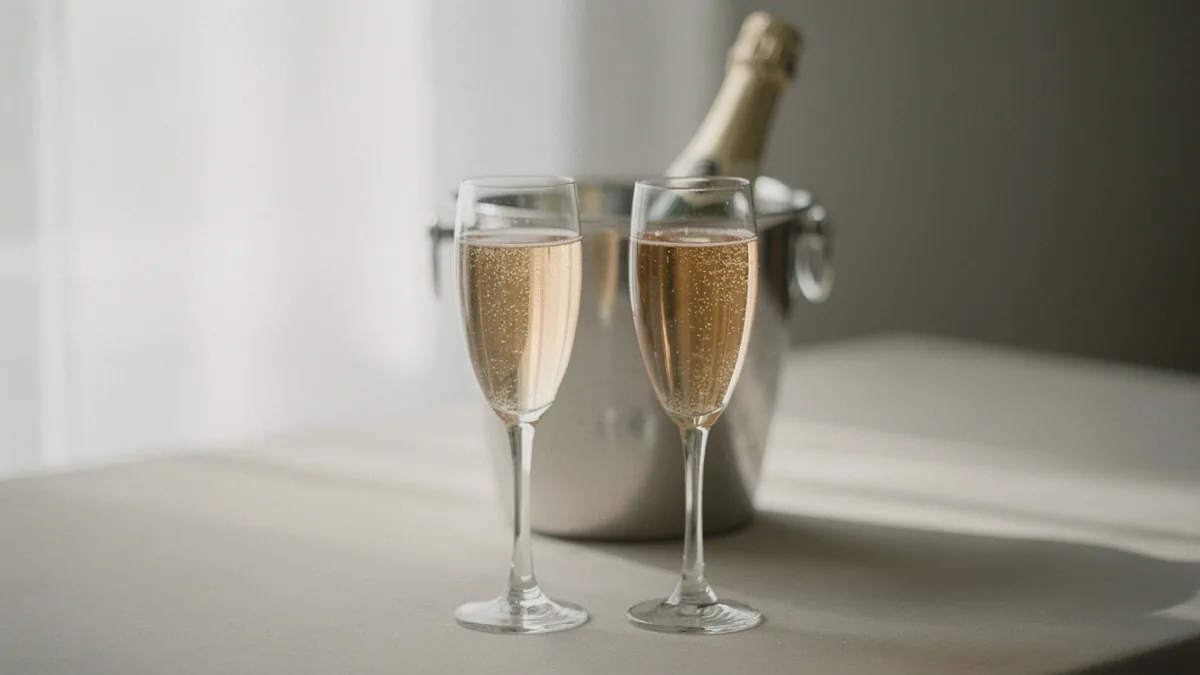
What's actually stated on the bottle?
In stores, the search term “non-alcoholic sparkling wine” covers several different product types. So read the legal product designation—the label that legally categorizes the product. Kolonne Null, for example, names its own sparkling variants as dealcoholized sparkling wine with added carbon dioxide. A sparkling grape drink may be composed differently.
This isn't a quality ranking. The designation mainly helps you find your way back to a product. And it keeps you from accidentally treating two very different offerings as the same thing. If the production method matters to you, ask specifically at the store.
Why sparkling varieties are a style of their own
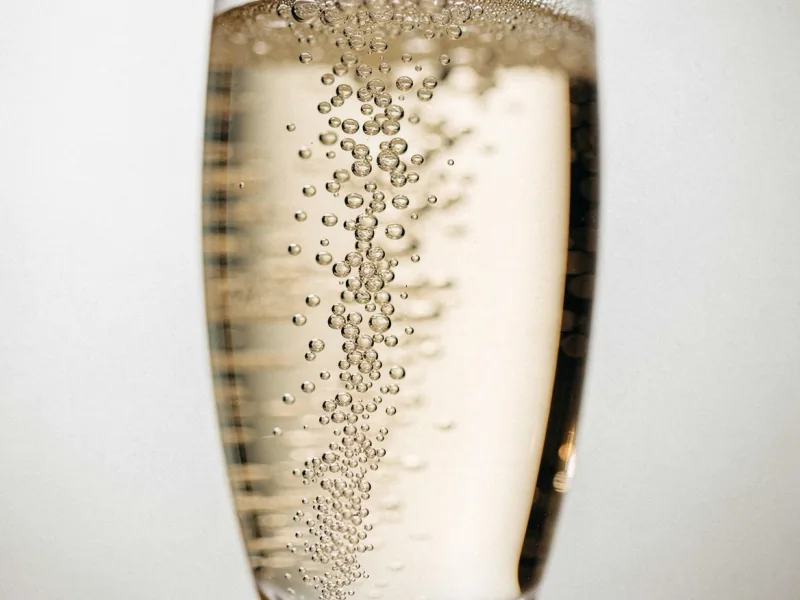
Carbonation accounts for a large part of the mouth impression. It fizzes on the tongue and makes the drink feel fresher. Still, that doesn't make it an identical copy of a classic sparkling wine. How fresh, sweet, or pleasantly lively it comes across depends on the overall balance.
For a first comparison, pick two clearly different sweetness levels. Two nearly identical marketing descriptions, on the other hand, won't tell you much. Taste both properly chilled. Pay attention to the aftertaste too, not just the first bubbles.
Which variety suits your occasion?
For an aperitif—the glass before the meal—I'd first try a less sweet-tasting variety. A different style may suit a fruity dessert better. These are recommendations for choosing, not blanket rules for every bottle.
What you should clarify before buying depends on the occasion: sweetness for an aperitif, alcohol content for many guests, and bottle size for just two glasses.
| Occasion | To clarify before buying |
|---|---|
| Aperitif before the meal | How sweet should the drink taste? |
| Toast with many guests | What alcohol content do the guests want? |
| Accompanying a dessert | Does the sweetness suit the finished dessert? |
| Just one or two glasses | Is there a suitable small format? |
Chilling, opening, and pouring
Follow the temperature stated on the bottle. Open it carefully and hold the cork or cap firmly. Never point the bottle at people, even as a joke. Pour only a little at first. That way, no overflowing glass dictates the pace of the pour.
For a party, calculate based on the portion size you're actually planning. From 750 milliliters, for example, you get six glasses of 125 milliliters each. That's purely a quantity calculation—it doesn't say how much anyone should drink. Have water and other requested drinks ready.
Open further bottles only when they're needed. Store opened bottles according to the manufacturer's instructions and use them within the stated timeframe. Carbonation fades after opening, and a flat bottle won't become fizzy again.
Non-alcoholic doesn't automatically mean 0.0 or sugar-free
Read the alcohol statement and the nutritional information separately, since they describe different things. If you're buying for others, ask which criterion actually matters to them. A big zero in the product name doesn't answer that question. Even within one product range, the figures can differ.
For a price comparison, calculate the price per liter. Factor in how much you'll actually need. A large bottle with a lower price per liter is no bargain if the rest regularly goes to waste. The cheapest liter is the one you actually drink.