The short answer
Non-alcoholic red wine can differ significantly from alcoholic red wine in body, sweetness, and tannin. Choose based on the finished taste. Stick to the manufacturer's temperature recommendation—room temperature isn't a reliable guideline here.
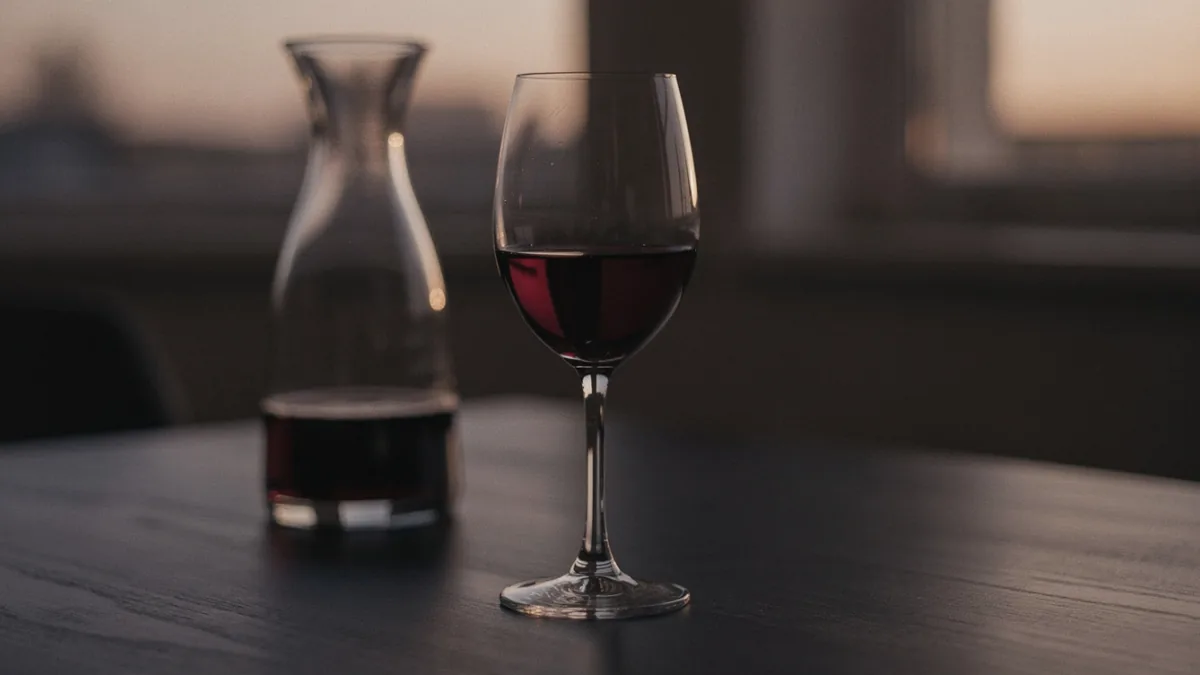
Why expectations for bold red wine often don't fit
Alcohol contributes a great deal to red wine: body, warmth, and weight in the mouth. Remove it, and the mouthfeel changes. Tannins—that furry, dry sensation on the tongue—feel different within the new balance. If you're expecting a heavy, warming red wine, a dealcoholized version can easily seem thin. That's not yet a verdict on the drink itself.
Specific questions help with the selection. Are you after red fruit, spice, or as little sweetness as possible? Should the bottle stand on its own, or suit a particular dish? A familiar grape variety name answers none of these. It only tells you which grape was used.
Bitter, sour, or sweet: what actually bothers you?
Try a small portion and first describe your impression in words. “Puckers in the mouth” is something quite different from “tastes sour.” And “smells fruity” doesn't necessarily mean “tastes sweet.” The nose picks up on the fruit, the tongue on the sugar. This distinction saves you from asking about the wrong characteristic on your next purchase.
If a variety seems too sweet to you, compare the sugar values on your next purchase too. If a rough impression bothers you most, look specifically for a lighter style with less tannin. Then try it with the intended meal. Tasted alone and tasted with food can produce two very different verdicts.
Which serving temperature suits it?
The famous room temperature doesn't help here. A blanket recommendation of 18°C makes no sense for non-alcoholic red wine. Carl Jung, for example, states 8 to 10°C for its Merlot in the data sheet. That figure applies to this exact product. It doesn't establish a new rule for all non-alcoholic red wines.
Start with the recommendation on your bottle. Pour a small sample and try it again a bit later, as it gradually warms in the glass. Note when you like it best. This way you'll find your own serving style, without leaving the whole bottle unchilled for too long.
Which foods are worth trying it with?
Fried mushrooms, a lentil dish with roasted flavors, or roasted vegetables are good tasting ideas. These are individual suggestions, not jointly tested pairings. Sauce and seasoning remain decisive. A strongly sweet barbecue dish is a completely different challenge than mild mushrooms with herbs.
Always compare with a full bite. Does the wine become more pleasant alongside it? Or does its sweetness or bitterness stand out unpleasantly right at that moment? Note the dish alongside the bottle. A successful pairing can only be repeated if you know both halves.
Is decanting or long aging worth it?
Don't simply carry over the rituals for classic red wine. For a first try, you need neither a carafe nor long aeration. Decanting means pouring the wine into a wider vessel to let it breathe. A clean small sample at the right temperature already shows you whether you generally like the style.
Also don't treat the bottle like a wine meant for years of aging. Follow the best-before date and storage instructions. Once opened, the manufacturer's stated timeframe applies. A deep, dark color is no promise of long shelf life.