The short answer
It starts as a completely normal wine. It ferments fully first: yeast converts the sugar in the grapes into alcohol. Only afterward does the producer remove the alcohol again, usually under vacuum or through a fine membrane. The real challenge lies in preserving the flavor in the process.
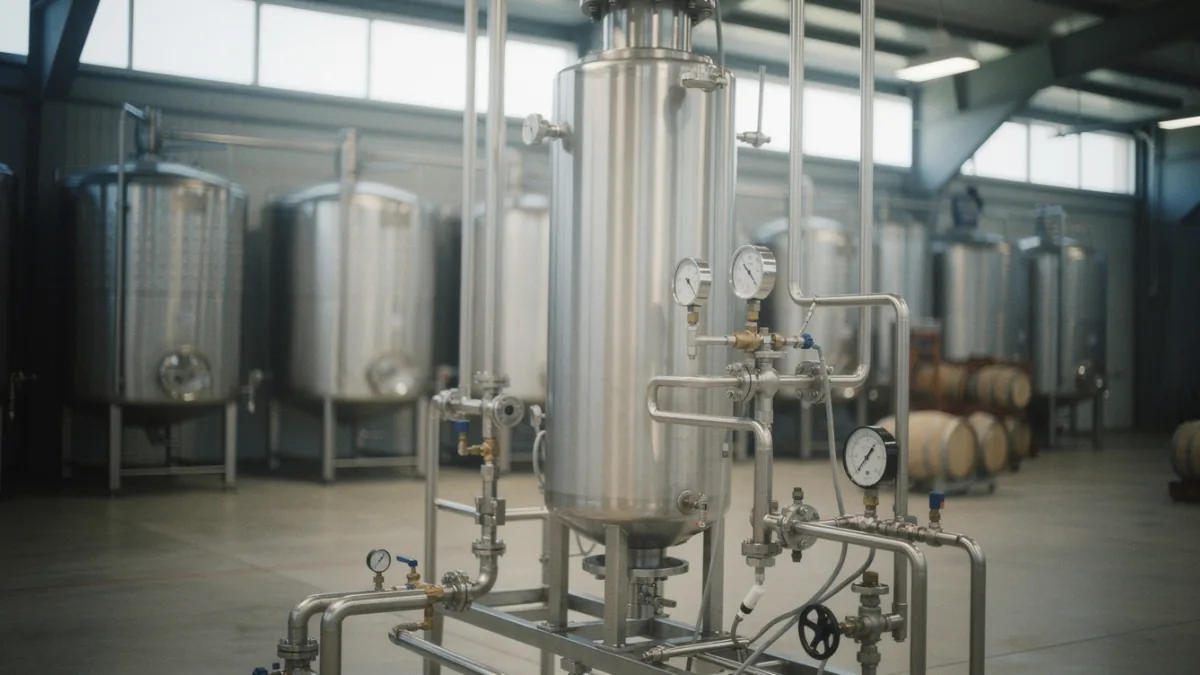
It starts with a fermented wine
The wine that everything begins with determines the final flavor. The International Organisation of Vine and Wine (OIV) names several methods for removing alcohol: vacuum processes, membranes, and distillation. Combinations of these are also possible. One condition always applies: removing the alcohol must not mask flaws in the base wine. A weak wine doesn't turn into a good alcohol-free one.
Many bottles state “made from wine.” This distinguishes the drink from grape juice, which never fermented. That doesn't mean it tastes the same. Alcohol in the glass is more than just alcohol: it carries aromatic compounds and gives the wine body. Remove it, and the whole balance shifts.
Under vacuum: alcohol evaporates even at low heat
Alcohol evaporates before water does. Lower the pressure in a sealed vessel, and it evaporates even earlier. That's exactly what the vacuum process exploits. The wine doesn't need to get hot for this. Gentle systems, for example, work around 30°C (86°F). That's an example of careful handling, not a fixed temperature for every system and every bottle. High heat costs aroma, which is why this workaround exists.
That said, this tells you little at the point of purchase. A mention of low temperatures explains a step in the production process. It doesn't prove that all the aromas were preserved. And it says nothing at all about whether you'll enjoy the drink. Judge the result in the glass, not the technique on the label.
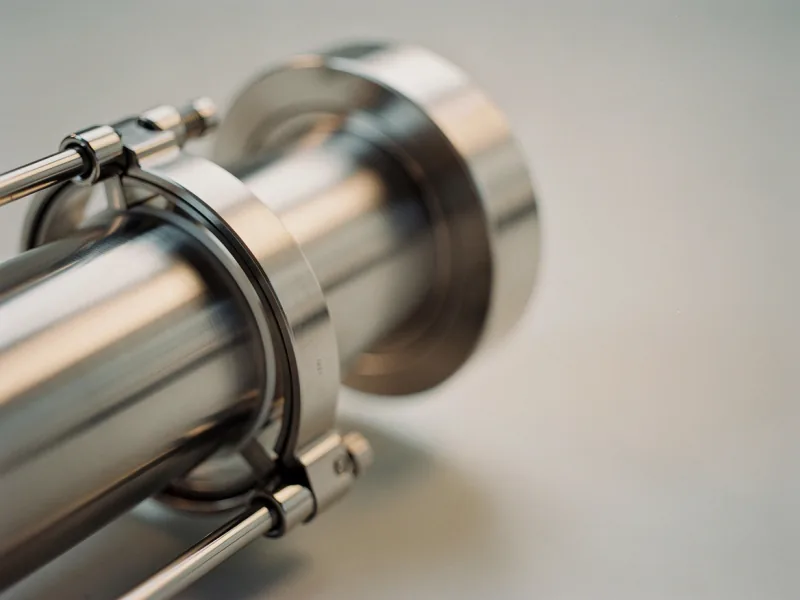
Membranes and spinning cone columns
In reverse osmosis, a pump forces the wine against a very fine membrane — essentially a kind of filter skin. Simplified, a concentrated portion stays behind. A thin fraction of water and alcohol passes through the membrane. The producer separates the alcohol from this thin fraction, then recombines everything. So the membrane isn't a sieve that fishes out only the alcohol.
The spinning cone column also works under vacuum. The name describes its design: a tower with rotating cones over which the wine flows in a thin film. In several stages, the producer captures volatile aroma compounds and reintroduces them later. This, too, is about controlled separation. It's not a promise that every aroma stays unchanged.
The final blend matters just as much
Removing the alcohol isn't the end of the work. Afterward, the producer fine-tunes the drink. Kolonne Null explains, for its own products, the use of grape must concentrate for added body. Grape must concentrate is thickened grape juice. Body means the sip feels fuller and less watery. What this particular producer does isn't standard practice for everyone.
So also check the ingredient list and the nutritional information. Two bottles from the same process can taste quite different in sweetness, freshness, or fullness. “Vacuum-distilled” isn't a flavor. That descriptor says as little about taste as “baked in an oven” says about a cake.
Which questions help when shopping
First, clarify the style you want. Still or sparkling? Noticeably sweet or more restrained? More fruit or more spice? Questions like these get you to the right bottle faster than any description of the production method. The method is only worth a look afterward, if the technical side interests you.
If a description promises “no loss of aroma,” a taste will tell you more than the marketing claim. When tasting, pay attention to whether the aroma and the flavor match up. Some bottles smell bold but taste short and thin. This difference is noticeable even without any prior knowledge. You don't need to know the equipment used or assign a score for that.