The short answer
At the barbecue, roasted aromas, marinades, and dips often matter more than the main ingredient. Plan around the actual food and your guests' preferences.
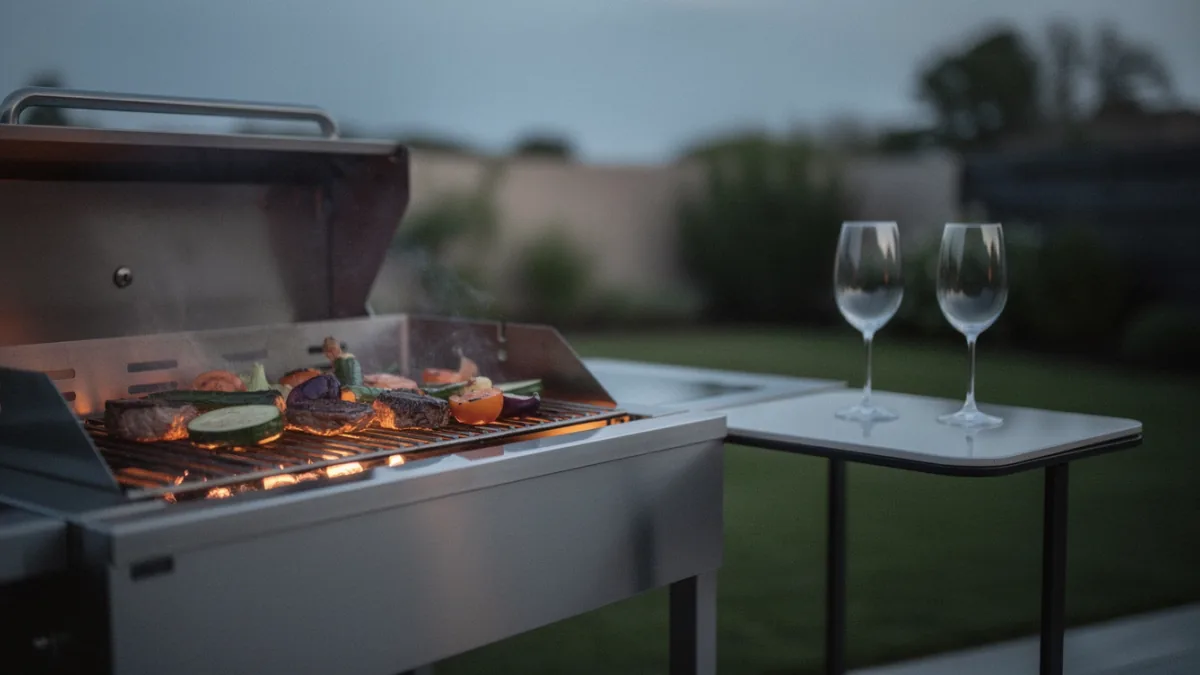
Marinade and dip play a part too
A sweet glaze, a spicy chili sauce, and mild herb butter are three different accompaniments to the same grilled item. With more heavily roasted dishes, I'd try a slightly fuller wine. With gently grilled vegetables, something fresher. The preparation is what matters most when choosing.
The grilled item itself is often the least noticeable part of the plate. A chicken breast with honey glaze and the same chicken breast with lemon and herb oil taste different enough to pull the wine choice in different directions. So don't look at the type of meat, but at the bowl of marinade and the dips beside it.
Sweet glazes pair well with a wine that has clear fruit. A very dry, austere wine tends to feel harsh next to them. With spicy sauces, a chilled wine with restrained alcohol helps, since heat and high alcohol reinforce each other in the mouth. Mild herb butter needs the least resistance. Here the wine can stay quiet, or it will drown out the food.
A practical selection for the table
As an easy starting point, offer an approachable white wine and a red that isn't too tannic. Include a deliberately chosen non-alcoholic option too. There's no need to open a separate bottle for every skewer.
Keep the bottles shaded and at the right temperature. A sunny terrace is not a suitable place for red wine. Ask in advance what people will be drinking, and don't plan around supposedly fixed quantities per person. In the end, what matters is that the food and the guests fit together. The drinks selection can stay small.
Two open bottles and a jug of something non-alcoholic are enough for most barbecue evenings. The benefit isn't only in the shopping. With fewer options, people are more likely to try both with the same plate and notice for themselves which pairing works. Keep the backup bottles cool and only bring them out once the first one is truly empty.
Think about the glasses before you think about the grape varieties. Outdoors, one type of glass for everyone is enough, as long as it doesn't tip over in the wind. The non-alcoholic option deserves the same attention as the wine. Something with acidity or herbal spice holds up better against roasted aromas than a purely sweet soda.
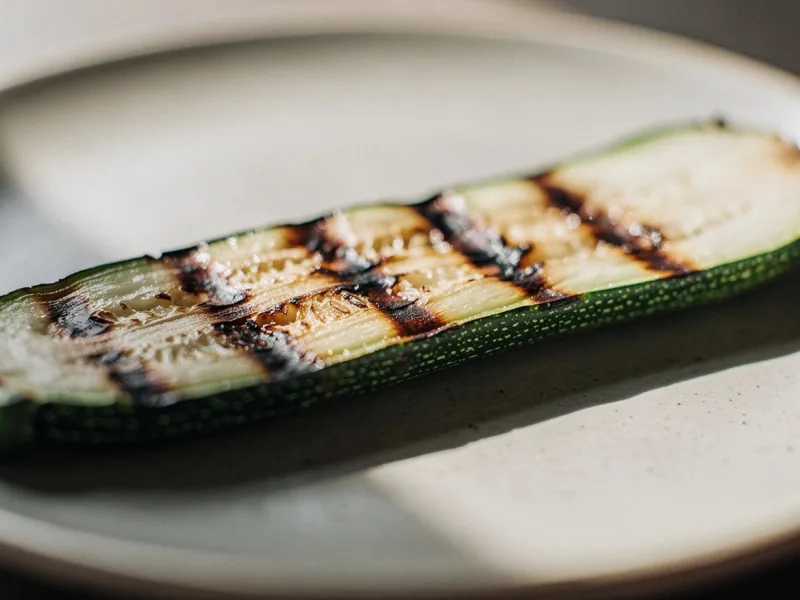
Which wine for which preparation of grilled food?
Three typical barbecue situations, each with a wine style to try and the reasoning behind it. The reasoning is the useful part: with it, you can apply the principle to dishes that don't appear here at all. Marinade, roasted crust, and heat remain three separate considerations.
| On the plate | Suggestion to try | What matters here |
|---|---|---|
| Herbs and mild vegetables | Fresh white wine or rosé | Include dips and marinade in the test. |
| Bold roasted aromas | A wine with matching intensity | Body alone won't tame a very sweet sauce. |
| Spicy marinade | Restrained alcohol warmth and tannins | Plan a non-alcoholic option with equal care. |
Barbecuing is more than just meat
The best-known rule is that red wine belongs with meat. At the barbecue, it carries little weight, since preparation plays a role too. Gently grilled vegetables and a heavily seared steak are further apart than chicken and pork. Conversely, a white wine with meat isn't a mistake either, as long as the marinade and dip point in the same direction.
A second misconception concerns temperature. Serving red wine at room temperature dates back to times when rooms were cooler. It doesn't mean the sun-warmed terrace. A wine poured too warm comes across as broad and alcoholic, especially next to spicy sauces. Chill it briefly beforehand and only bring it outside once the food is ready.
Three glasses side by side at the barbecue
For your own comparison, at the next barbecue evening pour both open wines into glasses at the same time. Take the same bite twice: once with the white wine, once with the red. The difference becomes especially clear with a spicy dip and heavily roasted crusts. Whatever you notice, carry it with you to your next shopping trip.
A second round is worth doing with the same wine and two different plates. Grilled vegetables with herb oil and a piece of meat with a sweet glaze are enough for this. The same sip can taste almost unrecognizable next to each. Note your impression in one sentence while it's still on your palate.