Skip to content
Gustofolio
Knowledge HubProducersMeet & TasteEvents
CaptureCollectionTasteEnjoyShare
Roadmap
Knowledge HubProducersMeet & TasteEvents
CaptureCollectionTasteEnjoyShare
Beta roadmapCreate account
Legal NoticePrivacy
ENSign inCreate account
Drinks EncyclopediaLexiconKnowledge JourneysJourneysTopic WorldsTopicsAll ArticlesArticlesCocktail RecipesCocktailsRecipes with drinksRecipes
Encyclopedia/Wine Knowledge

Ratgeber · 4 min read

Wine tasting at home: how to plan the evening

Planning a wine tasting or a beer and whisky tasting at home: how many samples, which order, which amounts and what belongs on the table.

As of: 5 November 2026

In this article
  1. Choosing a theme for the evening
  2. How many samples and what amounts
  3. The right order
  4. Temperature, glasses, water and bread
  5. Taking notes: with a rating sheet or an app
  6. Tasting blind
  7. Snacks: what works and what gets in the way
  8. Enjoying responsibly
  9. Inviting guests with Gustofolio

The short answer

For a wine tasting at home, four to six wines, one glass per guest, water, bread and a fixed order are enough: light before full-bodied, dry before sweet, young before old. Plan a small sip per sample instead of a full glass and give everyone the same questions to note. The same pattern works for a beer, gin or whisky tasting.
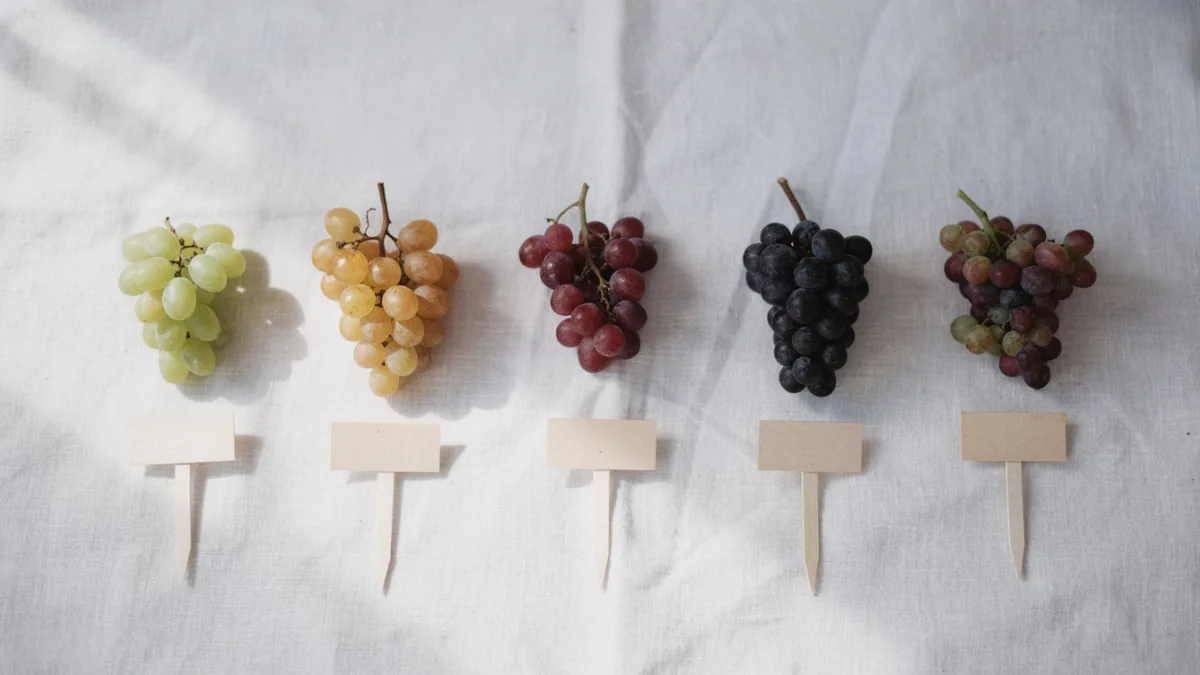
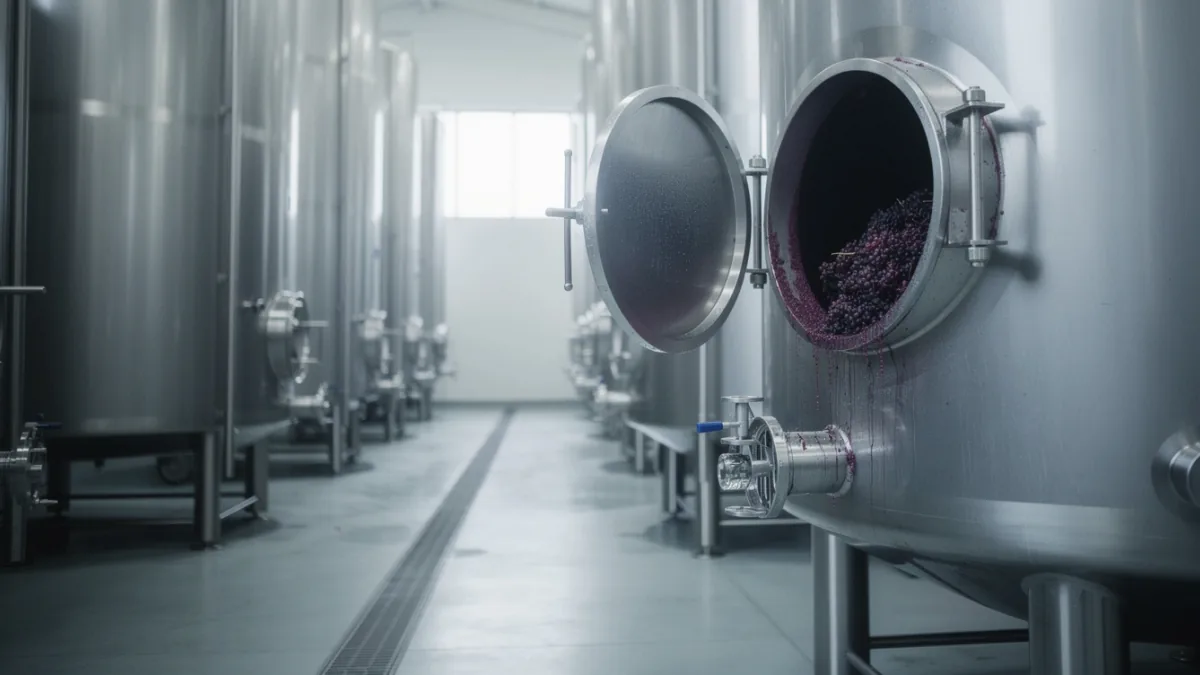
Wine tasting at home: how to plan the evening — image for the topic Wine Knowledge

Choosing a theme for the evening

A wine tasting becomes more interesting when the wines have something in common. You can taste one grape variety from different countries, such as Riesling from the Palatinate, Alsace and Austria. Or one region with different varieties. Or the same wine from several vintages, which is called a vertical.

With beer the same works with styles, such as three pilsners and three IPAs, or with a region. With whisky, regions work well, or the question of what a sherry cask changes compared with a bourbon cask.

How many samples and what amounts

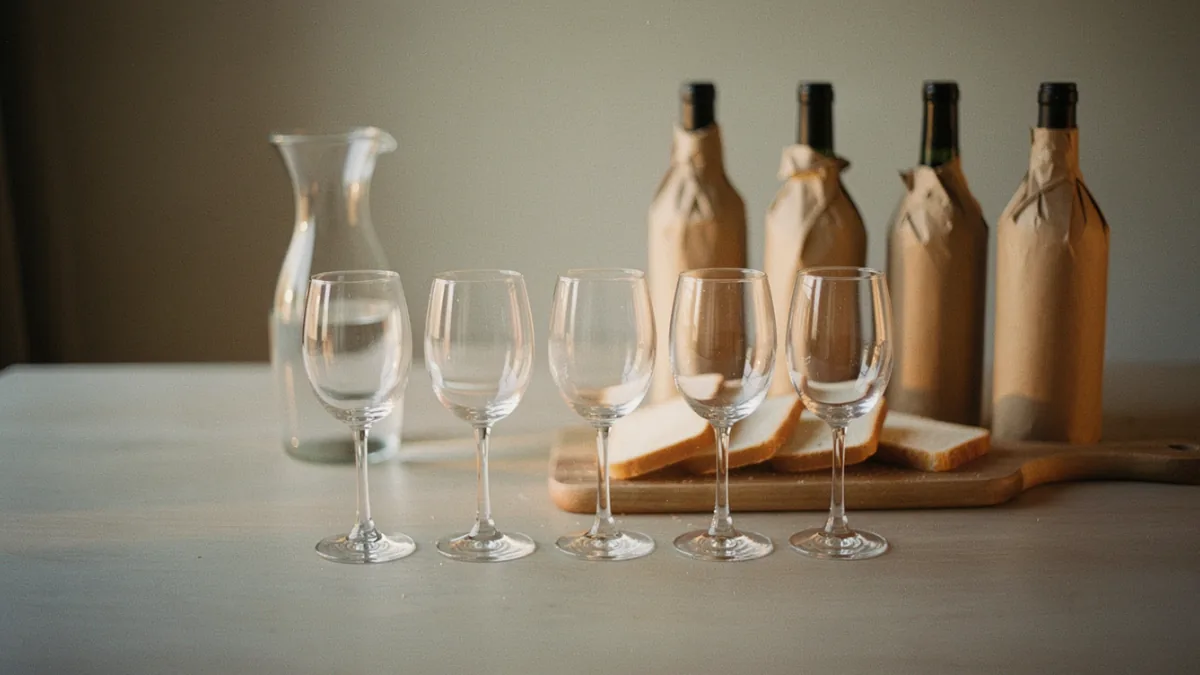
More than six samples overwhelm most noses, especially with strong drinks. Better plan small sips and leave time in between. The table gives guide values for one sample per person.
Wine Knowledge: How many samples and what amounts
How many samples and what amounts
DrinkSamples per eveningAmount per sampleOne bottle is enough for
Wine4 to 6about 5 cl0.75 l for about 15 samples
Beer4 to 6about 10 cl0.33 l for about 3 samples
Whisky3 to 5about 2 cl0.7 l for about 35 samples
Gin neat3 to 5about 2 cl, then with tonic0.7 l for about 35 samples

The right order

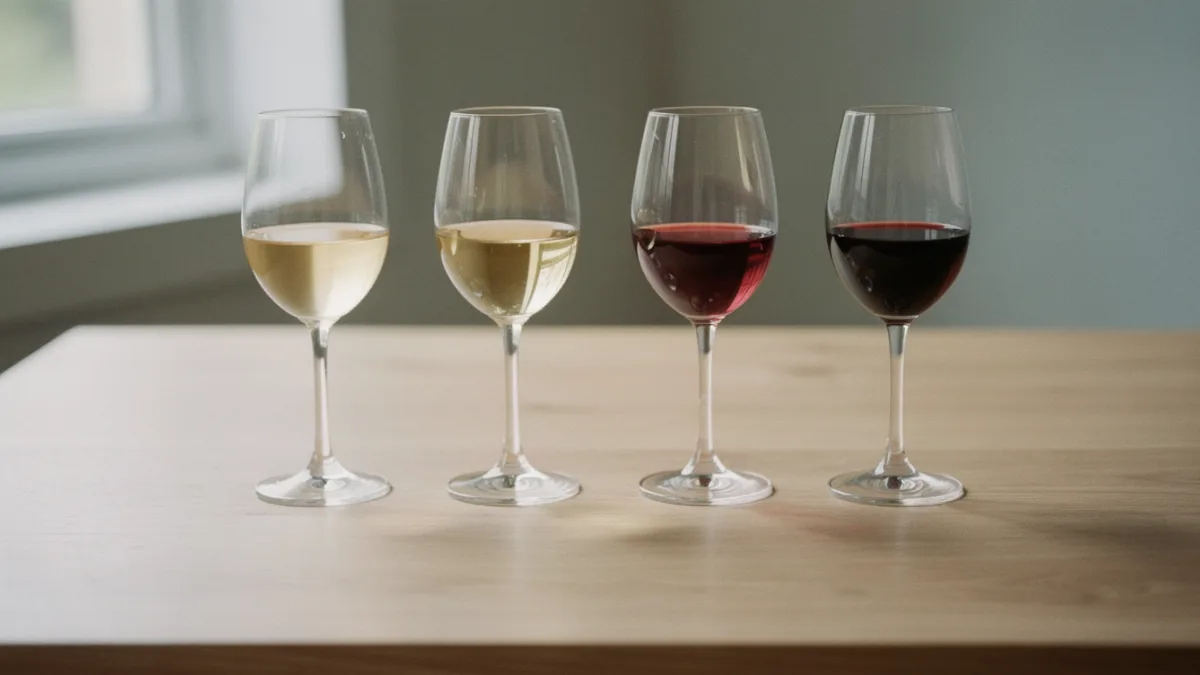
The order decides whether the last sample still stands a chance. With wine you start with sparkling wine, move from light to full-bodied whites, then rosé, then from light to full-bodied reds. Sweet wines come last, because sweetness makes everything after it seem sour and thin.

With beer: pale and light before dark and strong, low bitterness before high bitterness. Sour beers and smoked beers come at the end. With whisky you go from mild to smoky and from lower to higher strength.

  1. Sparkling wine and light white wines
  2. Full-bodied white wines and rosé
  3. Light red wines
  4. Full-bodied red wines
  5. Sweet and noble sweet wines

Temperature, glasses, water and bread

White wine tastes best at about 8 to 12 degrees Celsius, red wine at 14 to 18 degrees. Too cold swallows aromas, too warm makes the alcohol loud. Beer should not be ice cold but, depending on the style, between 6 and 12 degrees.

One good glass per person is enough if you rinse it with a little water in between. Still water and neutral white bread belong on the table. A spittoon is not rude but sensible with many samples.

  • The right serving temperature
  • Wine glasses: which glass for what

Taking notes: with a rating sheet or an app

Give all guests the same questions. The easiest is a rating sheet with five fields: appearance, nose, palate, finish and verdict. Everyone notes their own impression first, then you compare.

If you like, enter the impressions into a tasting app afterwards. Then you still know a year later which wine won that evening and why.

  • Rating sheet for wine, beer and whisky
  • The best tasting app

Tasting blind

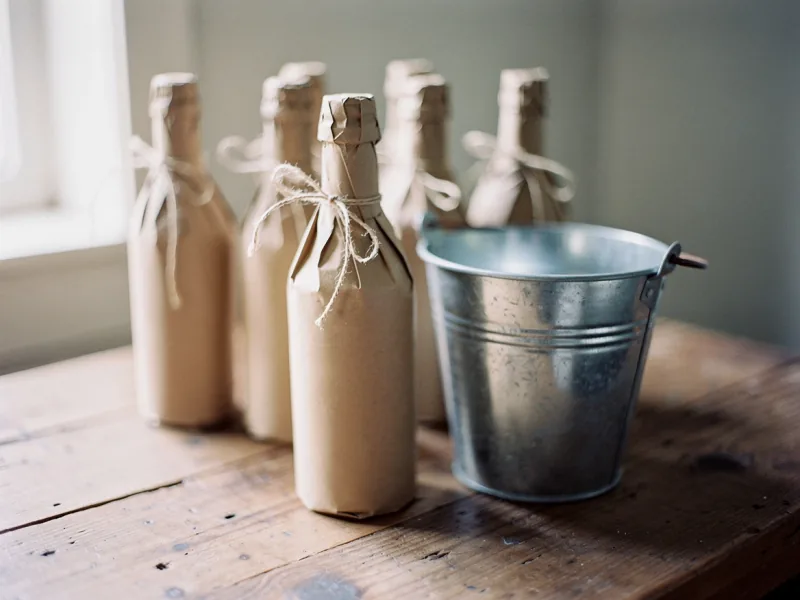
A blind tasting makes any evening more exciting. Wrap the bottles in paper or put them in bags and number them. Then only what is in the glass counts, not the label or the price.

Reveal the bottles only once everyone has taken notes. Sometimes the cheapest wine ends up in front.

Snacks: what works and what gets in the way

Neutral bread helps between samples. Cheese, cold cuts and nuts are popular but change the taste: fat and salt make red wine seem softer, sweet things make dry wines taste sour. So it is best to serve food after the actual tasting.

Heavily spiced, hot or very garlicky dishes do not belong in a tasting, because they numb the palate for a while.

  • Which wine goes with cheese?

Enjoying responsibly

Even small sips add up. Provide plenty of water, offer an alcohol-free alternative and settle beforehand how everyone gets home. A tasting is an evening for tasting, not for a drinking contest.

  • Alcohol-free wine

Inviting guests with Gustofolio

Under Meet & Taste you create a meetup in Gustofolio: with title, date, drinks and place. A private meetup can only be seen with the invitation link you send to your guests. Whoever accepts sees the exact address and the group chat.

After the evening, everyone rates the samples in their own collection. That way Gustofolio also learns from your tasting what you like.
  • Finding a tasting near you

Continue from here

You might also like this.

  • Tasting Wine: A Guide Without the Jargon

    Look, smell, taste, and note down your own impression. That's how a wine tasting stops feeling like a vocabulary test.

    Read more ↗
  • Rating sheet: how to rate wine, beer and whisky

    A simple rating sheet for wine, beer and whisky: which fields matter, how to describe aromas and how to compare your ratings later on.

    Read more ↗
  • The best tasting app: keep track of your tastings

    With a tasting app you log wine, beer, whisky and gin, get to know your taste and find tastings near you. What really matters when you choose one.

    Read more ↗
  • A home whisky tasting: a sensible approach

    Setting up a whisky tasting at home: choosing samples, deciding the order, and comparing aroma, flavor, and the effect of water.

    Read more ↗
  • Tasting beer: describing aroma, body, and bitterness separately

    A quick method for better notes of your own, instead of a single star rating.

    Read more ↗
  • Which Wine Glass Do You Really Need?

    A decent glass is enough to start with. What to look for in shape, cleanliness, and pour size.

    Read more ↗
  • What Serving Temperature Suits Your Wine?

    Why red wine shouldn't be warm and white wine shouldn't be ice-cold: practical guidance for serving.

    Read more ↗
  • Wine, whisky and gin tastings near you: how to find them

    Where to find wine, whisky, gin and beer tastings near you: at wineries, breweries and distilleries, at fairs and on Meet & Taste.

    Read more ↗

More in the encyclopedia

Understanding Wine

  • Which wine suits me? A guide for beginnersWine Knowledge

    Which wine suits me? A guide for beginners

    Which wine suits you? A wine guide for beginners with a taste compass, food-pairing help and tips on serving temperature and glassware.

  • What is wine? From grape to glassWine Knowledge

    What is wine? From grape to glass

    How grape juice becomes wine, and why white wine, red wine, and rosé taste different.

  • What is a grape variety? A simple explanationWine Knowledge

    What is a grape variety? A simple explanation

    Riesling and Merlot are grape varieties. Bordeaux is a region. Here's how to correctly sort out the terms on wine labels.

All articles on Wine Knowledge16
  • Acidity in wine: fresh isn't the same as sour
  • Dry, off-dry, sweet: what do these terms mean?
  • Orange Wine: White Wine With Skin Contact
  • Port wine: understanding Ruby, Tawny, and Vintage
  • Reading a wine label: which details actually help?
  • Sherry: Distinguishing Fino, Amontillado, Oloroso and PX
  • Storing wine properly — even without a cellar of your own
  • Tartrate Crystals in the Bottle: What Are They?
  • Tasting Wine: A Guide Without the Jargon
  • What are tannins? The rough sensation in red wine
  • What is a grape variety? A simple explanation
  • What is wine? From grape to glass
  • What Serving Temperature Suits Your Wine?
  • Which Wine Glass Do You Really Need?
  • Which wine suits me? A guide for beginners
  • Wine, whisky and gin tastings near you: how to find them

Find that one bottle again.

With Gustofolio, you keep track of your drinks and your taste.

Get to know Gustofolio ↗The best tasting app: keep track of your tastings ↗Tastings near you ↗

Images generated with AI · Text AI-assisted, editorially reviewed

Gustofolio
Drinks EncyclopediaCocktail RecipesRecipesProducersTastings near youEventsWine App GuideBeer App GuideWhisky App GuideTasting App GuideBeta RoadmapPrivacy PolicyTerms of UseLegal NoticeContact

May we measure which areas get used?

With Google Analytics and a cookie, without the contents of your collection. You can change this anytime. Privacy policy