Theme · 15 articles
Rum hat viele Seiten
Zuckerrohr, Melasse, Brennverfahren und Reifung. Mehr Orientierung als hell oder dunkel.
Rum hat die schwächsten Regeln aller grossen Spirituosen. Es gibt keine weltweite Mindestreifezeit, keine einheitliche Lesart der Altersangabe und in vielen Herkunftsländern keine Grenze für zugesetzten Zucker. Das macht ihn interessant — und es erklärt, warum im Regal so viel nebeneinandersteht, was kaum vergleichbar ist.
Nützlicher als „hell oder dunkel“ sind drei Fragen: Rohstoff (Melasse oder frischer Zuckerrohrsaft), Brennverfahren (Säulen- oder Pot-Still) und Herkunft. Daraus lässt sich das Profil einer Flasche besser ableiten als aus der Farbe, die ohnehin nachgefärbt sein kann.
Die Artikel erklären diese drei Achsen und sagen, welches Land was geregelt hat.

Your reference guide
What would you like to know?
15 articles to explore · Page 1 of 2
 Rum · 3 min.
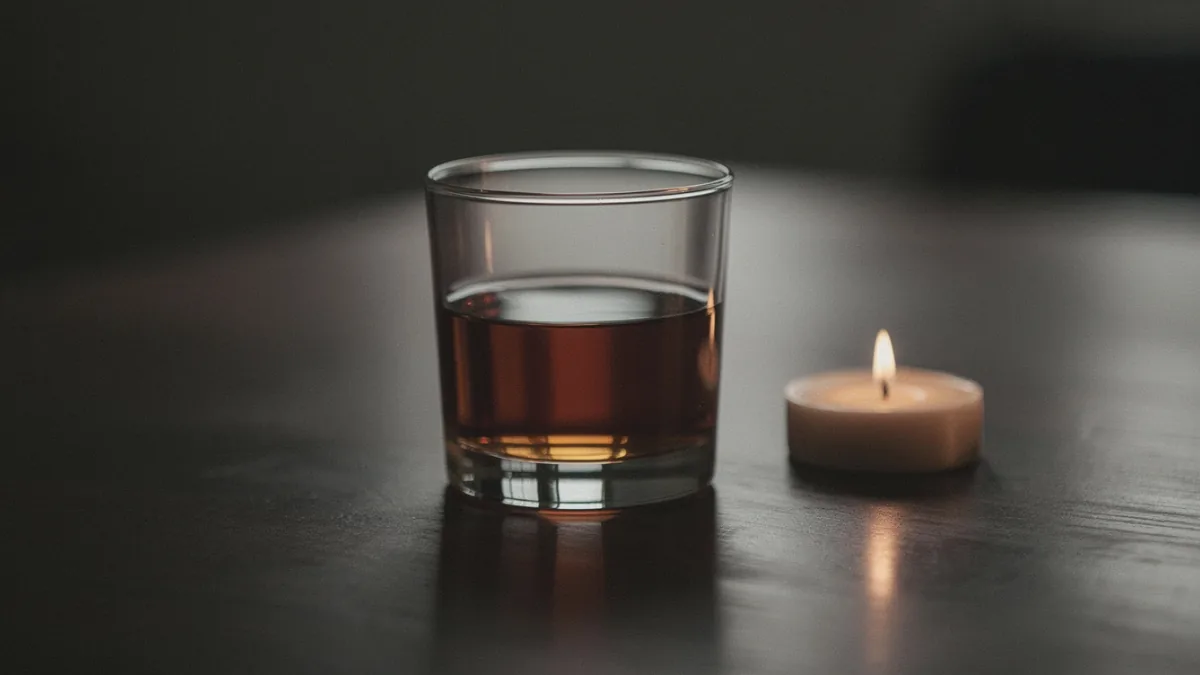
Drinking rum neat: how to get to know a bottling
Tasting rum neat: use glass, temperature, and water deliberately. Describe aroma, mouthfeel, and alcohol warmth separately.
Guide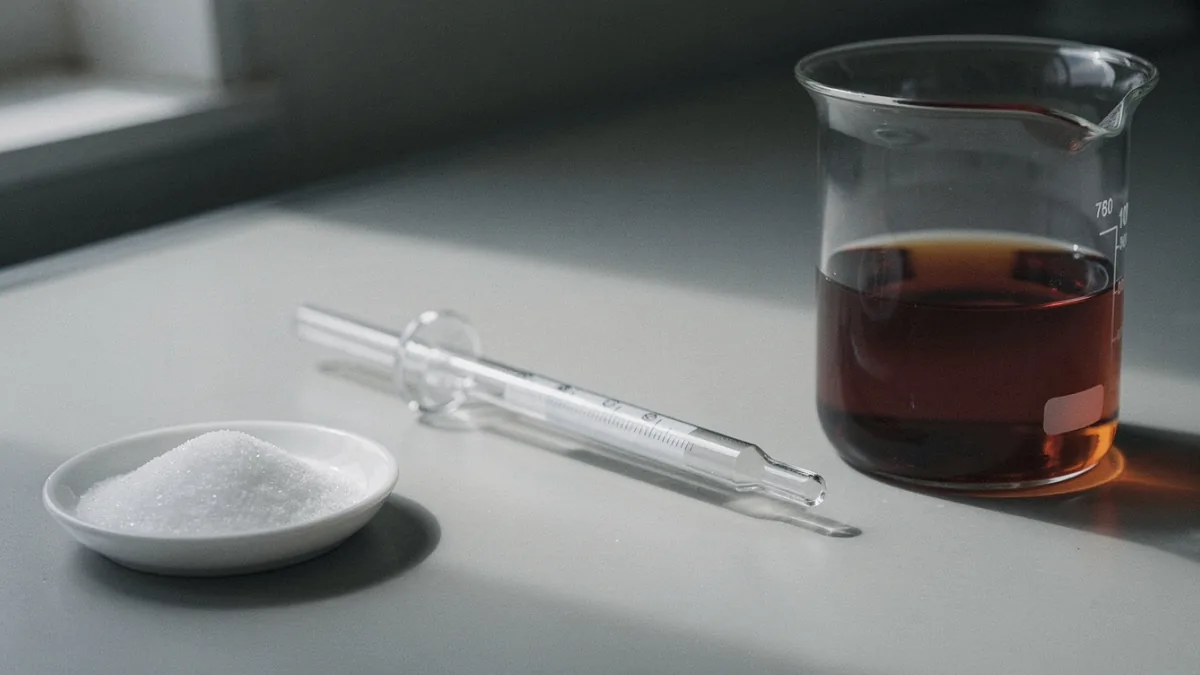 Rum · 3 min.
Is rum always sweet? Separating aroma, sugar, and labeling
Why sugarcane as a raw material tells you nothing about how sweet the rum will taste.
Explained briefly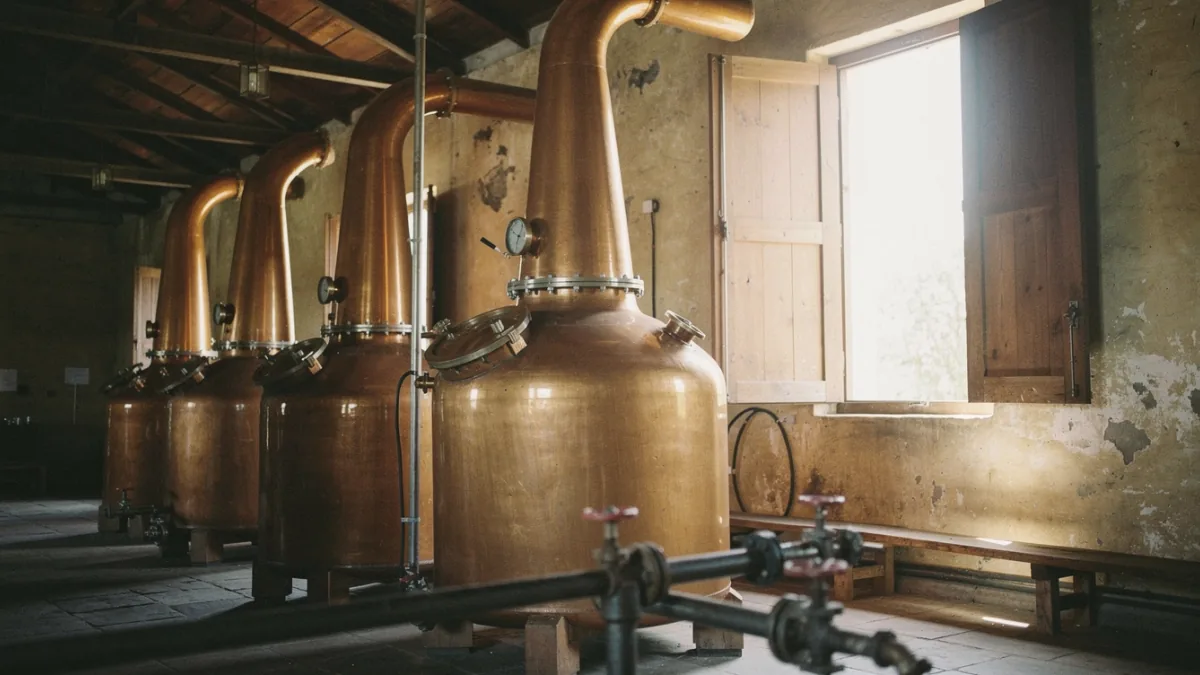 Rum · 3 min.
Jamaican Rum: What Esters and Funk Mean
Jamaican rum, esters, and funk explained clearly. Understanding bold fruit aromas and finding their right role in a cocktail.
Guide Rum · 3 min.
Overproof Rum: What It Means and How to Use It in Cocktails
Overproof rum simply means higher alcohol strength. Learn why it can't just swap in for another rum in a cocktail without a second thought.
Guide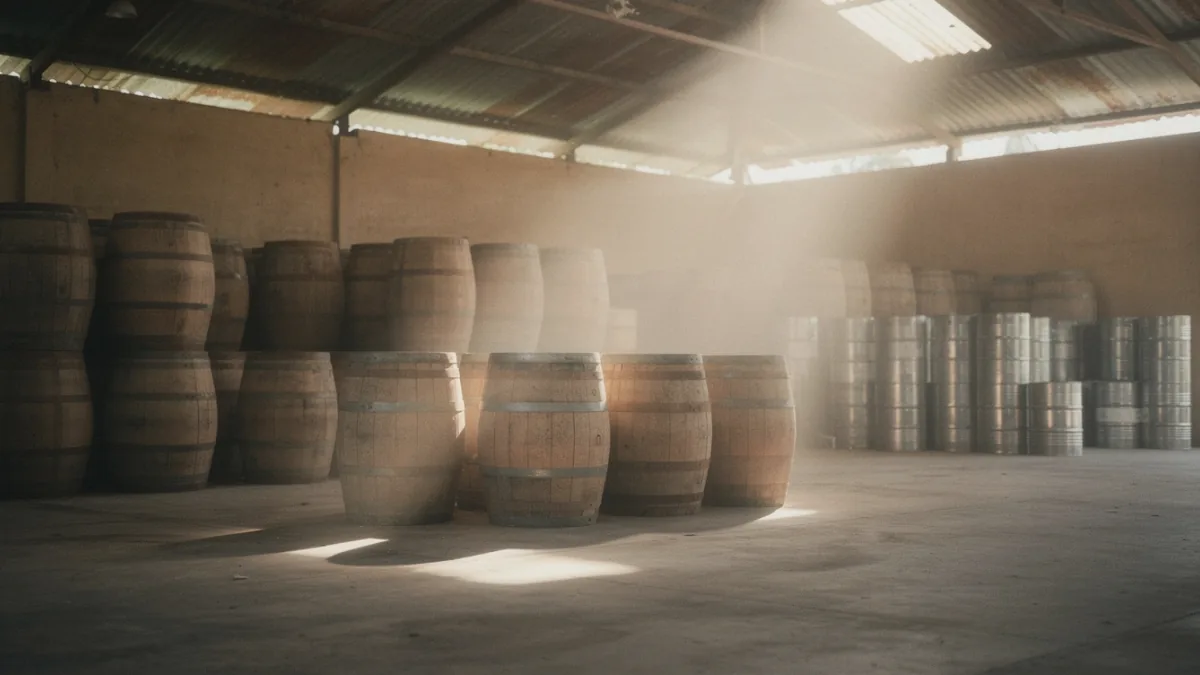 Rum · 3 min.
Rum and age statements: what does the number on the label actually mean?
Telling genuine age statements, product names and Solera references apart.
Explained briefly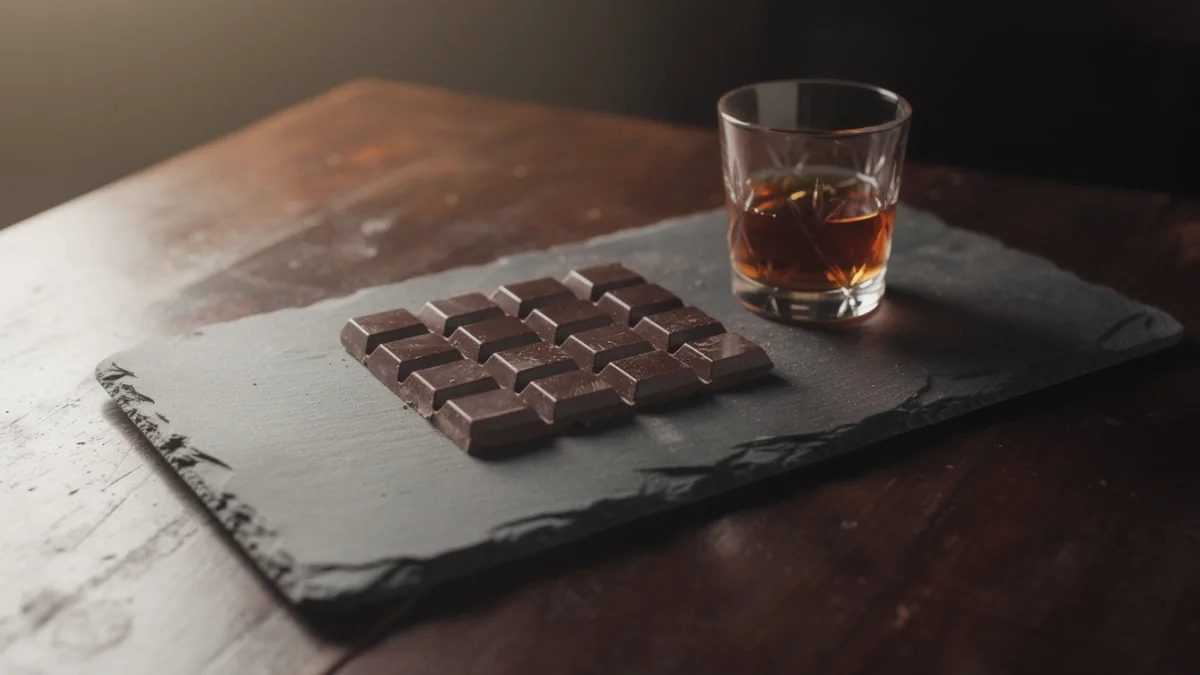 Rum · 3 min.
Rum and Chocolate: How to Find Good Pairings
Pairing rum and chocolate: consider sweetness, bitterness, and fillings together, and prepare small comparison tastings to match them up.
Guide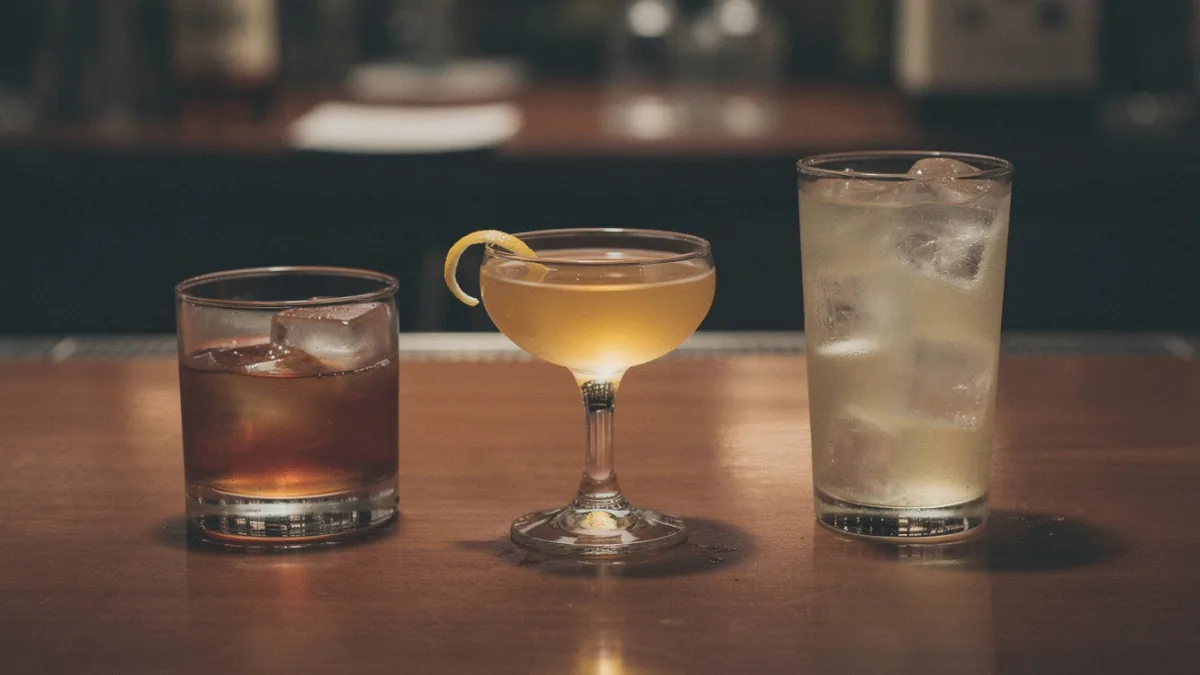 Rum · 3 min.
Rum Cocktails: From Daiquiri to Mai Tai
Choosing rum cocktails from the simple Daiquiri to the layered Mai Tai. Learn why the required rum style matters more than colour alone.
Guide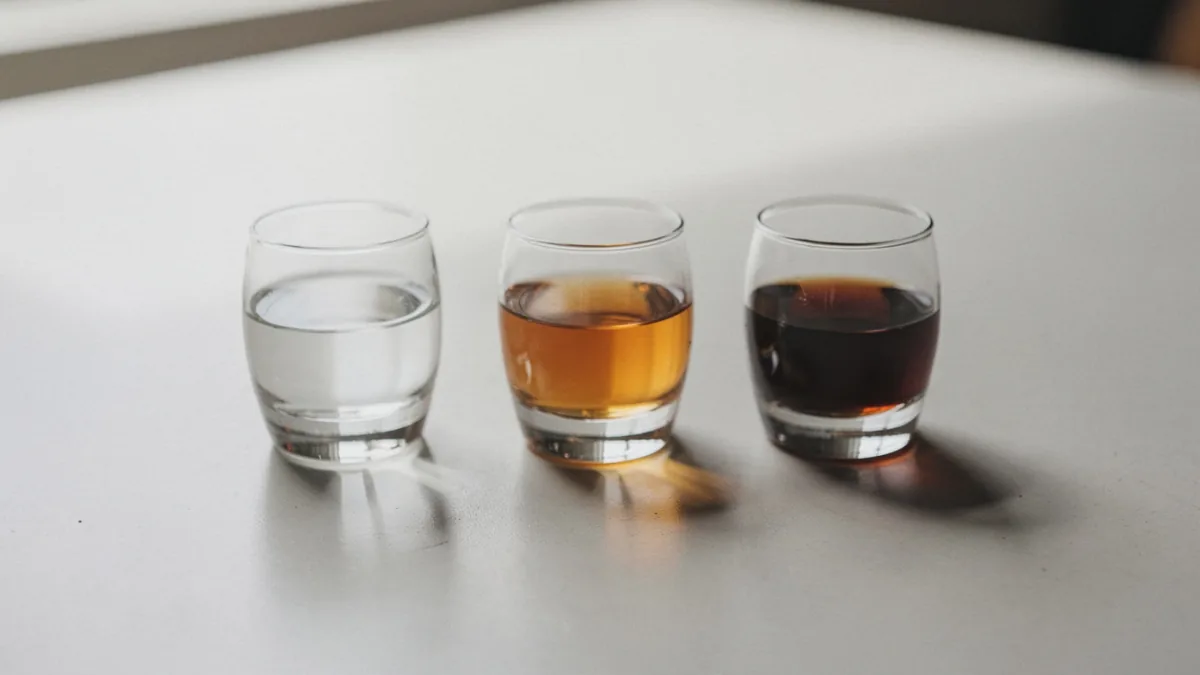 Rum · 5 min.
Rum for beginners: Finding your taste, understanding labels, mixing the right way
Find your rum by taste and purpose: with selection guidance, clear label tips, and matching cocktails instead of color rules.
Guide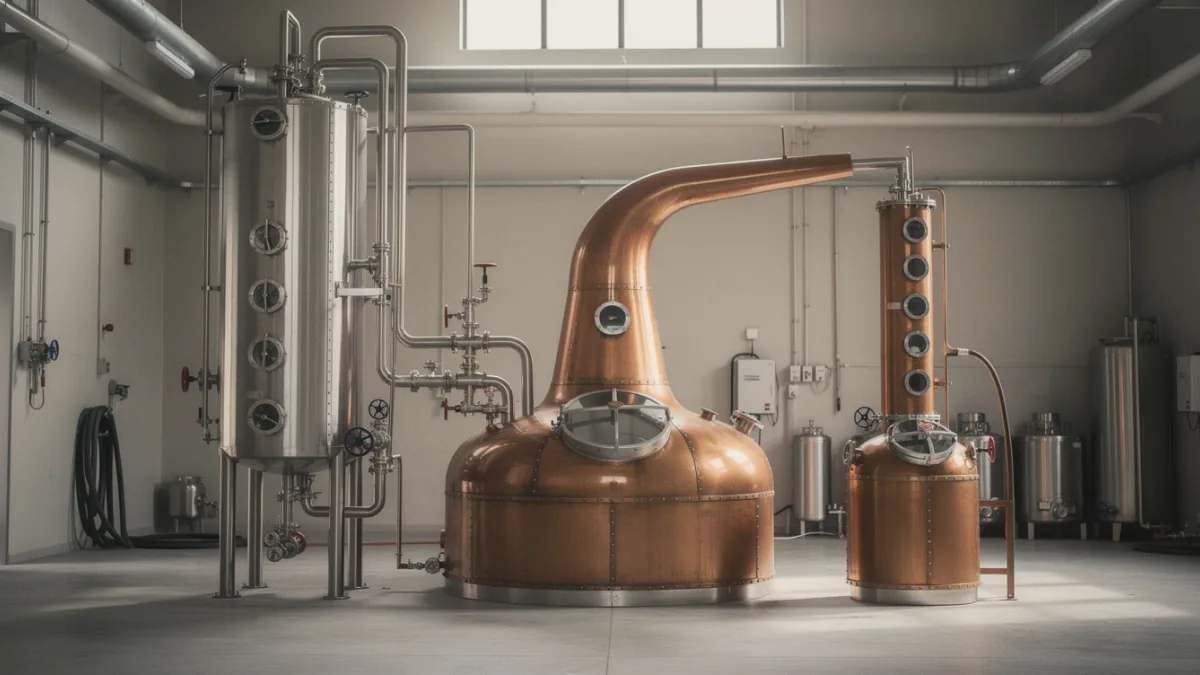 Rum · 3 min.
Rum from Barbados, Cuba, and Guyana: Getting Your Bearings by Origin
Placing rum from Barbados, Cuba, and Guyana: use origin as a starting point and choose the specific bottling by style.
Guide Rum · 3 min.
Storing Rum: What Matters with Opened Bottles
How to store rum, opened and unopened: mind the closure, light, and warmth. Why the bottle can't replace further cask ageing.
Guide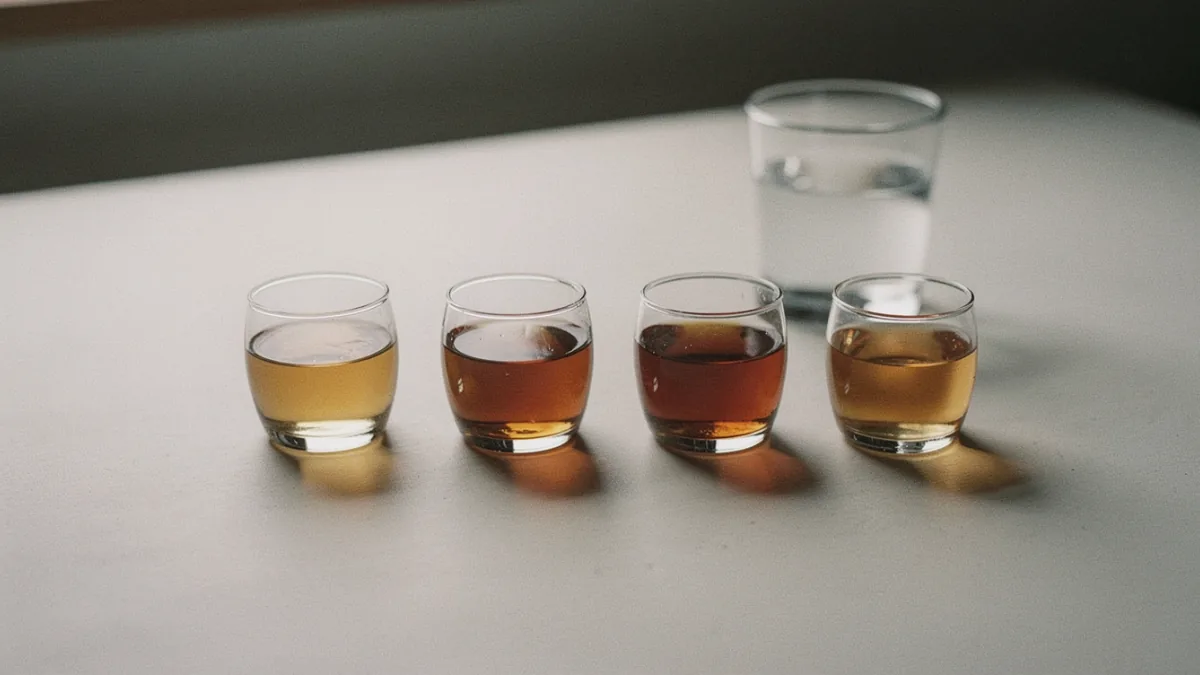 Rum · 3 min.
Tasting rum: Four observations instead of long flavor lists
Consider color, aroma, mouthfeel and finish separately and record your own impression.
In brief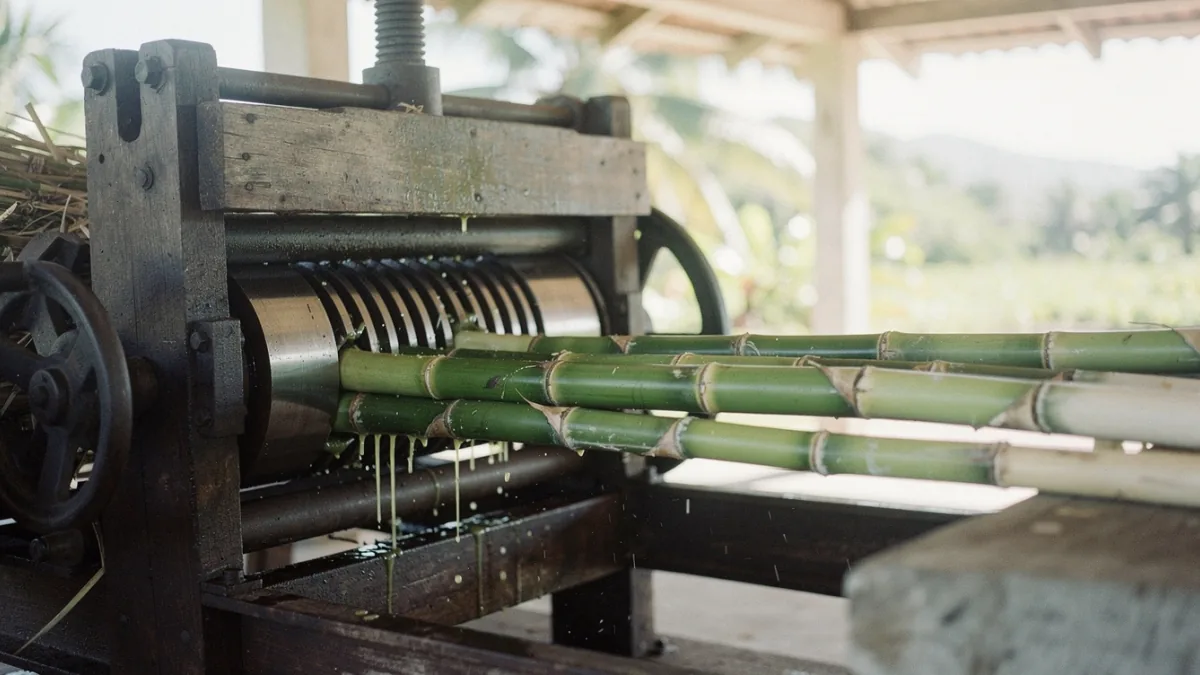 Rum · 3 min.
What is Rhum Agricole? Sugarcane juice instead of molasses
Understanding the raw material - and not mistaking the term for a general organic claim.
In brief- Rum · 3 min.
What is rum? Sugarcane as the starting point
Understanding molasses, sugarcane juice, and production—without reducing rum to color or sweetness.
Basics 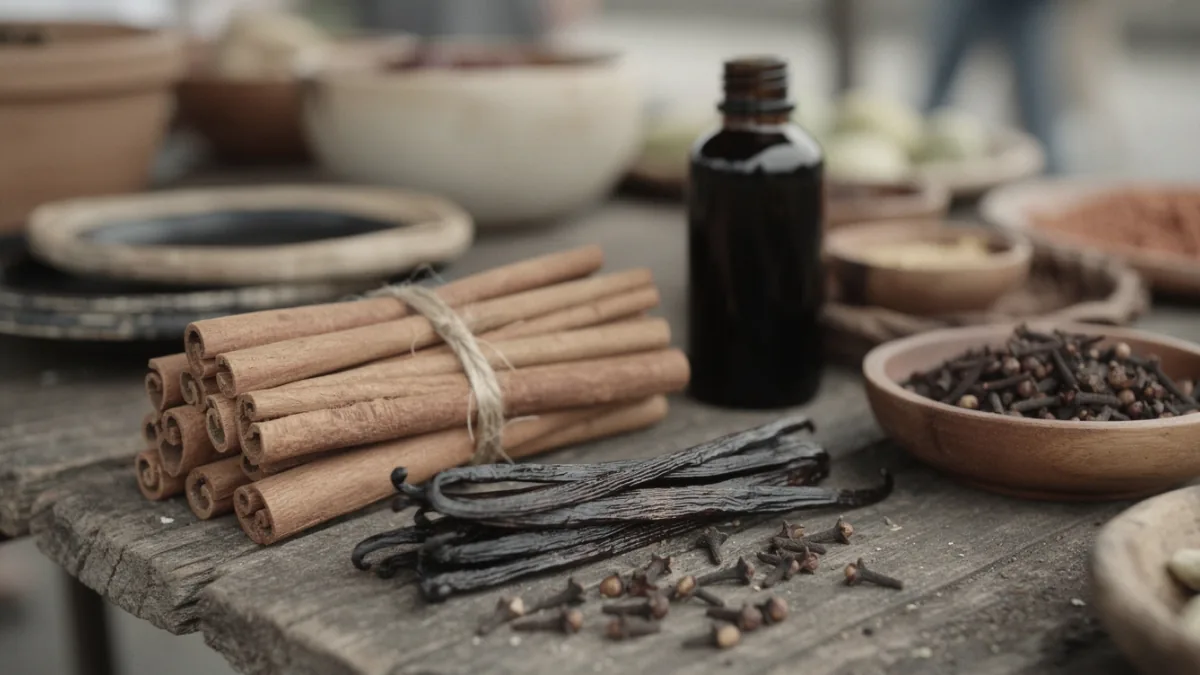 Rum · 3 min.
What is spiced rum? Pay attention to the legal designation
Understanding spiced, rum-based products and distinguishing them from unaltered rum.
In brief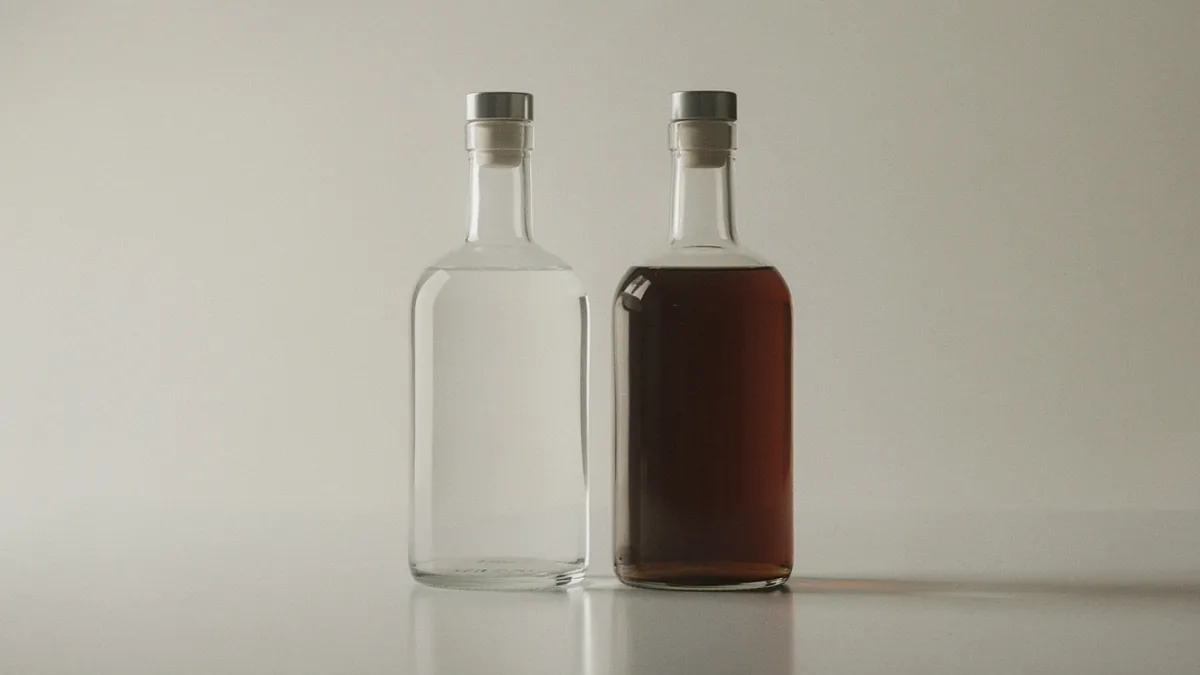 Rum · 3 min.
White or dark rum: what does the color really tell you?
Why color isn't a reliable indicator of age, and why light rum can in fact be well aged.
In brief