The short answer
Rum and chocolate come together via three bridges: roasted notes, fruit, and sweetness. Which bottle suits which bar depends on how both sides actually taste. Color won't help you here — two dark products don't automatically make a good pair.
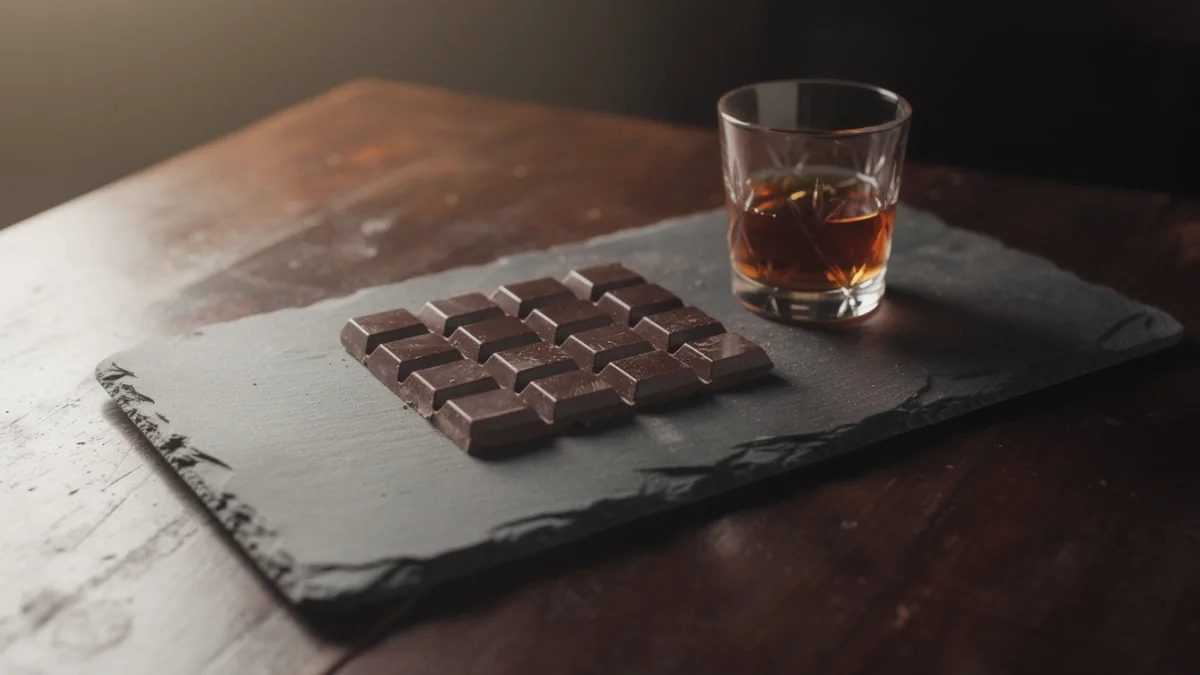
Taste separately first, then together
Work through it in three steps. First take a small sip of rum and describe it to yourself. Then eat a small piece of chocolate. Finally, taste the rum again.
On that second sip, notice what's changed. Does the rum taste sweeter? Does its bitterness come forward? Does one aroma stand out more than before? That very shift is the pairing.
A glass of water between tastings helps keep the impressions separate. Without it, everything blurs together, and after the third pairing you won't remember what went with what.
Let the chocolate melt in your mouth rather than chewing it. The fat coats your tongue and changes how the rum comes across afterward. That effect is exactly why some pairings work and others don't.
Milk Chocolate and Dark Chocolate
Milk chocolate brings plenty of sweetness and a soft texture alongside its cocoa. It tends to blanket the rum rather than push back against it. Dark chocolate can taste distinctly bitter or fruity, and holds its own in the mouth for longer.
A high cocoa percentage doesn't guarantee a better pairing — it mainly makes the chocolate more bitter. Whether that works depends on the rum, not the number printed on the wrapper.
Start by testing two plain bars with no filling. Spices, nuts, and liqueur centers bring their own flavors and muddy the comparison. Without a filling, you can tell more clearly what the cocoa and rum are doing to each other.
It's also worth checking the ingredient list. If vanilla is listed in the chocolate, it will meet the vanilla notes from the cask. Overlaps like this often explain why a pairing clicks right away.
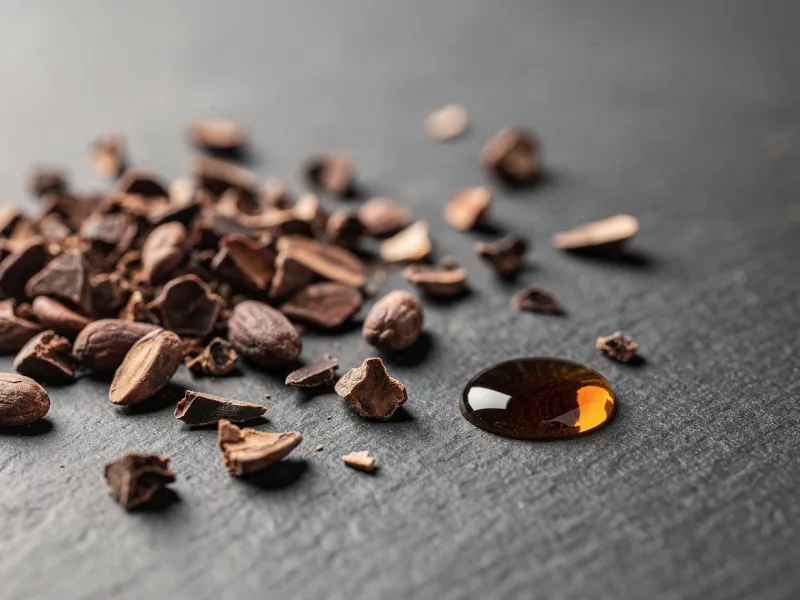
Cask Notes, Fruit, or Contrast
Two approaches work, and both are valid. The first relies on similarity: the vanilla and roasted notes of an aged rum echo the roasted notes in the chocolate. The second relies on tension: a fruity rum plays off the bitterness of a dark bar.
Bold against delicate rarely succeeds, though. The more intense side simply wins, and the other disappears. Make sure both sides carry roughly equal weight.
With very intense fermentation-driven aromas, use an especially small sample. Rums like that will overpower a mild chocolate instantly, and you won't taste the chocolate at all.
If a pairing comes across as harsh, bitter, or cloying, change only one side at a time. Changing both at once blurs the result, and you won't learn anything from it.
Desserts Need Their Own Test
A chocolate cake with cream is something quite different from a bar with a high cocoa percentage. Sugar, fat, and temperature change the impression significantly. Cream makes every bite milder and rounder.
So base your choice on the finished dessert, not on its main ingredient. A very sweet dessert calls for a rum that pushes back a little. A more austere dessert calls for something soft and round instead.
Also set out coffee, tea, or a non-alcoholic pairing alongside it. A good pairing doesn't need a large pour of alcohol — a finger's width in the glass is enough for a whole dessert course.
A dessert served warm comes across differently than served cold. Taste the pairing exactly the way you'll actually serve it. Testing against cold leftover cake tells you little about the warm version.