Theme · 16 articles
Hinter der Bar
Brandy, Agavenbrände, Likör und Cocktailwissen verständlich erklärt.
Hinter der Bar stehen die Flaschen, die kein eigenes Kapitel bekommen haben und trotzdem ständig gebraucht werden: Wermut, Bitter, Likör, Brandy, Agavenbrände.
Viele davon versteht man erst im Zusammenhang. Ein Wermut ist nicht als Getränk für sich gedacht, sondern als die Zutat, die einen Martini oder Negroni trägt — und ob er sechs Wochen offen im Schrank stand, entscheidet über den Drink mehr als die Marke auf dem Etikett.
Dazu kommt das Handwerk: warum manche Drinks geschüttelt werden und andere gerührt, was das Eis tatsächlich tut, und woran man merkt, dass ein Rezept zu süss geraten ist. Die zugehörigen Rezepte stehen im Cocktailteil des Lexikons.
Your reference guide
What would you like to know?
16 articles to explore · Page 1 of 2
 Spirituosen & Bar · 2 min.
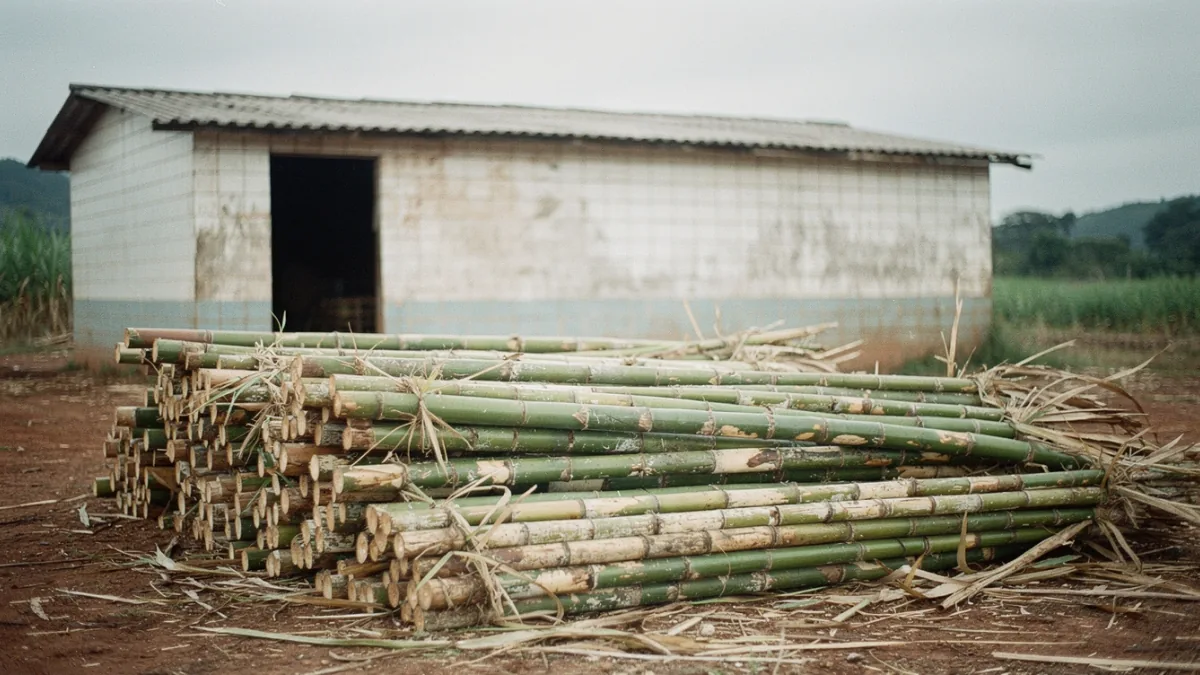
Cachaça: Brazil's sugarcane spirit and the Caipirinha
Getting to know cachaça: sugarcane juice, Brazilian origin, and its role in the Caipirinha. Why cachaça isn't simply white rum.
Guide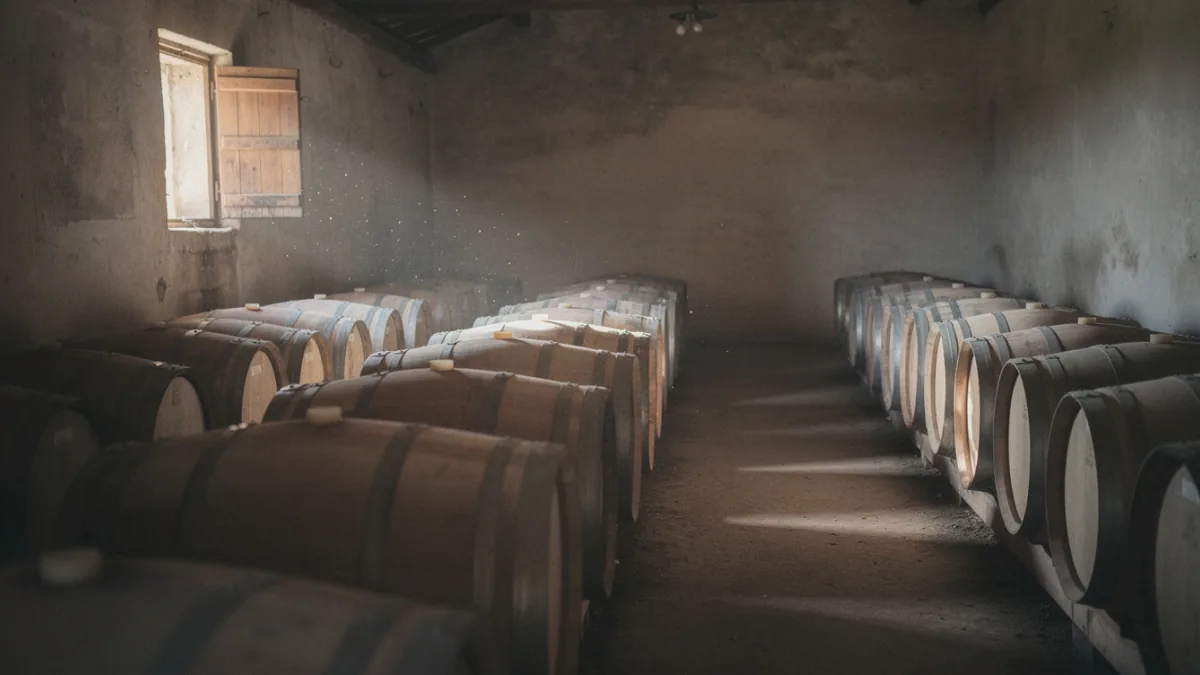 Spirituosen & Bar · 3 min.
Cognac and Armagnac: Two Origins for Brandy
Sorting out the names, and not treating every brown spirit as Cognac.
Explained briefly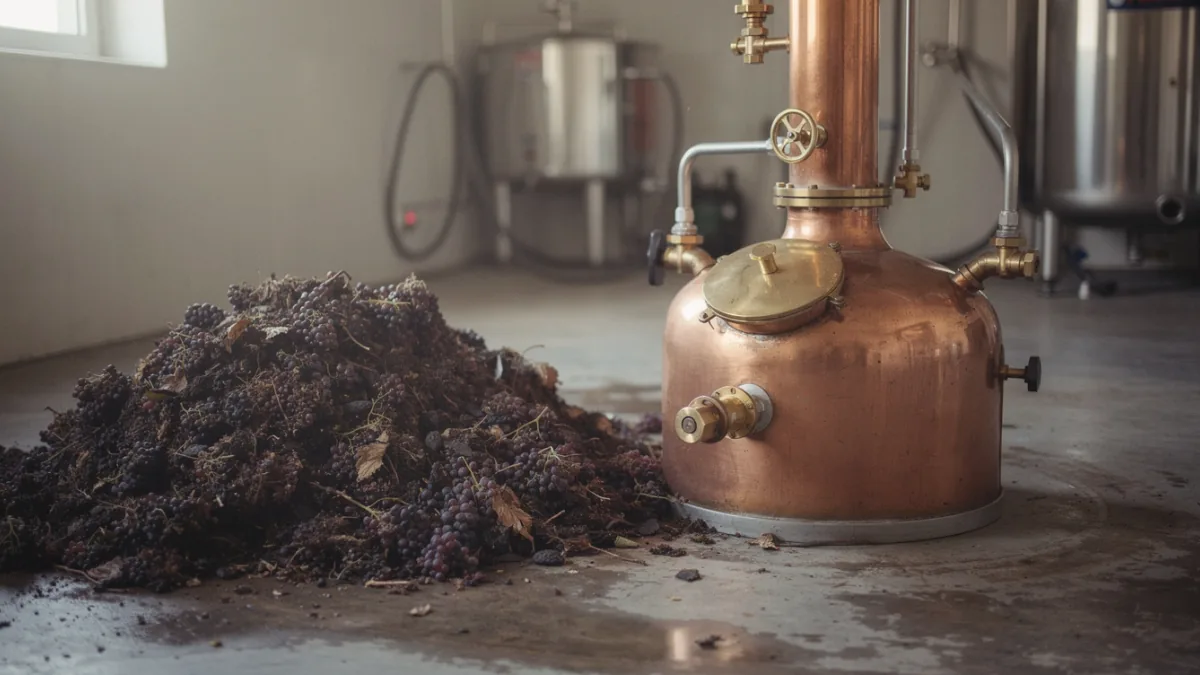 Spirituosen & Bar · 3 min.
Grappa: pomace brandy, grape varieties, and aging
Understanding grappa: pomace as the raw material, grape varieties, and aging explained. Choose by style instead of just by bottle shape.
Guide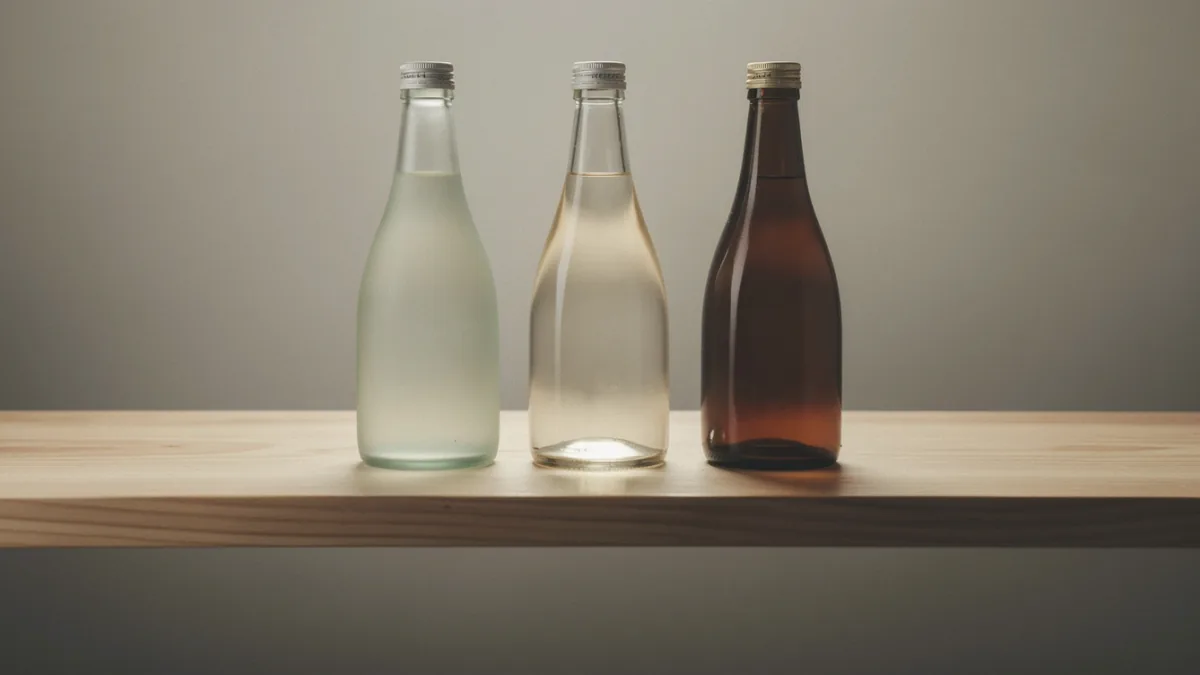 Spirituosen & Bar · 3 min.
Junmai, Ginjo, Daiginjo: What do these mean for sake?
Telling alcohol addition and rice polishing apart, rather than reading the terms as a simple ranking.
Explained briefly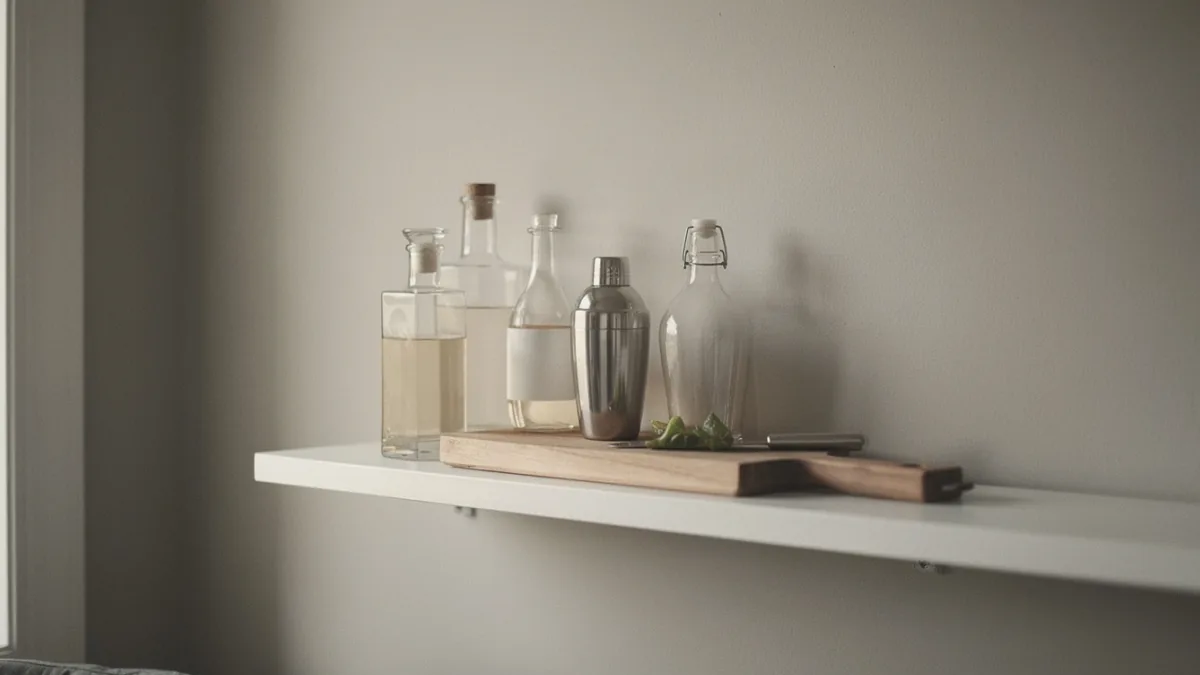 Spirituosen & Bar · 7 min.
Making Cocktails at Home: Your First Home Bar
From Your First Shopping List to a Great Drink: Equipment, Ingredients, Three Stages of Growth, and a Home Bar Planner for the Bottles You Already Have
Guide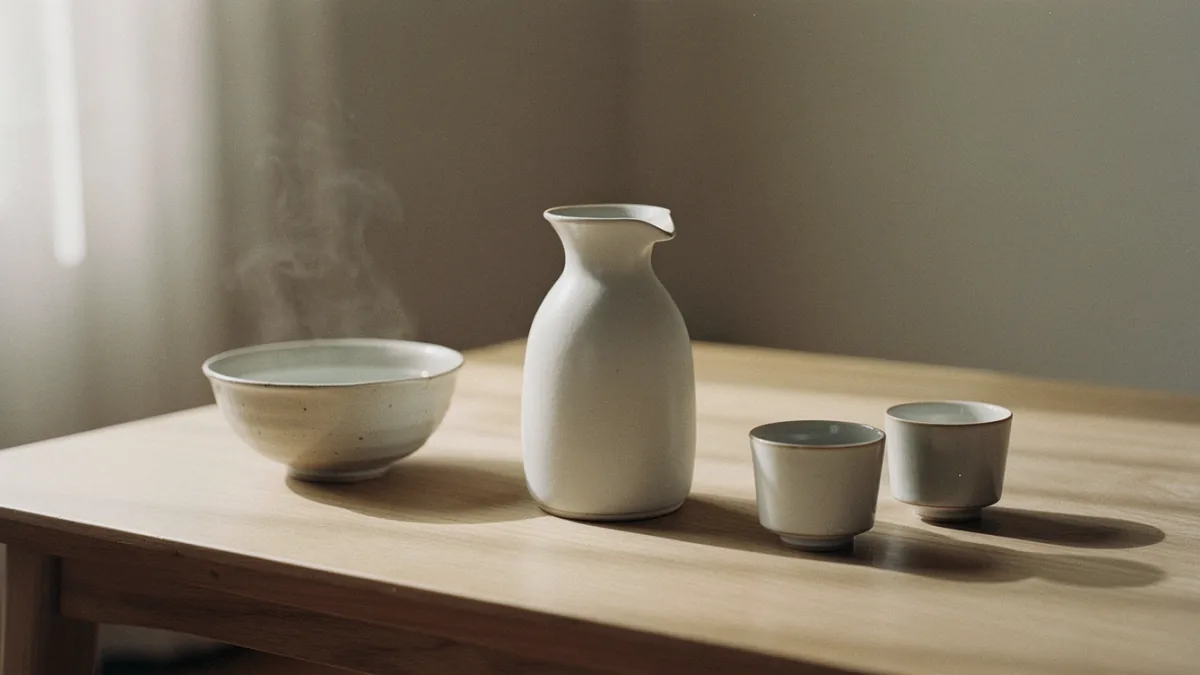 Spirituosen & Bar · 3 min.
Serving Sake: cold, warm and with food
Serving sake cold or warm: follow the bottling's recommendations, compare step by step and try it with food.
Guide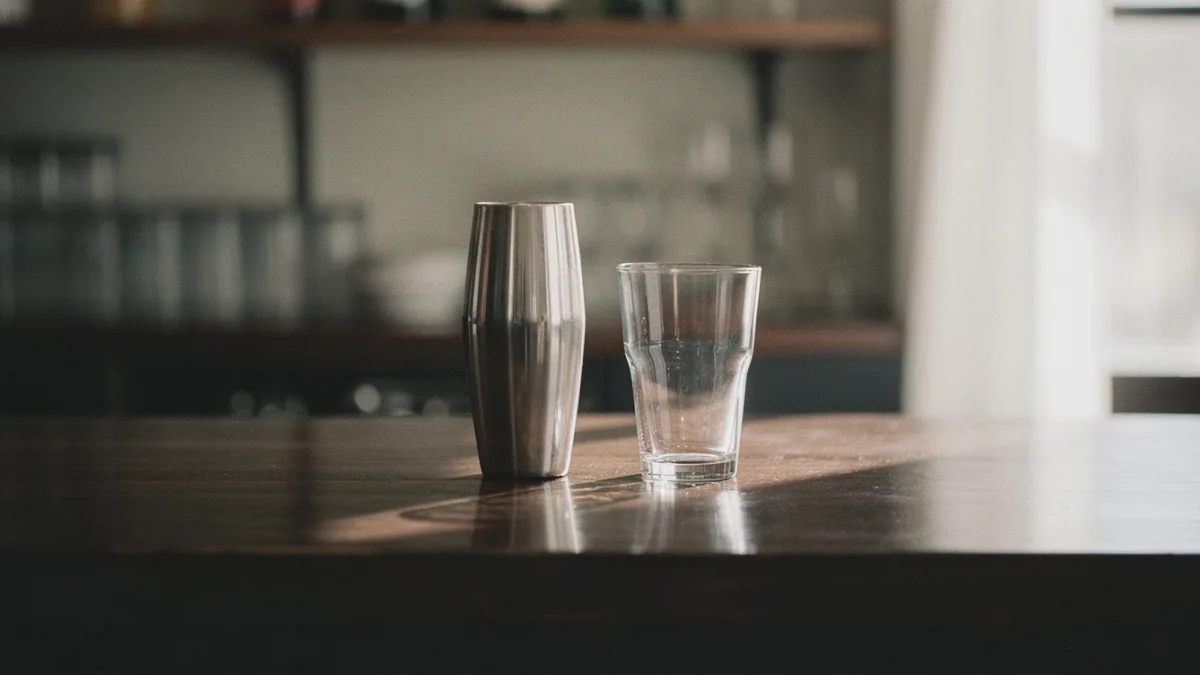 Spirituosen & Bar · 3 min.
Shaking or Stirring Cocktails: What Works When?
Use well-known recipes as a starting point, and never trap carbonation in a closed shaker.
Explained Briefly- Spirituosen & Bar · 3 min.
Tequila and Mezcal: What's the Difference?
Classifying agave spirits by raw material and production — smoke isn't the whole story.
Quick Explainer 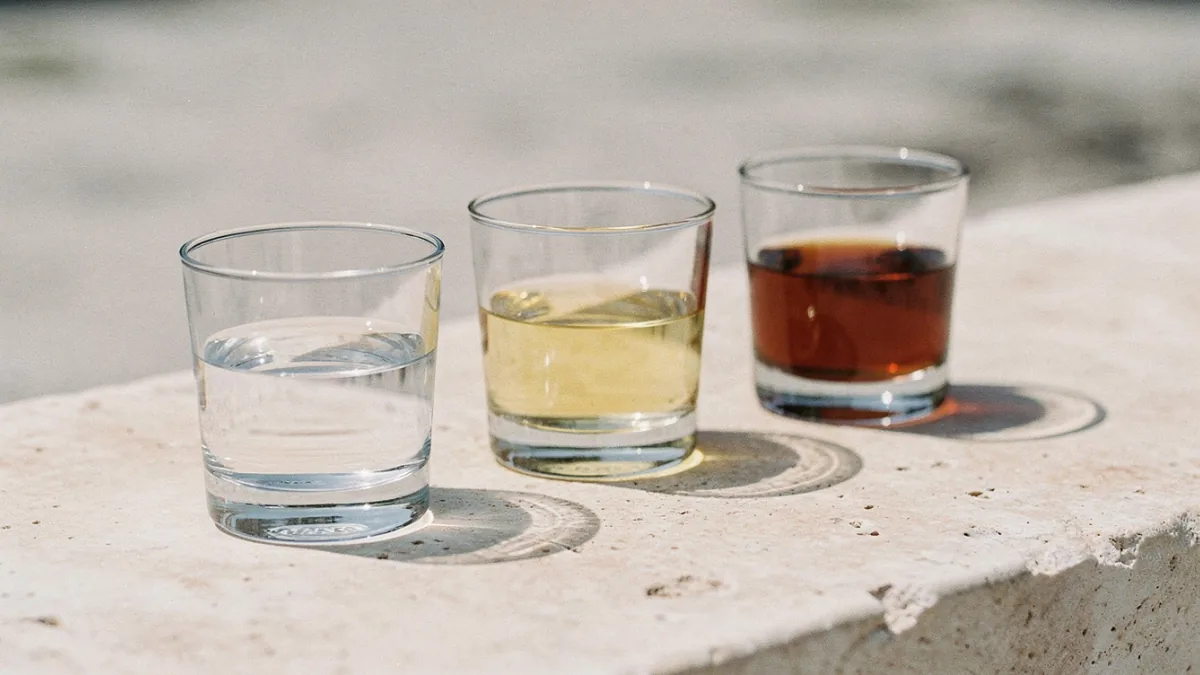 Spirituosen & Bar · 4 min.
Tequila Blanco, Reposado, and Añejo: what aging changes
Comparing Tequila Blanco, Reposado, and Añejo: what aging changes and which questions help when choosing for cocktails or sipping neat.
Guide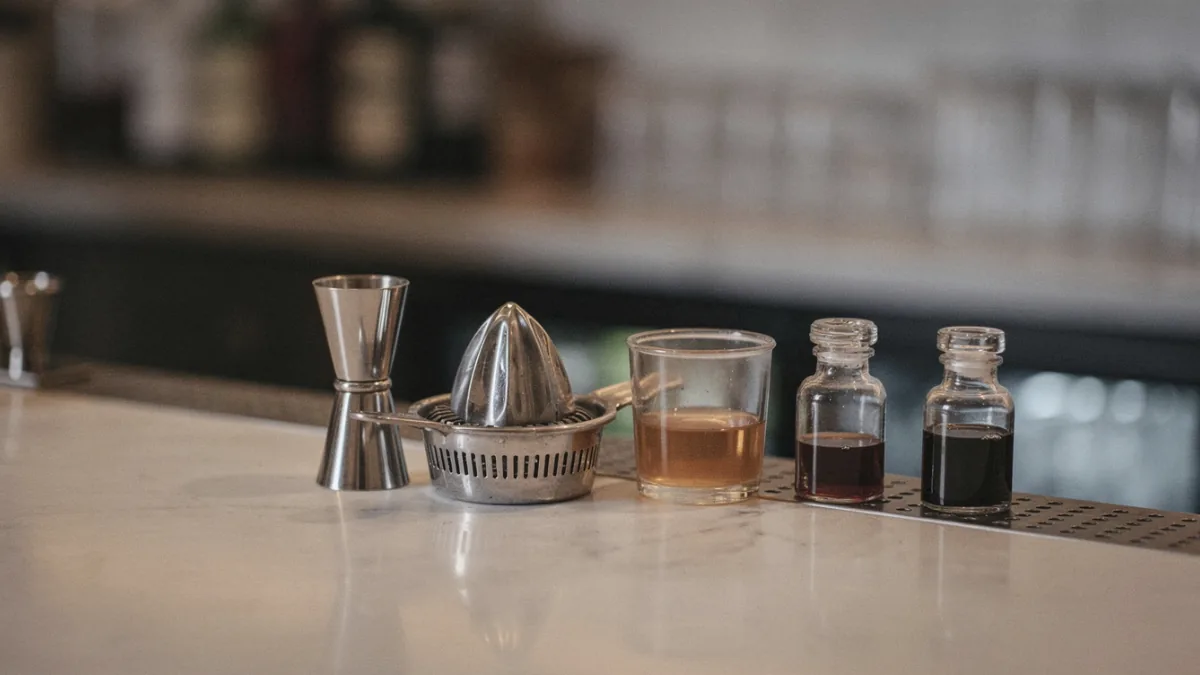 Spirituosen & Bar · 4 min.
Understanding cocktails: sweetness, acidity, bitterness, and dilution
Why a drink is more than its spirit, and how to fine-tune recipes to your own taste.
Guide Spirituosen & Bar · 3 min.
What is Amaro? Understanding Italian bitter liqueurs
Getting to know amaro: distinguishing bitterness, herbs, and sweetness. Why Italian bitter liqueurs taste so different from one another.
Guide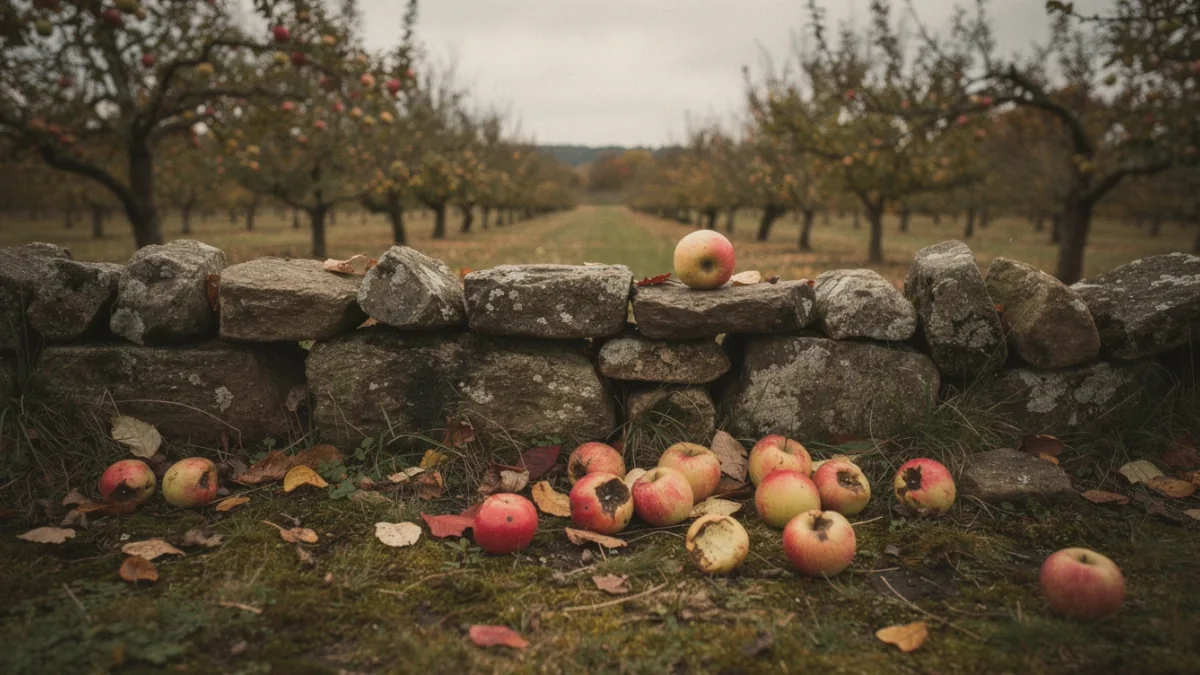 Spirituosen & Bar · 3 min.
What is Calvados? Apple brandy with origin
Get to know Calvados and understand why, depending on origin, pears also play a role.
Explained briefly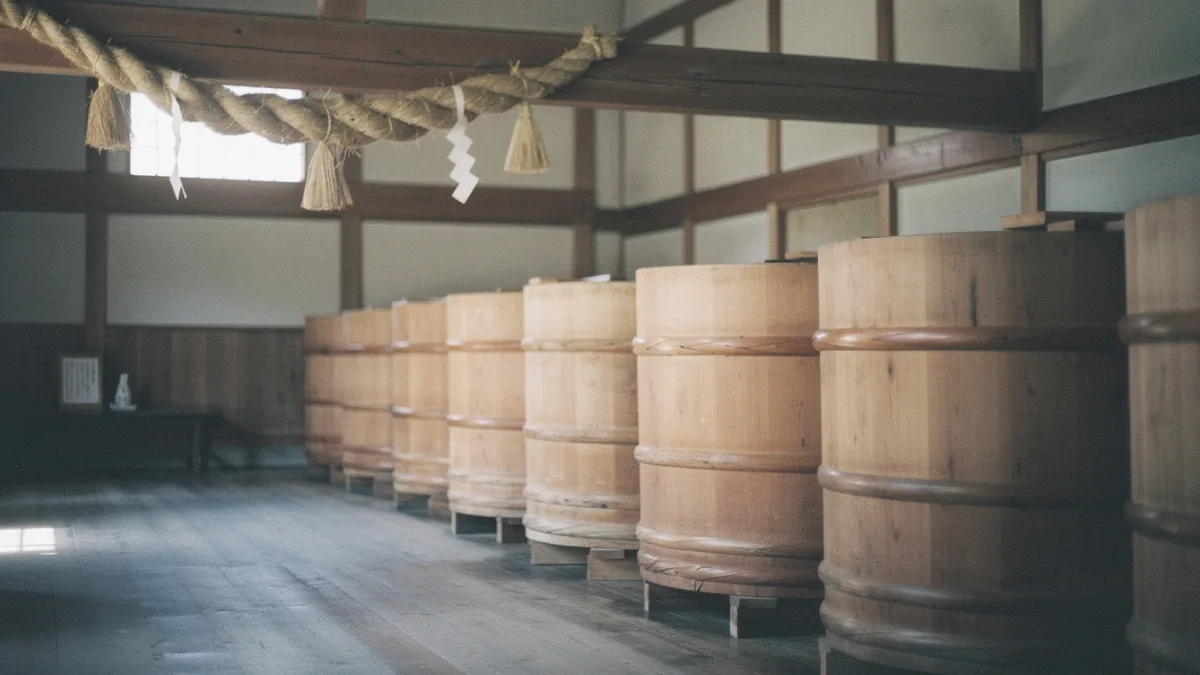 Spirituosen & Bar · 3 min.
What is Sake? A rice drink, not a rice schnapps
Understand the Japanese drink category and tell fermentation apart from distillation.
Explained briefly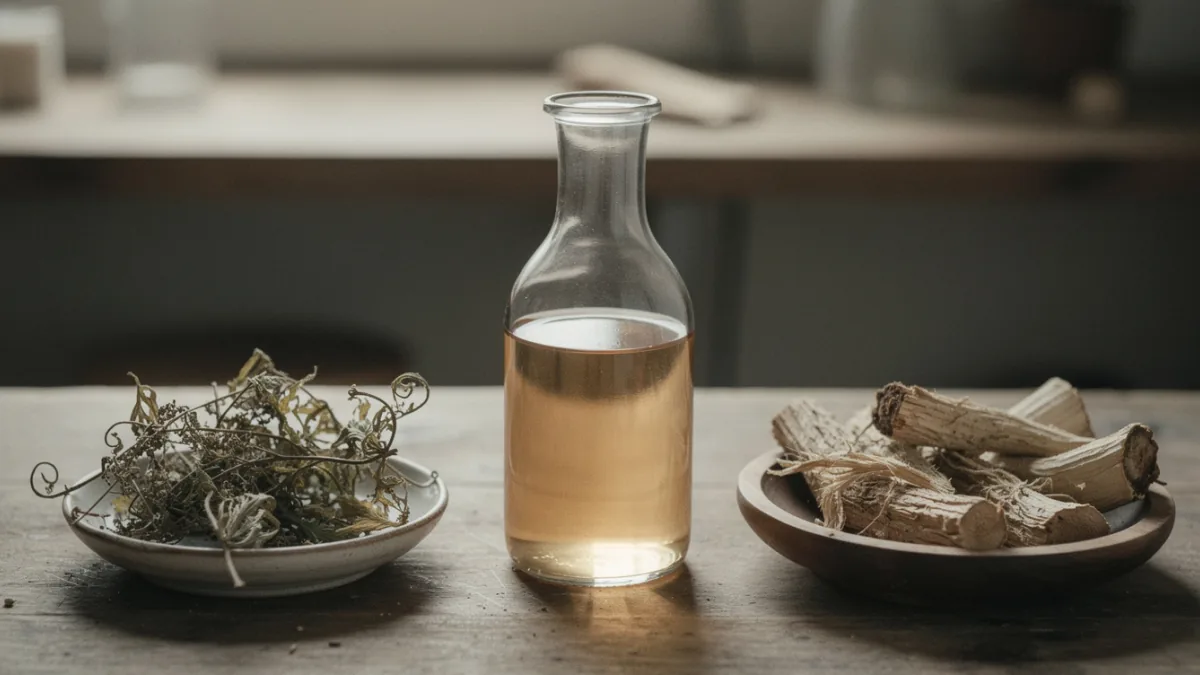 Spirituosen & Bar · 2 min.
What Is Vermouth? Understanding Dry, Bianco, and Rosso
Understanding vermouth: telling Dry, Bianco, and Rosso apart, choosing the right one for your cocktail, and storing opened bottles properly.
Guide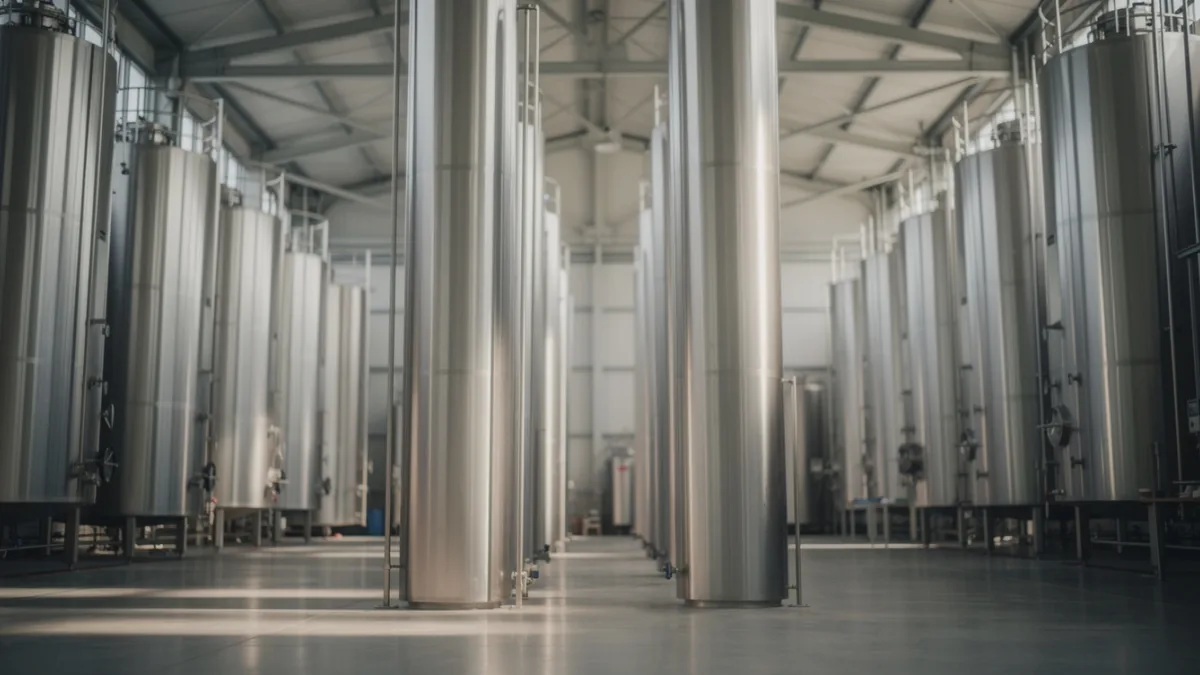 Spirituosen & Bar · 2 min.
What Is Vodka? Raw Materials, Flavor, and Cocktails
Understanding vodka: sorting out raw materials and sensory differences. What role the base plays in a cocktail, and what to look for when buying.
Guide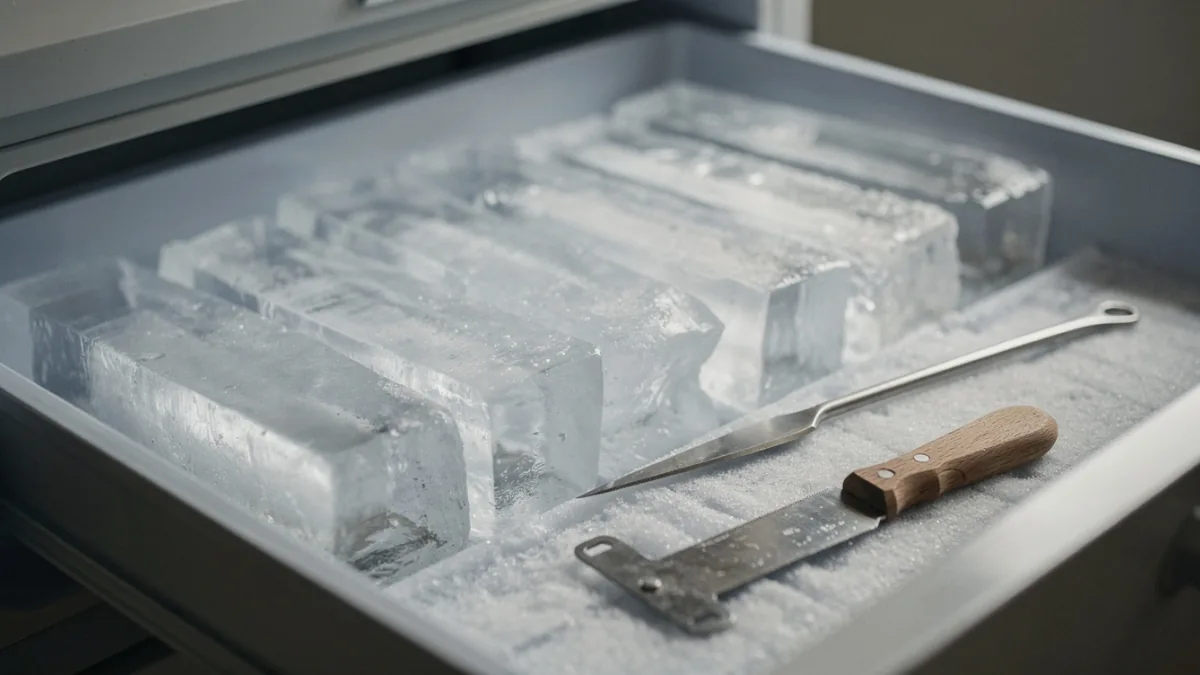 Spirituosen & Bar · 3 min.
Why Does Ice Belong in a Cocktail? Chilling and Dilution
Don't think of ice as mere decoration, and prepare the finished drink so it's reproducible.
Explained Briefly