Skip to content
Gustofolio
Knowledge HubProducersMeet & TasteEvents
CaptureCollectionTasteEnjoyShare
Roadmap
Knowledge HubProducersMeet & TasteEvents
CaptureCollectionTasteEnjoyShare
Beta roadmapCreate account
Legal NoticePrivacy
ENSign inCreate account
Drinks EncyclopediaLexiconKnowledge JourneysJourneysTopic WorldsTopicsAll ArticlesArticlesCocktail RecipesCocktailsRecipes with drinksRecipes
Encyclopedia/Spirits & Bar

Guide · 2 min read

Cachaça: Brazil's sugarcane spirit and the Caipirinha

Getting to know cachaça: sugarcane juice, Brazilian origin, and its role in the Caipirinha. Why cachaça isn't simply white rum.

As of: 17. September 2026

In this article
  1. Fresh sugarcane juice instead of molasses
  2. Clear in the glass or shaped by wood
  3. Which cachaça for a Caipirinha?
  4. Not just Caipirinha: the Rabo de Galo

The short answer

Cachaça is a Brazilian spirit made from fresh sugarcane juice. It's the foundation of the Caipirinha — and it differs from rum by more than just its name.

Cachaça: Brazil's sugarcane spirit and the Caipirinha — image for the topic Spirits & Bar

Fresh sugarcane juice instead of molasses

Most rums are made from molasses, a byproduct of sugar production. Cachaça is made from freshly pressed sugarcane juice, and you can taste it: fresher, more vegetal. That said, there is also rum made from sugarcane juice. Simply equating the two terms therefore obscures more than it explains.

Then there's the origin. The name cachaça is protected and applies only to sugarcane spirits from Brazil. A similarly produced spirit from another country goes by a different name.

Clear in the glass or shaped by wood

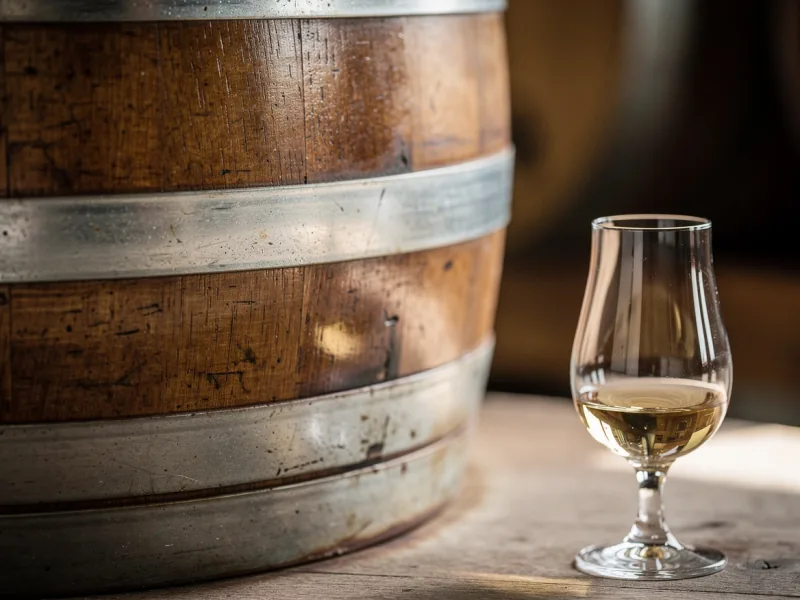
Unaged cachaça tastes fresh, vegetal, and fruity. If it's aged in wood, additional flavors join in. However, you can't tell from the color how long it aged or in what type of wood — that information is on the bottle. And if you're not familiar with strong wood notes, ask for a sample before buying a whole bottle.

The woods are what make it special. Besides oak, native Brazilian species are used: amburana, jequitibá, bálsamo. Amburana lends distinct cinnamon and vanilla notes — a flavor profile found in no other spirit.
Spirits & Bar: Clear in the glass or shaped by wood

Which cachaça for a Caipirinha?

Choose a fresh, clearly described style. Lime and sugar should complement the spirit, not mask it. Measure out the sugar and cachaça — that way you'll get the drink just right next time too.

And when muddling the lime: press only hard enough for the juice and a bit of peel aroma to come out. The white pith releases bitter compounds if you muddle too hard. Short and firm is enough. Working the lime too long won't give you a more intense Caipirinha — just a bitter one.

Not just Caipirinha: the Rabo de Galo

In the Rabo de Galo, cachaça meets vermouth and bitter liqueur. That's a completely different side than the fresh Caipirinha. Try the cachaça neat in a small amount first, so you know what you're working with. And if you swap it into a recipe in place of rum, expect a noticeably different flavor.
  • Rum for beginners: finding flavor, understanding labels, mixing well
  • Understanding cocktails: sweetness, acidity, bitterness, and dilution

Mixed with this

Recipes featuring this.

  • Caipirinha

    This Brazilian classic needs just three ingredients: cachaça, lime and sugar. Cachaça is a spirit distilled from sugarcane. You mix everything directly in the glass, over crushed ice. Short, cold and very fresh.

    To the recipe ↗
  • Rabo de Galo

    Cachaça, sweet red vermouth, and the bitter liqueur Cynar come together in the glass. This Brazilian classic is bold and herbal. Lime and sugar, as in a Caipirinha, don't feature here.

    To the recipe ↗

Continue from here

You might also like this.

  • Rum for Beginners: Finding Your Taste, Reading Labels

    Find your rum by taste and purpose: with selection guidance, clear label tips, and matching cocktails instead of color rules.

    Read more ↗
  • Cocktail Balance: Sweetness, Acidity, Bitterness, Dilution

    Why a drink is more than its spirit, and how to fine-tune recipes to your own taste.

    Read more ↗
  • What Is Vermouth? Understanding Dry, Bianco, and Rosso

    Understanding vermouth: telling Dry, Bianco, and Rosso apart, choosing the right one for your cocktail, and storing opened bottles properly.

    Read more ↗

More in the encyclopedia

Behind the Bar

  • Tequila Blanco, Reposado, and Añejo: what aging changesSpirits & Bar

    Tequila Blanco, Reposado, and Añejo: what aging changes

    Comparing Tequila Blanco, Reposado, and Añejo: what aging changes and which questions help when choosing for cocktails or sipping neat.

  • Grappa: pomace brandy, grape varieties, and agingSpirits & Bar

    Grappa: pomace brandy, grape varieties, and aging

    Understanding grappa: pomace as the raw material, grape varieties, and aging explained. Choose by style instead of just by bottle shape.

  • What is Amaro? Understanding Italian bitter liqueursSpirits & Bar

    What is Amaro? Understanding Italian bitter liqueurs

    Getting to know amaro: distinguishing bitterness, herbs, and sweetness. Why Italian bitter liqueurs taste so different from one another.

All articles on Spirits & Bar15
  • Cocktail Balance: Sweetness, Acidity, Bitterness, Dilution
  • Cognac and Armagnac: Two Origins for Brandy
  • Grappa: pomace brandy, grape varieties, and aging
  • Junmai, Ginjo, Daiginjo: What do these mean for sake?
  • Making Cocktails at Home: Your First Bar Setup
  • Serving Sake: cold, warm and with food
  • Shaking or Stirring Cocktails: What Works When?
  • Tequila and Mezcal: What's the Difference?
  • Tequila Blanco, Reposado, and Añejo: what aging changes
  • What is Amaro? Understanding Italian bitter liqueurs
  • What is Calvados? Apple brandy with origin
  • What is Sake? Brewed from rice, not a schnapps
  • What Is Vermouth? Understanding Dry, Bianco, and Rosso
  • What Is Vodka? Raw Materials, Flavor, and Cocktails
  • Why Does Ice Belong in a Cocktail? Chilling and Dilution

Find that one bottle again.

With Gustofolio, you keep track of your drinks and your taste.

Download on the App StoreGet it on Google Play
Get to know Gustofolio ↗The best spirits app: rum, tequila and sake ↗

Images generated with AI · Text AI-assisted, editorially reviewed

Gustofolio
Drinks EncyclopediaCocktail RecipesRecipesProducersTastings near youEventsWine App GuideBeer App GuideWhisky App GuideTasting App GuideBeta RoadmapPrivacy PolicyTerms of UseLegal NoticeContact

May we measure which areas get used?

With Google Analytics and a cookie, without the contents of your collection. You can change this anytime. Privacy policy