The short answer
You can drink sake cold, at room temperature, or warmed. Which temperature suits it depends on the style and on the individual bottling. Serving it hot is not a requirement. It's one of several possibilities.
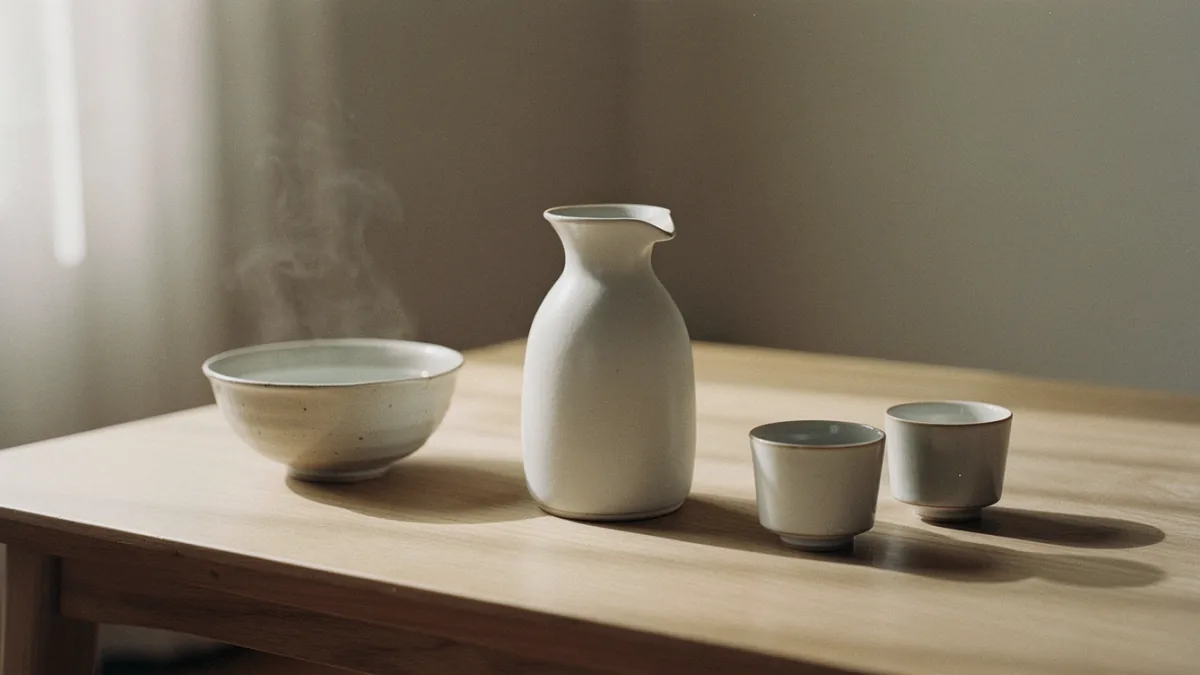
Distinguishing fruity and full-bodied styles
Delicately fragrant, fruity sake usually comes in the glass cool. Fuller-bodied, grainy or savory styles often tolerate a little warmth. These are starting points, not quality tiers. An expensive sake doesn't automatically have to stay cold.
The Japanese language has its own words for the various temperature levels. They range from well-chilled through room temperature to several degrees of warmth. This shows how little this is a simple either-or matter. The same sake can seem like two different drinks at two different temperatures.
The producer's recommendation helps you most. After that comes your own small comparison tasting. Pour two small amounts and let one portion sit until it's become a bit warmer. The difference is often surprisingly clear.
Gentle warming
Why warm it at all? Warmth changes what you smell and taste. In fuller-bodied styles, the grainy side comes forward more clearly. In delicate, fruity sake, exactly what they were made for gets lost. So the experiment isn't worthwhile with every bottle.
Always warm only a small amount. Place a suitable vessel in warm water and monitor the temperature. Rolling boiling has no place here. Start moderately and taste before heating further.
Body temperature up to slightly above serves as a guideline. If it gets hotter, the alcohol comes through harshly. Delicate aromas then disappear.
The microwave heats unevenly and is unsuitable for this. A vessel in warm water takes two minutes and works reliably. A whole pot isn't worth it: for a temperature comparison you need only a small amount of liquid, otherwise you'll have trouble hitting the desired level.
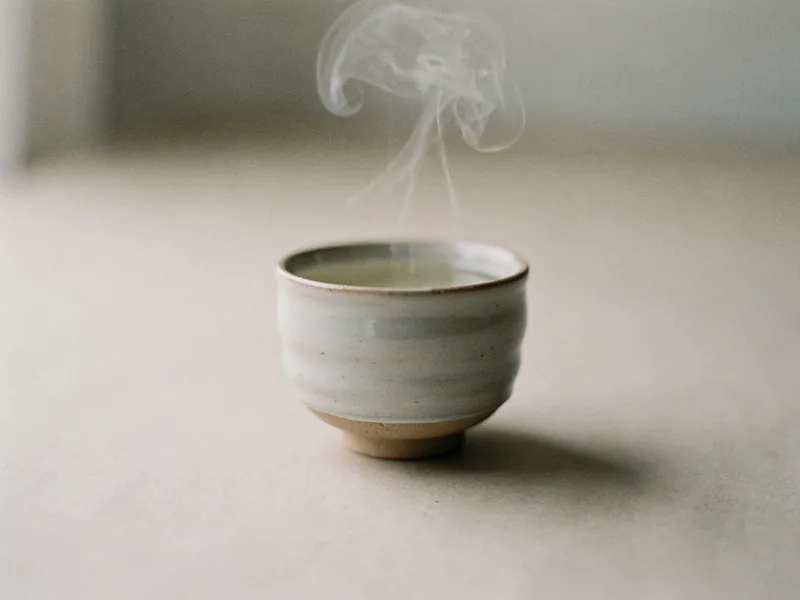
Which glass?
A small wine glass works well for perceiving the aroma. Above the liquid there's room where the aroma can gather. Small ceramic vessels feel different and also change the impression. A tall, narrow glass, on the other hand, releases little of the aroma.
For a genuine comparison, use the same vessel and the same amount twice. Otherwise you end up comparing the glass rather than the sake.
A traditional vessel is nice, but not a prerequisite for a good start. To begin with, whatever's in your cupboard is enough.
Storage and food pairing
Store sake as indicated on the bottle. After opening, it should be kept carefully chilled and not left open for long. Unpasteurized products need special attention.
Three questions help you with food. How full-bodied is the dish? How much umami does it bring? And what texture does it have? Umami is the savory taste you know from broth or aged cheese.
Sake isn't limited to sushi. It contains hardly any tannins and little acidity. That's why it copes with dishes where wine struggles: asparagus, artichokes, or strongly umami-rich foods.
Try it out for yourself. A small tasting with mushrooms or mild cheese tells you more than any general recommendation. In the end, always judge the specific combination on your plate.