The short answer
Vegetables don't have just one flavor. A steamed dish tastes different from roasted oven vegetables. What suits the glass is decided by herbs, roasted flavors, sweetness, and sauce.
Three simple starting points
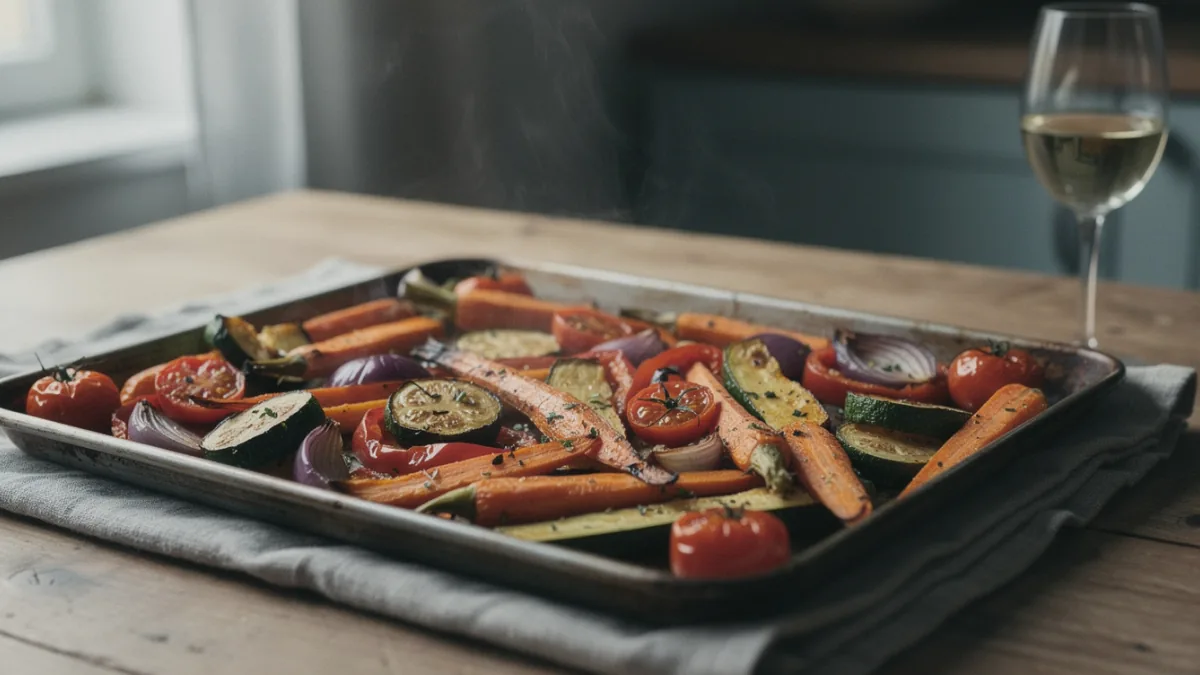
A restrained white wine often suits mild, steamed vegetables. If plenty of fresh herbs are involved, the wine can be more aromatic. With richly roasted oven vegetables, even a light red wine is worth a try.
These are suggestions to experiment with, not rules. What matters is the whole dish: its flavors and how you prepare it. The plant-based main ingredient alone doesn't determine the color of wine.
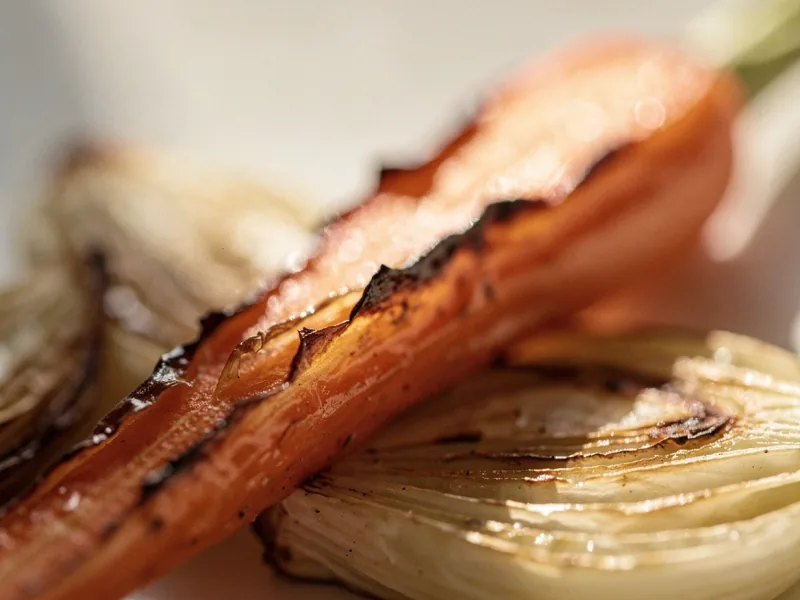
The reason lies less in the vegetable itself than in how it's cooked. Steamed vegetables stay pale and mild in flavor. Roasted ones develop dark, slightly bitter notes and more depth. The same ingredient can thus become two completely different dishes — and pair with two very different wines.
Before opening a bottle, ask yourself: which flavor is loudest in this dish? Often it's not the vegetable at all. It's the roasting, the garlic, a strong cheese, or a handful of herbs. Let that dominant element guide your choice. This way, you'll hit the mark more often than by focusing on the main ingredient.
Pay attention to dressing and sauce
A salad with a mild yogurt dressing is a different task than the same salad with plenty of vinegar. With roasted vegetables, a sweet glaze, chili, or cheese shifts the impression. Mention these ingredients whenever you ask for a recommendation.
Vinegar stands out the most. A tangy dressing can quickly make a wine without its own freshness taste flat and tired. A creamy dressing buffers the acidity and gives the wine more room to shine. Lots of vinegar in the salad means the wine should taste at least as fresh as the salad itself.
If you eat vegan, there's a second question to consider. A wine isn't automatically vegan just because it's made from grapes. That depends on the production process. Rely on a statement from the producer or a certification. The taste at the table and the production in the cellar are two separate matters.
This certification is usually found on the back label or from the producer. It can't be inferred from color, style, or price. An organic label doesn't tell you anything about it either. It's best to clarify this before buying. Then you can focus purely on taste.
Which wine goes with which vegetable preparation?
These three lines all show the same pattern: preparation shifts the flavor more strongly than the type of vegetable itself.
These aren't fixed rules. A spicy seasoning, a sweet glaze, or plenty of cheese instantly change the impression. Then a different style often works better. Use these lines as a starting point and go from there in whatever direction suits your taste.
| On the plate | Suggestion to try | What matters here |
|---|---|---|
| Steamed, with herbs | A fresh, understated wine | Also try it with lemon juice and dressing. |
| Roasted or grilled | More body and expression | Roasted flavors call for a different approach than raw freshness. |
| Sweet dressing | Check the wine's own sweetness | A very dry wine can seem edgy next to it. |
Vegetables don't have their own wine style
The most persistent assumption is: vegetables call for white wine. Once bold roasted flavors come into play, a light red wine is often the better match. Just as common is the idea that a meatless dish is automatically light. But roasted vegetables with cheese and plenty of oil carry far more weight than a steamed dish.
The second misconception concerns the order of things. Many people look for the main ingredient first and the wine second. It's better to focus on preparation, seasoning, and sauce. These three shape the flavor. The ingredient list alone tells you little about how intense the finished dish actually tastes.
Same vegetable, two preparations
Cook the same vegetable twice: once steamed, once roasted in the oven. Try both dishes with the same wine. The difference in the glass is usually bigger than expected. It shows you, better than any recommendation, what really matters. Jot down briefly which pairing you liked.
At the shop or restaurant, describe the dish as it will actually arrive at the table: the preparation, the seasoning, the sauce. With this description, you'll get a useful suggestion in return. The word 'vegetable' alone isn't enough — the crucial details are missing.