The short answer
Look at sweetness, bitterness, and richness together. The percentage on the bar alone won't tell you which wine goes with it.
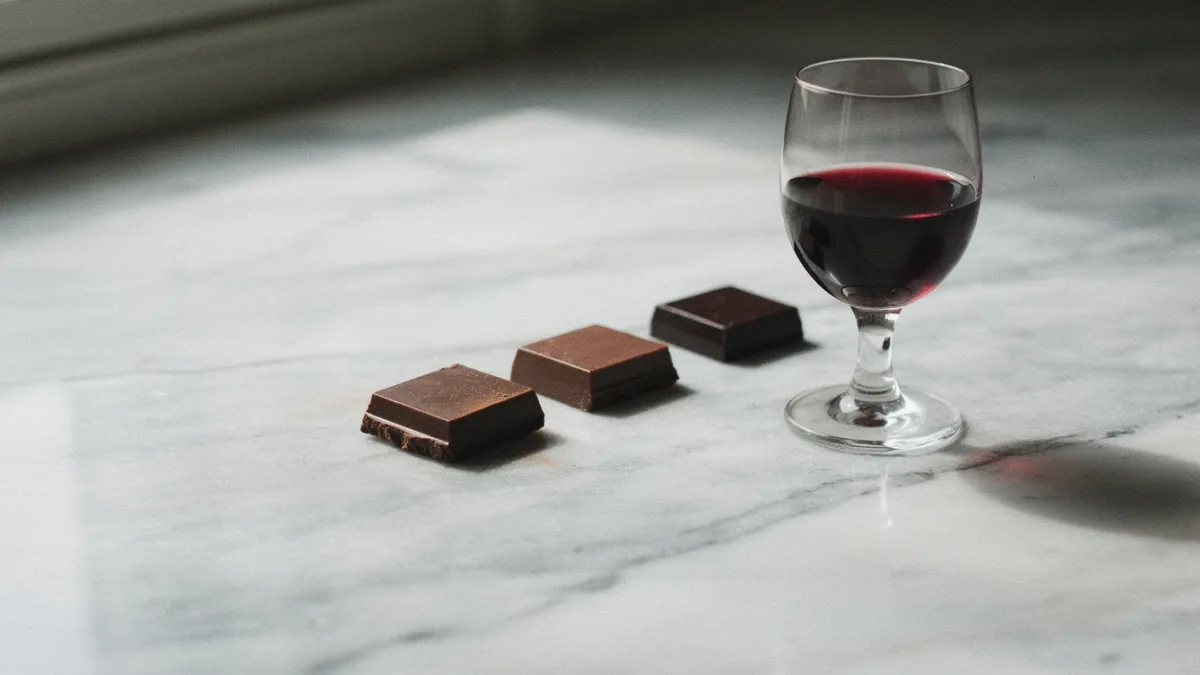
Consider the whole chocolate
Milk chocolate, dark chocolate, and a fruit-filled praline leave very different impressions. So different wines come into play too. With a sweet praline, I'd first compare it against a clearly sweet wine. With dark chocolate, I pay close attention to the bitterness both sides bring. The easiest approach is to taste the bar on its own first. Does it come across mainly sweet, bitter, or fruity? That answer helps you more than the varietal name.
The percentage on the packaging tells you how much cocoa mass and cocoa butter are in the bar. It says nothing about the roast. Nor does it say how finely the mass is ground or how clearly the residual sweetness comes through. Two bars with the same percentage can therefore taste completely different. You often only notice this once a wine joins in.
With milk chocolate, a film of fat coats the tongue. It buffers harshness and lets the sweetness linger. Dark chocolate barely has this buffer, but brings its own bitter notes instead. When its bitterness meets a wine's tannins, the two often add up. Tannins are the compounds that make the mouth feel dry and furry. That's where the rough impression in many combinations comes from.
Keeping the comparison clear
Take just one type of chocolate and one wine. First let a piece of chocolate melt on your tongue. Then take a small sip. Notice whether the sweetness and fruit still feel pleasant together. If both together seem too bitter, that's a useful result too.
Fruit fillings, salt, or chili deserve their own notes. 'Good with dessert wine' will help you less later than 'good with mild chocolate, no filling.' You don't need a huge selection of bottles for this. And if you prefer coffee alongside it, that's just as valid an answer.
A few small details make the comparison more reliable. Take small pieces, since a whole row of chocolate numbs the tongue for anything that follows. Drink some water between rounds and wait briefly until the fat has cleared from your tongue. Also taste the wine on its own once before the chocolate joins in. Otherwise, you won't know by the end which impression came from where.
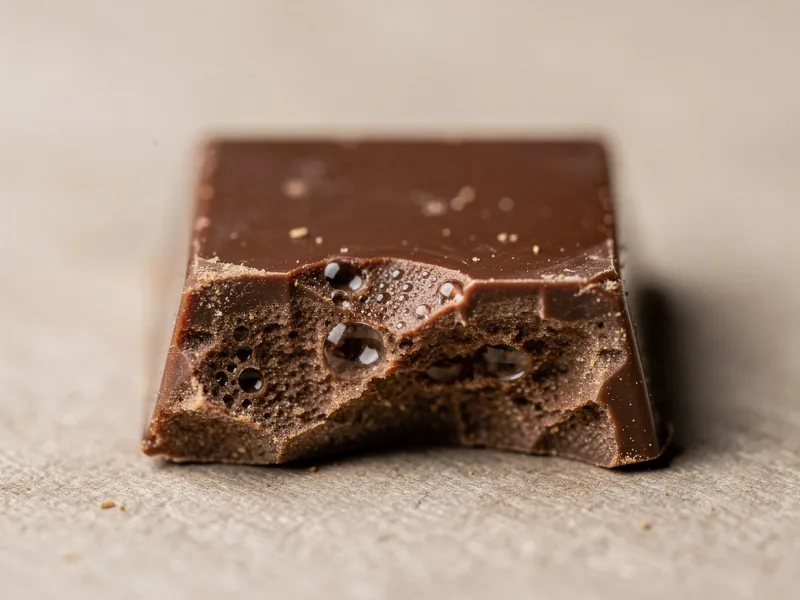
Which wine pairs with which chocolate preparation?
All three lines point to the same spots where a combination can go wrong: bitterness, sweetness, and richness. A starting point for your own experiment, not a rulebook. The wine's color appears in none of the lines, because it tells you little here.
| On the plate | Suggestion to try | What matters here |
|---|---|---|
| Dark and bitter | Check bitterness and wine tannin together | A high cocoa percentage isn't a finished pairing on its own. |
| Milky and sweet | A companion that feels sufficiently sweet | Don't choose based on red versus white wine alone. |
| With fruit or nut filling | Treat the filling as its own flavor | Taste a complete piece rather than just the shell. |
Why cocoa percentage alone isn't enough
The most persistent idea is this: dark chocolate needs a bold red wine. But bold usually also means tannic, and that's exactly where the combination often falls apart. Another common belief is that a sweet wine goes with anything sweet. It does, as long as it at least matches the chocolate's sweetness. If it falls short, it suddenly tastes sour and thin on the second sip.
The second misconception concerns the filling. A praline is usually judged by its shell, but the center is what really counts. A tart fruit filling, a salty note, or chili shifts the whole impression. The chocolate around it changes little. So always make a note of what was inside the praline. Next time you shop, you'll reach for the shelf more purposefully.
When it just doesn't work
Not every chocolate finds a matching wine. That's not a failure. If the impression stays bitter or metallic after several tries, jot that down briefly and set the bar aside. Try it another time with something else: coffee, tea, or a glass of water sometimes brings out a chocolate's best side. An honest note about a failed pairing is worth more next time you shop than a forced recommendation.