The short answer
With raclette, I'd start with a fresh white wine that still feels lively next to the melted cheese. But the other ingredients and dips can change the choice.
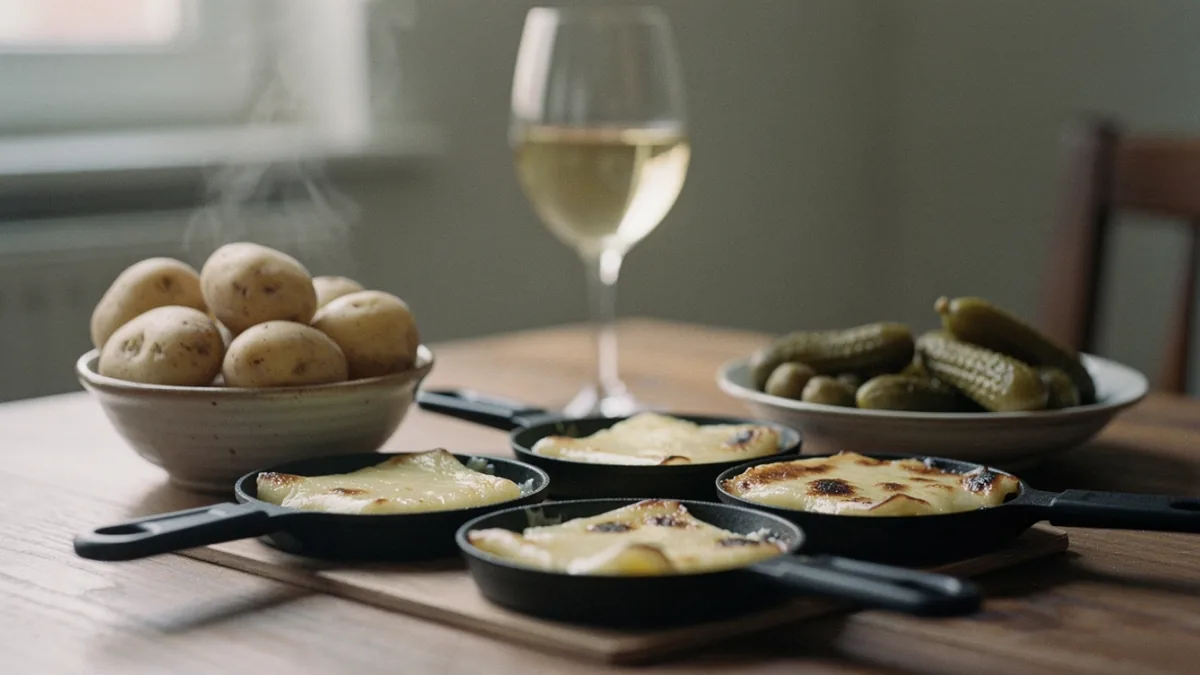
What ends up in the little pan
Potatoes and mild cheese make for a different plate than bacon, spicy peppers, and a sweetish dip. So don't choose based on the dish's name alone. As an idea to try, a Pinot Blanc or a fresh Riesling both work well. Sweetness and body should match your preferences.
Riesling isn't automatically sweet, and Pinot Blanc isn't automatically light. The grape variety profiles help with direction. The bottle description helps with the actual choice.
Melted cheese is fatty and salty, and both linger on the palate for a long time. A wine with noticeable freshness feels like a sip of water in between. It clears the mouth before the next little pan is ready. Without that freshness, the second plate often tastes heavier than the first, and the bottle soon just sits there unused.
The plate also changes with every round. First potato with cheese, then bacon, then something pickled from the jar. A single wine can't accompany all of that equally well. Go with whatever lands in your pan most often, and accept some smaller mismatches along the way.
Choose together rather than trying to solve everything perfectly
Ask the group whether a fresh white wine is actually wanted. Those who prefer red wine should try a lightly tannic style. A still water or a suitable non-alcoholic alternative needs no justification.
Don't set the bottle right next to the hot raclette grill. Note down a successful pairing along with the key ingredients in the little pan. Otherwise, the same wine might suddenly convince less the next time it's paired with completely different sides. Remembering the whole plate helps more than a blanket 'goes with raclette.'
Two open bottles in small pours usually work better on an evening like this than one big decision for everyone. Don't pour to the brim. The table is warm, the grill is heating up, and a half-full glass empties faster than it goes lukewarm. The bottles themselves are better kept in the kitchen or in a cooler.
A single sentence on your phone is enough for the note. Which wine, which cheese, what else was in the little pan, and whether it worked. After three or four evenings, you'll spot a pattern. It tells you more than any general recommendation for raclette.
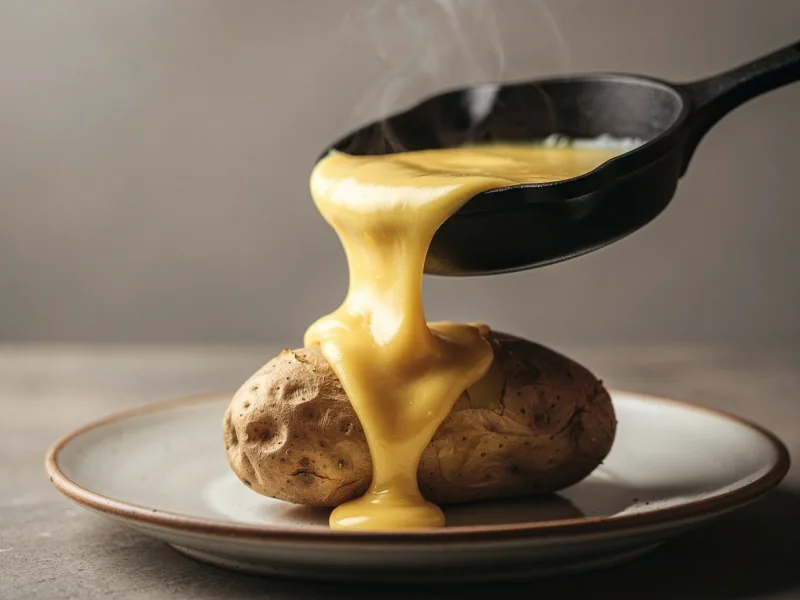
Which Wine Goes with Which Raclette Preparation?
Three typical plates, each paired with a wine style to try and the characteristic to look for in the bottle. That characteristic is the part that holds up, since it works with a different grape variety too.
Don't read these lines as a fixed pairing. If your merchant doesn't have the style mentioned in stock, take the characteristic with you to the shelf and search for that instead. This will usually get you closer to your goal than rigidly reaching for a grape variety name.
| On the Plate | Suggestion to Try | What Matters Here |
|---|---|---|
| Cheese and Potatoes | Fresh white wine | Try it with the melted cheese rather than just on its own. |
| Mushrooms and Roasted Notes | A slightly fuller-bodied wine | Consider the complete bite from the little pan. |
| Spicy Dips or Sweet Elements | Compare these extras separately | A balanced base selection is more practical than one bottle per ingredient. |
What's Usually Too Heavy for Raclette
Many consider cheese and red wine a settled pairing. With raclette, that's less of a given. Here, there's no aged cheese in small pieces on a board—instead, one warm, fatty portion follows the next. Anyone who still wants red wine is better off with a lightly tannic style, since bold tannins next to all that fat quickly turn harsh.
The second misconception: that there's one single wine that goes with raclette. The food is too varied for that. Bacon, peppers, and sweetish dips each pull in a different direction, and no one at the table fills their little pan the same way as their neighbor. A workable shared direction is more realistic than a perfect solution.
Open Two Wines at Your Next Raclette
For your own comparison, set two glasses side by side—say, a Pinot Blanc and a fresh Riesling. Try both with the same little pan. Not right at the start of the evening when everyone's still hungry, but during the second or third round. The difference shows up less in the first sip than in what lingers after you swallow.
Then swap the ingredients and keep the glasses as they are. The same wine with potato and mild cheese, followed by bacon with peppers, often produces two very different impressions. That's exactly the observation to carry into your next purchase, rather than relying on the name on the label.