The short answer
A bold red wine can pair well with steak. But how bold it should be also depends on the sear, the sauce, and your own preference for tannins.
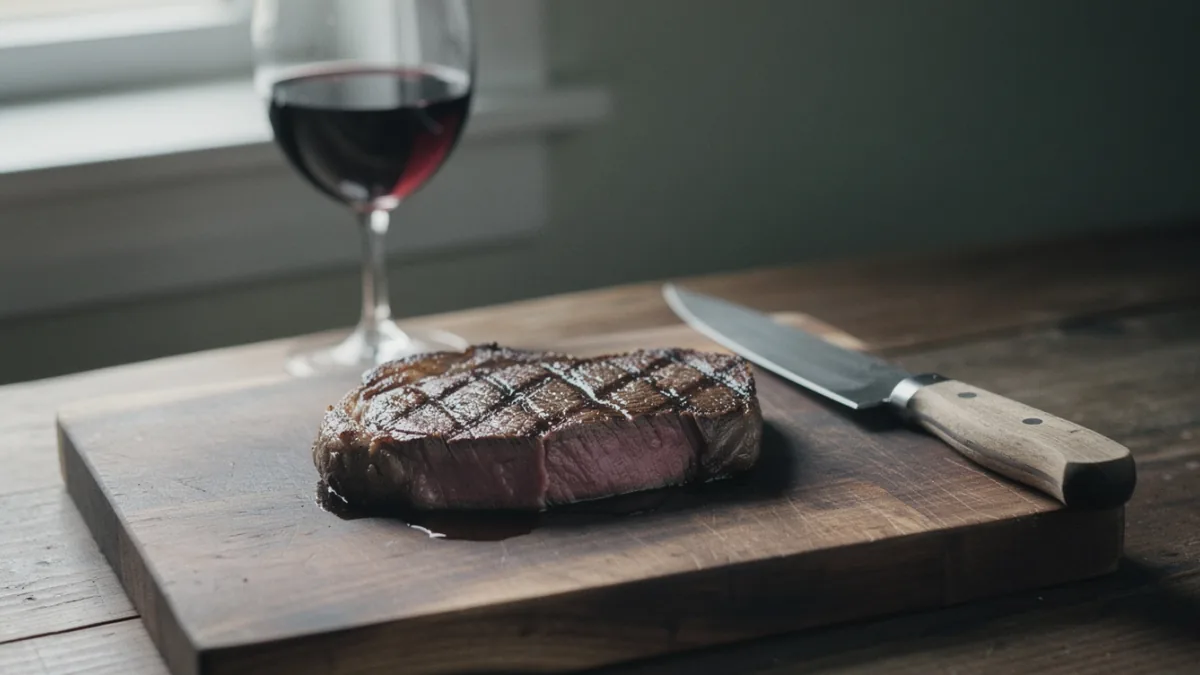
Don't just name the meat
For a simply seasoned steak, your best bet is a red wine you'd also enjoy on its own. Cabernet Sauvignon is one possible direction if you like pronounced tannins. An approachable Pinot Noir can be more interesting if bold wines quickly feel too rough to you.
These are taste suggestions. The grape variety profiles explain possible stylistic differences. They don't promise that every bottle of the same name will taste the same.
You notice tannins less on the tongue than on the gums and inside of the cheeks. They leave a dry, slightly furry feeling that lingers after the sip. Some people like exactly that, because it clears the mouth again after a fatty bite. Others find it rough. Only you know this preference yourself, and it matters more than the question of whether beef or veal is on the plate.
If you're unsure, run a test at the table. First a small sip of wine alone, then a bite of meat, then another sip. The real information lies between the two sips. If the wine becomes softer and rounder, the pairing is working for you. If it comes across as sharper or metallic afterward, the direction chosen was probably too bold.
Pepper, herb butter, or a sweet sauce?
A sweetish barbecue sauce is a different matter from herb butter. So when shopping, mention the whole plate. Anyone who just says 'for beef' might end up with a very bold wine, even though a lighter companion was what they were after.
Don't place the red wine next to the hot stove. If it comes across as warm and alcoholic, a bit of chilling makes the comparison more meaningful. And if you don't like the result, that's not down to a lack of wine knowledge. Maybe a different style simply suits your evening better.
The sear on the crust matters too. A steak seared dark and hard brings noticeably more roasted notes than one that's only briefly colored. Coarsely ground pepper pulls in the same direction and makes a tannic wine seem even edgier. Herb butter, on the other hand, adds fat to the plate, and fat takes some of the harshness out of tannins.
Sweetness is the point where things most often go wrong. A sweetish barbecue sauce makes a dry red wine taste harsher and more acid-driven than it is on its own. So tell the shop that there'll be sauce, and which kind. Also mention whether you like bold tannins or tend to avoid them. Then the recommendation will suit your evening.
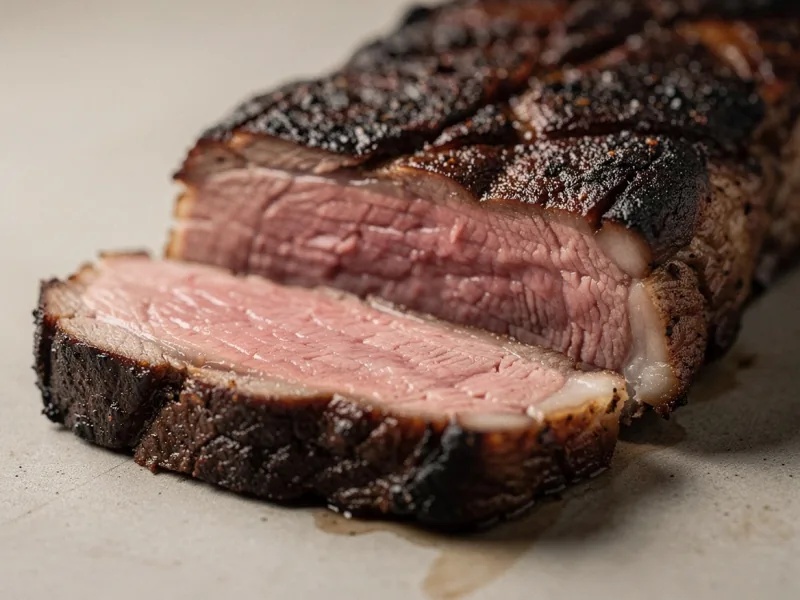
Which wine for which preparation of steak?
Three variations on the plate, each paired with a wine direction and the reasoning behind it. The reasoning is the most useful part, since it can be applied to your own side dishes. Crust, butter, and sauce are three separate questions, even if they come together on the same evening.
| On the plate | Suggestion to try | What matters here |
|---|---|---|
| Bold crust | Structured red wine, if you like tannin | Tannin is a preference, not an obligation with meat. |
| Herb butter | Less dominant seasoning as a starting point | Butter and herbs can matter more than the type of meat. |
| Sweet or spicy sauce | Adjust sweetness and heat separately | Don't choose based on maximum boldness alone. |
Why not every red wine suits a steak
The best-known rule of thumb says red meat needs a big red wine. As a starting point, that's usable. As a rule, it often leads you astray, because sauce and seasoning are left out entirely. A steak with herb butter and a steak in a sweetish sauce are two different dishes as far as the wine is concerned, even if the meat comes from the same pack.
A second misconception: if the pairing doesn't work, the wine must have been too weak. Often it was simply too bold or too warm. And a grape variety alone doesn't tell you how a bottle will taste. Cabernet Sauvignon and Pinot Noir describe tendencies. Within those tendencies there are approachable wines and very demanding ones.
Testing two red wines with steak
You'll learn the most by putting two bottles side by side. A tannin-forward one and a more approachable one differ clearly enough in style. Two small glasses per person are enough. Cook the steak as usual and serve the sauce or butter separately. Then try both wines once with the plain meat and once with the sauce.
Afterward, jot down just one sentence per wine, for example whether it became softer or harder after the bite. After two or three such evenings, you'll know better than any chart which style suits you with cooked meat. Watch the temperature as you do this. If the bottle sits next to the stove, the heat will skew the comparison.