The short answer
A mushroom dish with cream and a boldly pan-seared mushroom plate taste quite different. Choose your pairing accordingly, based on the sauce and preparation.
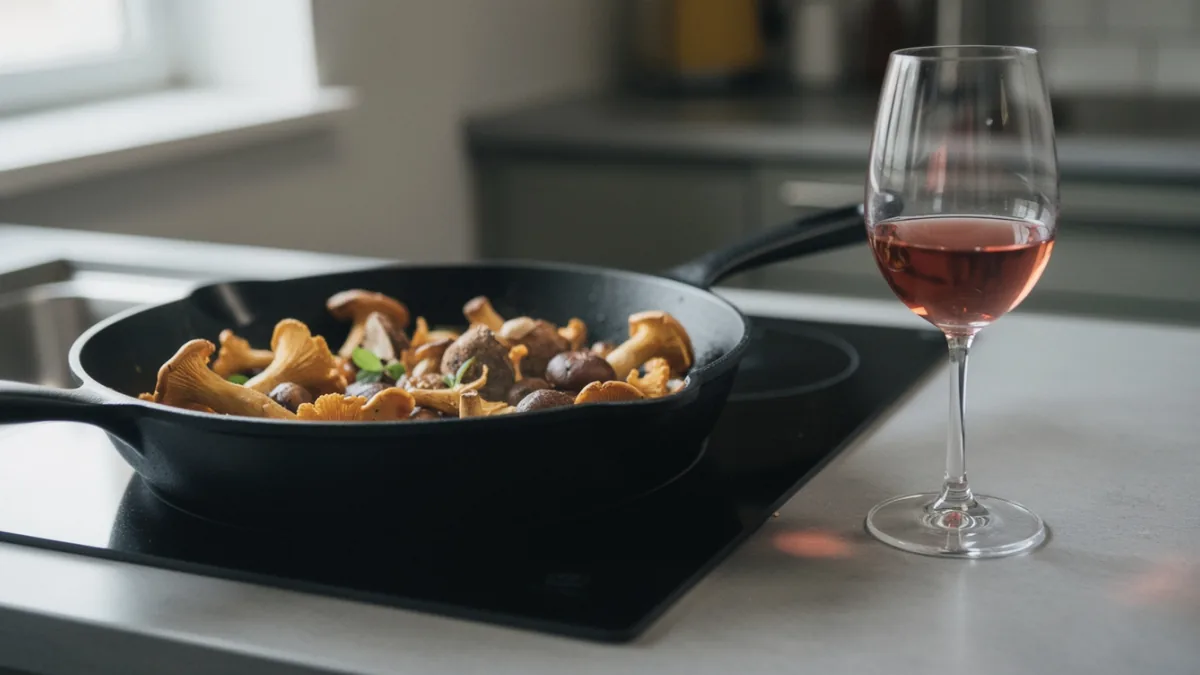
Creamy or Roasted?
With a mild mushroom cream sauce, Pinot Blanc would be my first attempt. If butter, cheese, and cream add a lot of richness, a correspondingly full-bodied Chardonnay is also worth comparing. With boldly pan-seared mushrooms, an approachable Pinot Noir could be interesting.
The profiles of these varieties only offer a rough direction. Oak, age, and origin influence the individual bottle. So when shopping, mention whether you're after a subtle or a distinctly bolder companion.
The difference lies less in the mushroom itself than in the heat and the fat. Cream and butter lay softly over the palate. Alongside that, the wine needs enough body not to disappear. Searing at high heat, on the other hand, creates dark, roasted notes. An approachable Pinot Noir picks those up more readily than a lean white wine.
When buying, pay attention to notes on body and oak. A Chardonnay without oak influence tastes different next to a cream sauce than one that's been aged in barrel. In the shop, describing the dish helps more than the variety name. Cream, cheese, seared, or boiled—these are the details that let someone actually help you.
Not Every Mushroom Deserves the Same Treatment
A risotto with mild button mushrooms and an intensely seasoned wild mushroom platter are not interchangeable dishes. Try the pairing with all the ingredients, especially the cheese and herbs.
If a wine suddenly tastes bitter or rough alongside the food, you don't need to talk yourself into liking it. Next time, try a style with less pronounced tannin. Just jot down your observation: 'Good with the cream sauce, too light for the pan-fried dish' is a precise and useful tasting note.
Herbs often shift the pairing more than the type of mushroom itself. Parsley and chives stay understated. Bold spices and plenty of pepper push the wine toward more body. Cheese also plays a role: the saltier and more mature it is, the bolder the accompanying wine can be. So don't just taste the mushroom on its own — taste a spoonful of the finished dish.
Bitterness or a rough impression in the mouth is a useful signal, not a verdict on the bottle. The same wine can shine on its own and seem edgy next to the food. In such cases, briefly note what was on the plate. Next time you go shopping, you'll have a basis that tells you more than any generic recommendation.
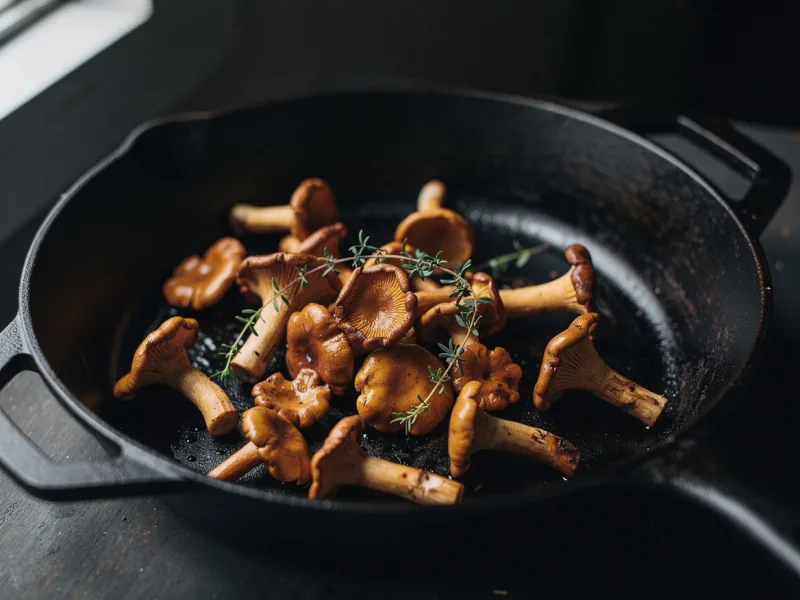
Which wine goes with which mushroom preparation?
Three typical mushroom dishes by preparation method, along with a wine style to try for each and the key point to focus on in the pairing. These entries are starting points for your own comparison, not fixed rules. Fat content and roasted aromas remain the two main factors to keep in mind.
| On the plate | Suggestion to try | What matters here |
|---|---|---|
| Mushrooms in cream sauce | A slightly fuller-bodied white wine | The creamy sauce calls for more than just a matching aroma. |
| Pan-seared until browned | A restrained red wine or a bolder white wine | Balance the roasted notes with the wine's intensity. |
| Delicately seasoned | A more subtle companion | Don't automatically pick a heavy wine just because the word 'mushroom' is on the menu. |
Mushrooms aren't automatically a red wine matter
Mushrooms call for red wine because they taste earthy — that's too simplistic. What matters is how much fat and roasted flavor the dish contains. A mild cream sauce has little more in common with a pan-fried wild mushroom platter than the main ingredient.
A second misconception concerns intensity. Many people automatically reach for a tannic red wine with hearty food. But pronounced tannins can taste rough right next to mushrooms. An approachable Pinot Noir brings fruit and structure without drying out the palate.
Mushrooms in cream and mushrooms from the pan
For a meaningful comparison, all you need is two glasses and two preparations. Sear part of the mushrooms firmly in the pan. Let the other part simmer in cream. Alongside, pour a Pinot Blanc and an approachable Pinot Noir, and try each pairing in turn.
The difference stands out most clearly if you pause briefly between bites and then return to the wine. Whatever stays fresh and clear afterward is a good match. Whatever turns flat or rough is not. This round takes just a few minutes and tells you more about your own taste than any list ever could.