The short answer
A delicately steamed fish and a richly fried fillet are two different tasks. Go by preparation, sauce, and your own taste, not just the type of fish.
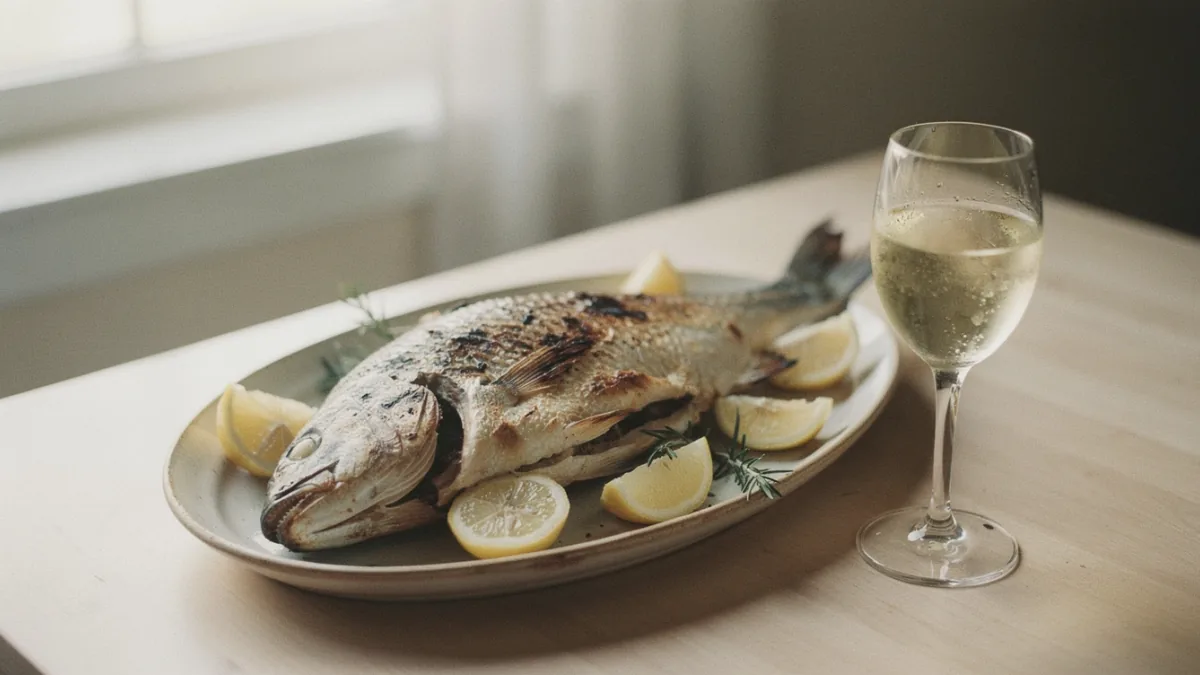
From delicate fillet to bold crust
For gentle preparations, it's best to start with a lighter white wine. A buttery sauce can handle a bit more fullness, meaning more weight on the palate. With bold roasted flavors, it's also worth trying a restrained red wine with low tannin. Preparation and sauce guide the choice more than the color of the wine.
The background is quickly explained. Steamed fish releases little flavor of its own, and a bold wine simply overwhelms it. As soon as butter, cream, or a crust enter the picture, the dish itself becomes richer and can handle more substance in the glass. So you're not matching colors, you're matching weights. What tastes heavier needs more counterweight in the glass.
With red wine, it's worth mentioning tannins. This refers to the dry, slightly fuzzy sensation that lingers in the mouth after a sip. Next to delicate fish, it often comes across as harsh or slightly metallic. A red wine with low tannin and cool fruit, however, remains a serious option once the fish is fried and carries roasted notes. Try placing it next to a white wine, and you'll taste the difference right away.
Try the lemon and sides together
Squeeze the lemon over the fish before comparing wines. Capers, herbs, or a sweet glaze are also part of the actual flavor. A wine that works with the plain fillet can taste completely different alongside this seasoning.
When shopping, a concrete sentence helps: 'Fried fish with butter and lemon, I'm looking for something fresh without much oak.' If you prefer red wine, just add that. You don't need to recite a list of grape varieties. An unfamiliar bottle name is no substitute for describing your meal.
When tasting, a fixed order helps: first a bite of fish, then a sip of wine, then fish again. This shows you whether the wine falls flat afterward or holds its own. The sauce especially shifts things a lot. A bit of acidity in the dish makes the wine seem milder. A sweet glaze, on the other hand, can make it taste harsh and dry.
In the store, describing the food matters more than naming the grape variety. Mention the preparation, the sauce, and the most prominent seasoning. Add your preference too: light or full-bodied, with or without oak notes. The more precisely you describe the dish, the more useful the suggestion will be. And if you're recommended a bottle, just ask why that particular one.
Which Wine Suits Which Fish Preparation?
Three typical scenarios from the plate, each paired with a wine style and the key point to focus on: This last point is the real takeaway. With it, you can apply the pattern to your own dishes, even ones not listed here.
Think of these lines as starting points, not rules. If your dish falls between two lines, say steamed fish with a bold sauce, go with whatever tastes strongest. Usually that's the sauce, not the fish.
| On the plate | Suggestion to try | What matters |
|---|---|---|
| Steamed, delicately seasoned | Subtle, fresh white wine | Don't overpower delicate fish with a very bold wine. |
| Fried with a crust | A bit more fullness or a restrained red wine | Assess the crust and sauce together. |
| With lemon sauce | A matching, fresh wine | Compare the dish's acidity with a sip first. |
Fish doesn't automatically mean white wine
The best-known rule is: white wine with fish. It's often true, but it explains nothing. What matters is how heavy the finished dish tastes. A poached fillet and a hard-seared piece with a crust are worlds apart. If you only pay attention to color, you end up pairing two very different plates with the same wine.
A second misconception: the more expensive the wine, the better it pairs. Price says nothing about the weight in the glass. A rich, oak-driven white wine can overwhelm a delicate fillet just as much as a bold red wine. And third, red wine with fish isn't forbidden. It just needs low tannin and a dish with enough strength to match.
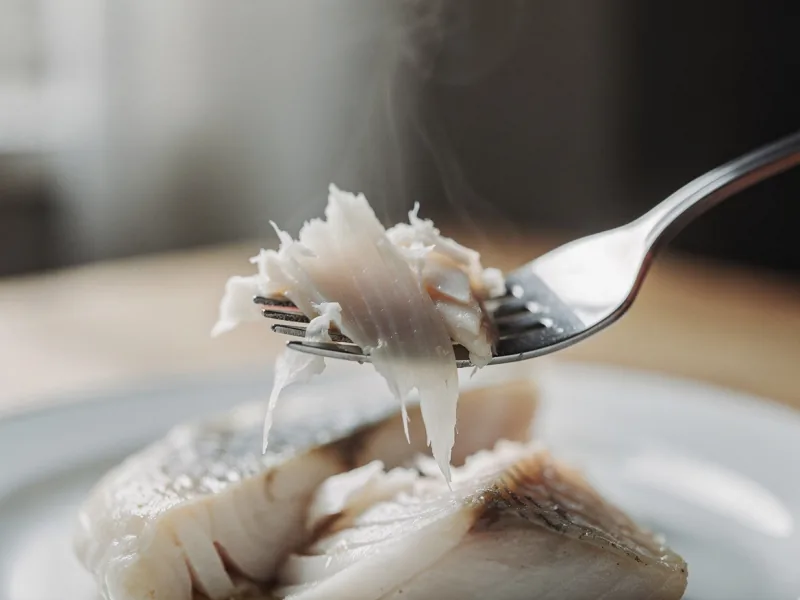
Comparing steamed and fried fish
The fastest way to build your own experience is a side-by-side comparison on the same evening. Set two glasses next to each other, one light and one fuller-bodied wine, and eat the same dish with both. After three or four alternating bites and sips, you'll know which one holds up and which one falls flat. Your own taste plays a role here too, which makes the result more meaningful than any recommendation.
Afterward, jot down two sentences: what was on the plate, including sauce and seasoning, and which wine worked better. After a few rounds, you'll recognize your own pattern, for instance that you need more acidity with butter. These notes help more at your next wine purchase than any list of grape varieties.