The short answer
Take your cue from the sauce. The pasta itself says almost nothing about how bold, fresh, or creamy a dish tastes.
Three sauces, three experiments
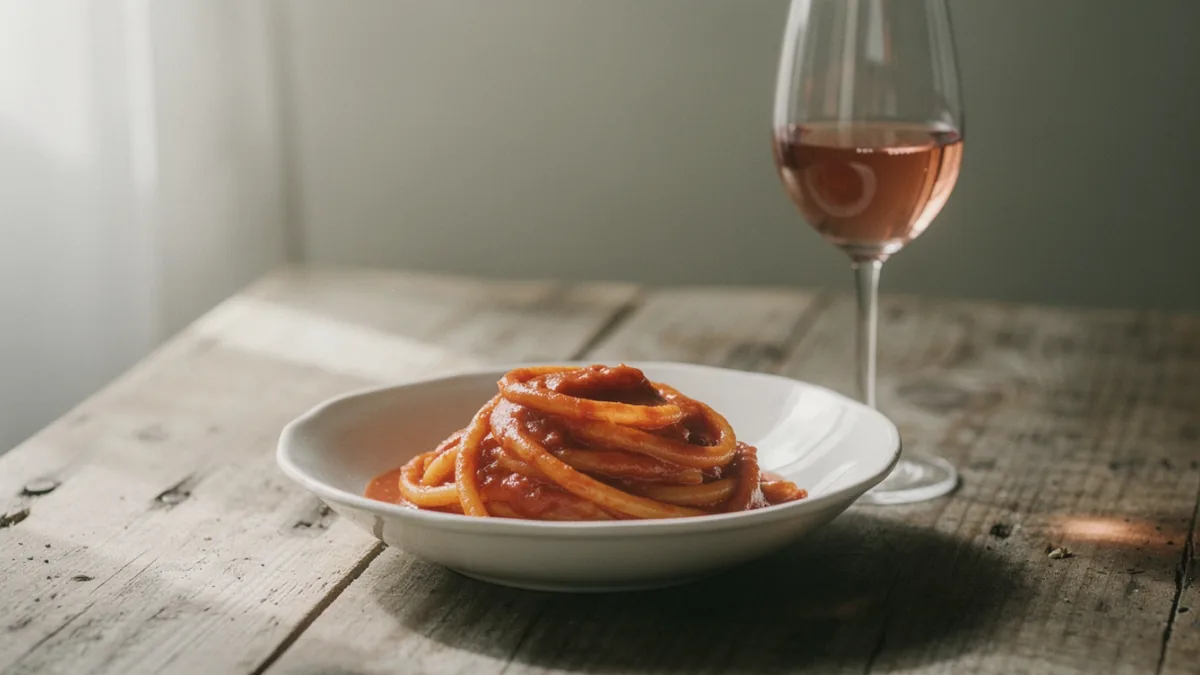
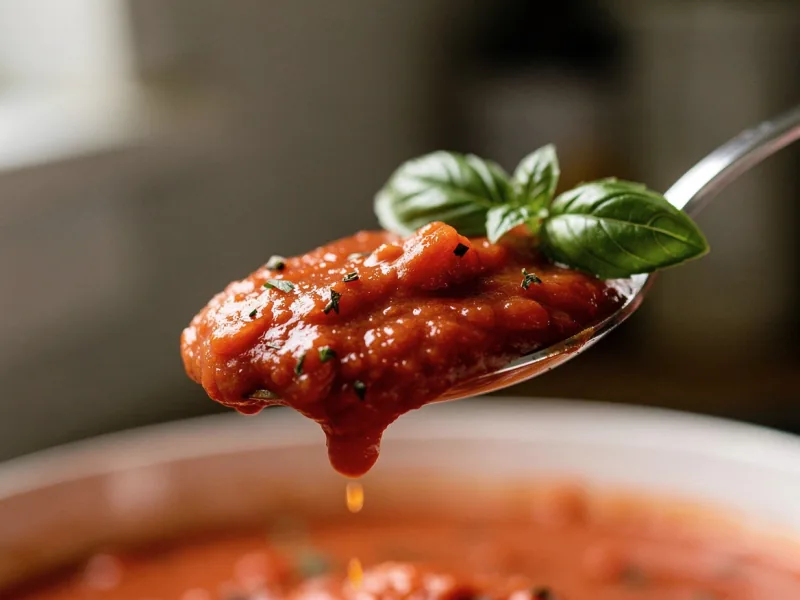
With tomato sauce, I'd try a fresh, not-too-heavy red. With a mild cream sauce, Pinot Blanc could be a good fit. With herb pesto, it's worth comparing a fresh white wine without noticeable oak. These are starting points for your own taste, not binding pairings.
The cheese changes the plate too. So try the pairing with the amount of Parmesan you'd actually add. A single spoonful of sauce alone doesn't tell the whole story.
The reason for this order is right there on the plate. Pasta itself tastes mild and mainly contributes texture. Everything you notice clearly comes from the sauce: the acidity of the tomato, the richness of the cream sauce, the herbaceous character of the pesto. So when shopping, think about the pot, not the pasta box.
For your own comparison, set two glasses side by side. Take a bite of pasta, take a sip, then take another bite. It's this second bite that reveals whether the wine makes the sauce flatter or livelier. Plenty of wines that taste great on their own suddenly turn bitter next to tomato, or simply too thin next to cream.
Treating heat and richness separately
An arrabbiata is more than just a bolder tomato sauce—chili adds heat on top. A high-alcohol red isn't the right way to match that intensity. If it's noticeably spicy, try something lower in alcohol or a non-alcoholic option.
At a restaurant, for an unfamiliar pairing, order a glass rather than committing to a whole bottle. Describe the sauce and your preference to the server. 'Not too tannic' is more precise phrasing: low tannin, low bitterness, or a touch of sweetness. Tannins are the dry, furry sensation that lingers in the mouth after a sip.
Heat isn't a flavor—it's an irritation. On an irritated tongue, alcohol feels like added warmth. High alcohol content therefore tends to amplify chili rather than balance it. Reaching for the heaviest red is often the wrong move with arrabbiata. Serving it a little cooler helps, since chill temporarily dulls the burning sensation.
At the restaurant, describe the sauce first and then ask for a recommendation. Mention whether it's spicy and how much cheese you'll be adding. Both change the plate far more than the pasta shape does. And if the first glass tells you the direction is wrong, you're still free to choose differently with the second.
Which Wine for Which Pasta Preparation?
The main takeaway from this overview is this: it's not the name of the wine that matters, but the characteristic behind it. Tomato acidity, creamy richness, and heat are three completely different challenges. Once you understand that distinction, you'll be able to place sauces that aren't even covered here.
The wine suggestions are interchangeable; the characteristics are not. If you're looking for a white to pair with pesto, focus on freshness and make sure there's no noticeable oak getting in the way. Whether the bottle comes from Italy, Germany, or Austria is secondary. That way, the overview applies just as well to whatever happens to be on the shelf.
| On the plate | Suggestion to try | What matters |
|---|---|---|
| Tomato sauce | Fresh, fruit-forward wine | Try the tomato acidity and the tannins together. |
| Cream or cheese sauce | A slightly fuller white wine | The wine should still be noticeable next to the creamy sauce. |
| Chili and garlic | Low tannin, restrained alcohol warmth | Don't answer heat with an even bolder bottle. |
It's not the pasta that decides—it's the sauce
The best-known rule of thumb is red with meat, white with fish. With pasta, it often gets applied to the noodle itself: spaghetti is Italian, so it must be red wine in the glass. With a cream sauce, that logic quickly leads you astray. What counts is the sauce, and with the same pasta shape, it can range from delicate to bold.
The second misconception: bold food needs a bold wine. With spice and richness, that often holds true; with heat, it backfires. A third point often gets overlooked. Parmesan brings salt and intensity. A wine that worked well with the plain sauce can suddenly taste harsh or bitter once plenty of cheese is added.
How to tell it's working
You'll know a pairing works when, after the sip, both elements are still there. The sauce still tastes like sauce, the wine still tastes like wine. Neither pushes the other out. If a furry or metallic sensation lingers in the mouth, there was usually too much tannin at play. If the wine tastes watery instead, the sauce has overwhelmed it.
After the meal, jot down in one sentence what worked and what didn't. After a few rounds, you'll start to see your own pattern emerge. It describes your taste more precisely than any recommendation list, and you'll shop faster next time.