The short answer
Weißburgunder, Pinot Blanc, and Pinot Bianco are three names for the same white grape variety. Its wines tend to have a fairly restrained aroma. That's exactly what makes them interesting alongside many dishes.
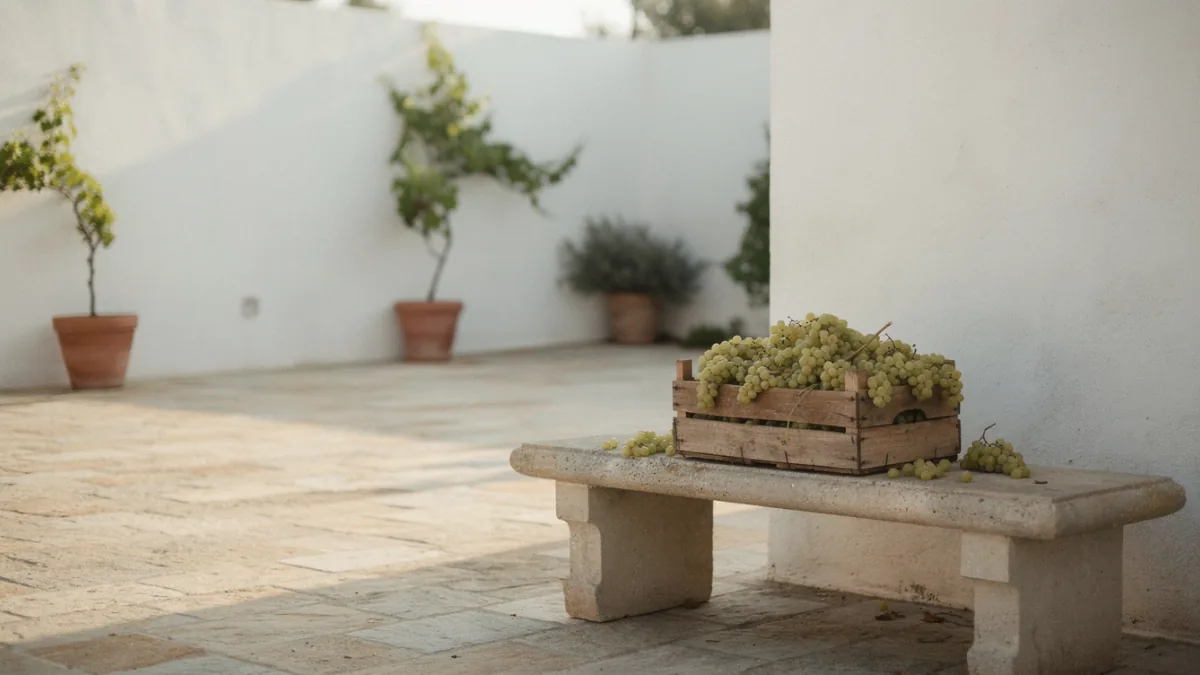
Restrained doesn't mean boring
Apple, pear, and faintly nutty notes are among the possible impressions. There are both light and richer wines made from this variety. Some age in oak. So Pinot Blanc isn't automatically a particularly light wine.
The variety belongs to the Pinot family. That refers to the relationship between the vines, not their origin. A bottle of Pinot Blanc doesn't have to come from the French region of Burgundy.
Restrained here means: the wine doesn't push itself forward on the nose. Anyone expecting loud fruit in the glass may quickly dismiss it as flavorless and set it aside after two sips. Give it a bit more time than usual. This variety often reveals its character mainly in the mouth. Pay attention to the feel on the tongue, the freshness, and how long the impression lingers after swallowing.
There's a wide range between light and full-bodied Pinot Blancs. That's why two bottles with the same grape name can taste very different. A wine aged in oak usually feels rounder and broader. A lean example tastes crisp and streamlined. So ask in the shop about the style, not just the grape variety.
What food goes well with Pinot Blanc?
In a larger group, rarely does everyone like the same wines. A restrained Pinot Blanc is often a good starting point. When choosing, mention the dish. Also say that you're looking for a dry, understated style.
Don't expect a long list of fruit flavors in the glass. Instead, pay attention to how it relates to the food. Does the dish still come through clearly? Does the wine feel pleasantly fresh? Or does the pairing feel too heavy to you? An unobtrusive companion can be exactly what makes the evening enjoyable.
Precisely because the wine holds back, it also copes well with rich dishes. At the table, what matters is rarely what pairs well in theory. What matters is what actually works. Can you still taste the food, or does the wine overpower it? And conversely: is there still something left of the wine once the dish is heavily seasoned?
One practical point is easily overlooked: temperature. Served very cold, a restrained wine closes up even further. Let it sit in the glass for a few minutes. Often more fullness emerges, and the interplay with the food changes noticeably. Feel free to try the same glass twice: once right after pouring, and once a little later.
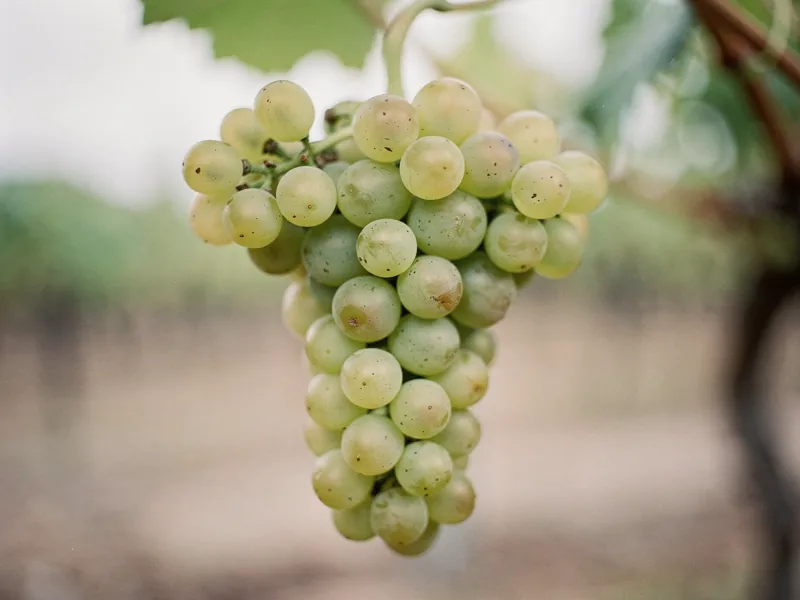
How to find a Pinot Blanc you'll actually enjoy
Four steps take you from the occasion to a specific question in the shop. They help bring order to your choice if the shelf feels overwhelming.
| Step | Specific question or action |
|---|---|
| In conversation | Understated and light, or richer? |
| On the label | Weißburgunder, Pinot Blanc, and Pinot Bianco denote the same variety. |
| When tasting | Does the wine still hold its own alongside the sauce? |
| Your comparison | Do a small tasting with the actual dish rather than comparing the wines alone. |
Pinot Blanc is not Pinot Gris
The first misunderstanding is already built into the name. Pinot family describes the relationship between the grape varieties, not the place of origin. A bottle labeled Weißburgunder can come from anywhere. Anyone looking to the grape name for a clue about origin is looking in the wrong place. The origin is listed separately on the label.
The second concerns fullness. Being restrained on the nose and being light-bodied are two different things. A Pinot Blanc can smell subtle and still taste fairly rich. This happens often with oak-aged versions. Anyone judging solely by aroma underestimates such wines and pairs them with dishes that are too delicate for them.
Putting Pinot Blanc next to Chardonnay
Place two bottles side by side that are made as differently as possible: a lean one and a richer one, ideally one aged in oak. Pour both at the same time. Smell both before tasting either. In direct comparison, the difference almost always stands out more clearly than it would with a single bottle on its own some evening.
Then add a dish, whatever you like, and drink alternately. Forget the list of aromas. Two questions are enough: which of the two lets the food come through more clearly? And which one still feels pleasant after the third bite? Jot down briefly which style suited you. That helps more on your next shopping trip than any description on the back label.