The short answer
Chardonnay is a white grape variety with a very wide range. The name alone tells you nothing about the taste. A Chardonnay can be fresh and streamlined, or rich and distinctly oaky.
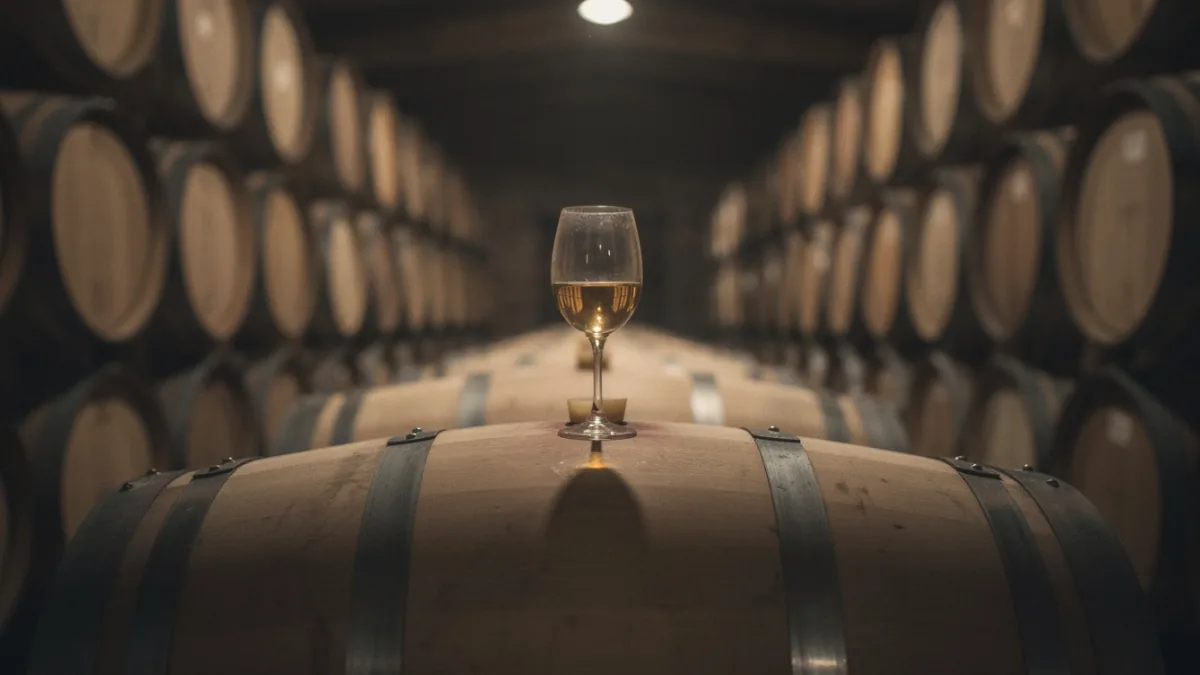
In brief · 3 min read
Fresh or creamy, oaked or unoaked: understanding Chardonnay and finding the style that suits you.
As of: <time0>{expression0}</time0>
The short answer
Chardonnay is a white grape variety with a very wide range. The name alone tells you nothing about the taste. A Chardonnay can be fresh and streamlined, or rich and distinctly oaky.
Chardonnay is aged, among other vessels, in stainless steel tanks and oak barrels. Oak imparts its own aromas to the wine. Without that influence, a different side of the fruit comes forward. Sparkling wine is also made from this variety. So where a wine is aged makes a big difference.
That's why the claim Chardonnay always tastes of oak is a common mistake. It describes a particular style, not the whole variety.
The vessel in which a wine is aged is no minor detail. Stainless steel imparts nothing to the wine. The fruit stays as it came from the vineyard. Oak brings additional aromas into the glass. So the same grape variety produces two wines that hardly seem related side by side. Yet both labels carry the same word.
Sparkling wine is the third direction this variety takes. For shopping, that means: the grape name is a starting point, not a flavor description. It tells you which grape was involved. It says nothing about everything that happened afterward in the cellar. Yet that's exactly where the impression you later get in the glass is formed.
Look on the label for details about the aging, that is, the maturation after fermentation. Or simply ask in the shop about the oak influence. If you don't like strong vanilla and toasty notes, that single detail matters more than any classification on the front label. On the other hand, a somewhat fuller style can be very appealing alongside a creamy dish. If the bottle says nothing about it, asking in the shop is the quickest route.
A small learning experiment doesn't require a trip through several countries. Whenever you get the chance, compare two Chardonnays: one explicitly unoaked, one oak-influenced. First note which one you prefer. The question of why comes afterward. Also pay attention to the mouthfeel. Aroma alone rarely decides it.
In the shop, a precise question helps more than a general one. Ask about the aging, not about the quality. That gets you an answer you can actually work with. If there's no one to ask, read the back labels. Many producers state there whether a wine was kept in steel tank or barrel.
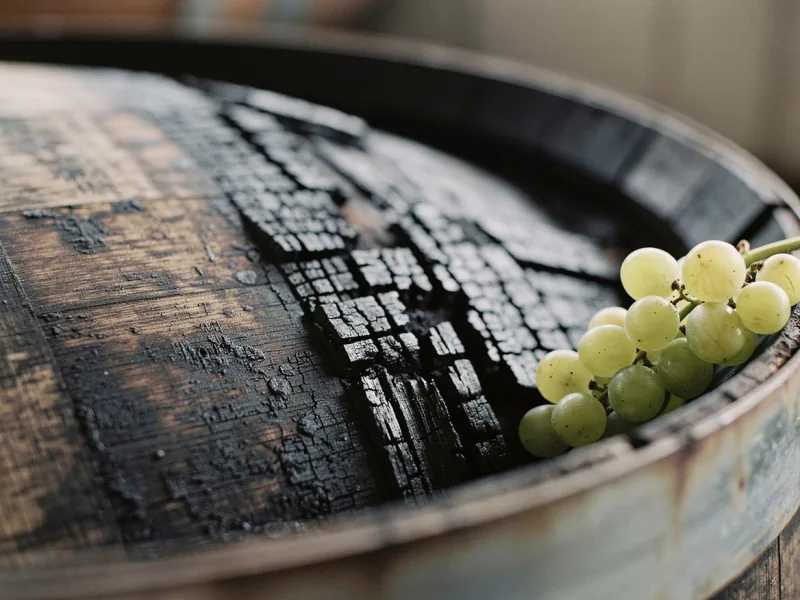
Four steps take you from a conversation in the shop to your own comparison. Neither style is better than the other. They simply suit different preferences and occasions.
| Step | Specific question or action |
|---|---|
| In conversation | With noticeable oak, or without an oaky impression? |
| On the label | The grape name doesn't reveal how the wine was aged. |
| When tasting | Do I like the freshness, or am I looking for more fullness? |
| Your comparison | Compare two Chardonnays aged in clearly different ways. |
The most persistent misconception is the equation Chardonnay equals oak. It arises easily, because oak-driven wines taste more striking and are easier to remember. Anyone who's once come across a very heavy one attributes the experience to the variety rather than the style. That way, you shut yourself off from an entire stylistic range you might actually enjoy. Try both directions deliberately before making up your mind.
Just as common is the assumption that a higher price means more fullness or more oak. Price and style aren't connected. Streamlined wines exist at every price point, and so do fuller ones. Knowing which direction suits you makes for more confident buying. Classifications and numbers alone won't get you there.
Continue from here
Riesling and Merlot are grape varieties. Bordeaux is a region. Here's how to correctly sort out the terms on wine labels.
WeiterlesenSauce, preparation, and flavor matter more than 'red with meat, white with fish.' Here's how to find the right direction.
WeiterlesenWhich wine suits you? Your practical wine guide with a taste compass, food-pairing help, shopping tips, and advice on temperature, glassware, and storage.
WeiterlesenImages generated with AI · Text AI-assisted, editorially reviewed